



-
-
AADD Moderators: Tronica
You are using an out of date browser. It may not display this or other websites correctly.
You should upgrade or use an alternative browser.
You should upgrade or use an alternative browser.
passionflower in brisbane
- Thread starter ifonly
- Start date





larrylickchops
Bluelighter
- Joined
- Jul 6, 2003
- Messages
- 160
your best bet id say would be to peruse the local sunday markets wherever they might be these days, im sure someone with a stall would be selling the likes of damiana etc. They might have passionflower there too.

katmeow
Bluelight Crew
I would presume that most healthfood stores would stock it (I've seen it in sydney stores.) It's also an ingredient in a number of natural sleep aid products so I don't think there is any restriction on sale.

yeah thyey tried to illegalise it because apparently it blocks nicotene receptors and thus would be bad for the fucked governments cigarette tax money. you can get it on the gold coast at "XXX" i hope this is allright to say because it is legal.....
pasionflower is great, so much more less of a headfuck than pot..jus my 2 cents
No, its not ok to mention a source for a product, legal or otherwise. The only exceptions are Testing kits and 5HTP. Please read the guidelines; p_d
pasionflower is great, so much more less of a headfuck than pot..jus my 2 cents
No, its not ok to mention a source for a product, legal or otherwise. The only exceptions are Testing kits and 5HTP. Please read the guidelines; p_d
Last edited by a moderator:
giantsquid
Bluelighter
- Joined
- Nov 10, 2005
- Messages
- 352
Surely you must know someone with a passionfruit vine?
Thats all passionflower is ,, the leaves from the vines. My perents in brisbane have a huge vine and everyone I know in brisbane has passion fruit vines. Just go to the local garden center
Thats all passionflower is ,, the leaves from the vines. My perents in brisbane have a huge vine and everyone I know in brisbane has passion fruit vines. Just go to the local garden center

phase_dancer
Bluelight Crew
^Not all varieties possess the same properties or active ingredients.
I'm not all that surprised to hear the product is being considered for scheduling. Different varieties contain different active ingredients and some (e.g. Caerulea, Lobatael etc) contain cyanogenic glycosides which can be hydrolysed (by beta-glucosidase also present in the plant) in the acid environment of the stomach to produce hydrogen cyanide. Mind you, apple, peach and apricot seeds also contain amygdalin (B17) which will do the same thing, although it's not typical to eat these seeds (you'd need lots of apple seeds and have to chew them. You wouldn't need many apricot seeds however. They are banned in Australia for this reason).[Edit: mmm...they are actually being sold online these days, so perhaps the law has changed in this regard. Apricot seeds are often taken as a natural cure for cancer; p_d]
Passionflower is perhaps better known for MAOi properties although from reports, these would seem to be weak at best with most varieties. It's possible though, that interactions with prescribed medications could occur and this along with the potential toxicity of some varieties may be the reason why banning some varieties is being considered.
Many of the over 500 varieties of passiflora are neither toxic nor contain psychoactive compounds. We have the foetida growing wild in this area along the coastal tracks. It's a weird looking plant; the fruit uninviting and tiny, although they taste quite good.
I'm not all that surprised to hear the product is being considered for scheduling. Different varieties contain different active ingredients and some (e.g. Caerulea, Lobatael etc) contain cyanogenic glycosides which can be hydrolysed (by beta-glucosidase also present in the plant) in the acid environment of the stomach to produce hydrogen cyanide. Mind you, apple, peach and apricot seeds also contain amygdalin (B17) which will do the same thing, although it's not typical to eat these seeds (you'd need lots of apple seeds and have to chew them. You wouldn't need many apricot seeds however. They are banned in Australia for this reason).[Edit: mmm...they are actually being sold online these days, so perhaps the law has changed in this regard. Apricot seeds are often taken as a natural cure for cancer; p_d]
Passionflower is perhaps better known for MAOi properties although from reports, these would seem to be weak at best with most varieties. It's possible though, that interactions with prescribed medications could occur and this along with the potential toxicity of some varieties may be the reason why banning some varieties is being considered.
Many of the over 500 varieties of passiflora are neither toxic nor contain psychoactive compounds. We have the foetida growing wild in this area along the coastal tracks. It's a weird looking plant; the fruit uninviting and tiny, although they taste quite good.
Last edited:
giantsquid
Bluelighter
- Joined
- Nov 10, 2005
- Messages
- 352
You are right but the normal passionfruit variety that most people grow does.
Here in New Zealand there is a vairiety called banana passion fruit and the fruits are yellow. This one doesnt contain as much as the normal one.
Although the flowers are a weaker source then the leaves, the flowers are less harsh to smoke. If dry a few flowers out and out them in a coffee grinder the powder makes a great smoke. A drop of wormwood extract or mixed with some powdered mimosa hostilus root bark and you have a very trippy smoke
Here in New Zealand there is a vairiety called banana passion fruit and the fruits are yellow. This one doesnt contain as much as the normal one.
Although the flowers are a weaker source then the leaves, the flowers are less harsh to smoke. If dry a few flowers out and out them in a coffee grinder the powder makes a great smoke. A drop of wormwood extract or mixed with some powdered mimosa hostilus root bark and you have a very trippy smoke

static_mind
Bluelighter
- Joined
- Mar 30, 2005
- Messages
- 1,379
I thought passionflower was from the water lilly....
Anyway I managed to buy some as a sleep aid. Its a head shop thing. < if thats a breach of rules just deleate it.
Anyway I managed to buy some as a sleep aid. Its a head shop thing. < if thats a breach of rules just deleate it.
phase_dancer
Bluelight Crew
Here in New Zealand there is a vairiety called banana passion fruit and the fruits are yellow. This one doesnt contain as much as the normal one.
Although the flowers are a weaker source then the leaves, the flowers are less harsh to smoke. If dry a few flowers out and out them in a coffee grinder the powder makes a great smoke. A drop of wormwood extract or mixed with some powdered mimosa hostilus root bark and you have a very trippy smoke
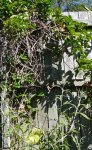
I believe it's the P. edulis f. flavicarpa (Yellow passionfuit) that grows wild on our residential property. At times it's a pest, at other times we are blessed with countless sweet fruit. Coincidentally enough, there's one growing right next to a large mugwort (wormwood) plant.
Attachments
Last edited: