Preparation & Defatting Because the target alkaloids are light-sensitive, perform all steps under minimal lighting (e.g., using a dim red LED sleep light). Grind frozen seeds using a coffee grinder for small batches, a blender for larger amounts, or a manual seed/grinding mill as a quieter alternative. Keeping the seeds frozen prior to grinding minimizes friction heat and prevents oxidative degradation. Chill the solvents in an ice-water bath. While a static non-polar defatting wash takes roughly 2 days at room temperature, a cold, active wash achieves the same result much faster: Add chilled non-polar solvent to the ground seed meal. Perform 3 separate wash cycles of 45 minutes each using fresh, near-0°C solvent for each cycle. During each cycle, alternate between vigorous agitation and brief venting, re-cooling the mixture near 0°C as needed. Decant the non-polar solvent after each wash, then allow the remaining seed powder to dry completely in a well-ventilated area until all solvent odor is gone. Acidic Extraction Polar Solvent Preparation: Dissolve 2 g of tartaric acid into 100 mL of cold distilled water. First Wash: Add just enough acidic water to completely cover the dry, defatted seed powder. Alternate between shaking and chilling near 0°C for 30 minutes. Decant and save the liquid extract. Second & Third Washes: Repeat the extraction twice more using fresh aliquots of the acidic water for 10 minutes each cycle. Combine all aqueous extracts. Completion Check: Perform a final check by soaking the seed residue in a small volume of pure cold distilled water and exposing it briefly to a UV blacklight. Minimal or no fluorescence confirms the seed matrix is exhausted. Defatting/Washing the Aqueous Extract Wash the combined aqueous extract with near-0°C ethyl acetate (using a volume equal to the water layer per wash) by stirring thoroughly with a glass rod. Stop stirring, allow phases to fully separate, and discard the upper ethyl acetate layer. Repeat this cold wash a few times to ensure remaining non-polar impurities are removed. Freebasing & Solvent Extraction Chill the acidic aqueous extract in an ice-water bath. Slowly add sodium bicarbonate (baking soda) to basify the solution and convert the alkaloids to their freebase form. Keeping the mixture near 0°C during basification prevents heat-induced and oxidative degradation. Perform 5 or more extractions using fresh volumes of chilled (near 0°C) ethyl acetate, stirring thoroughly each time. Allow phase separation after each extraction, collect the organic (ethyl acetate) layers, and combine them. Check the remaining aqueous phase with a brief UV blacklight pass to verify extraction completeness. Salt Precipitation & Storage Pass the combined ethyl acetate extract over a suitable drying agent (e.g., anhydrous magnesium sulfate or sodium sulfate) to remove trace water, then filter out the drying agent. Maintain the ethyl acetate near 0°C and slowly drip in a solution of tartaric acid dissolved in dry ethanol or isopropyl alcohol. The alkaloid tartrate salts will precipitate out of solution. Filter and collect the precipitate. Storage: Store the final product in the freezer in an airtight container. If available, flush the container with argon gas to create a dense protective blanket over the compound; dry CO2 can serve as a temporary alternative if argon is unavailable.




-
Psychedelic Drugs Welcome Guest
PD's Best Threads Index Social ThreadSupport Bluelight Psychedelic Beginner's FAQ -
PD Moderators: Esperighanto | JackARoe |
You are using an out of date browser. It may not display this or other websites correctly.
You should upgrade or use an alternative browser.
You should upgrade or use an alternative browser.
Lysergamides Morning Glory Extract Tek 1.0
- Thread starter Sansert
- Start date



Didgital
Bluelight Crew
thanks for this. At one point in my life I had about 2kg of handpicked seeds for such a project
No problem. I am a library researcher type.thanks for this. At one point in my life I had about 2kg of handpicked seeds for such a project
I was studying all the journal references of extractions. I was wondering why typically only a few seeds were being extracted, multiple extractions, shaking, etc and i realized it was because they were doing it cold. So i scoured deeper and found one of the earliest, they did it in a cold room ....
scientificMETHood
Greenlighter
- Joined
- Jun 30, 2026
- Messages
- 10
ugh Holy crap. here
Grind frozen seeds using a coffee grinder for small batches, a blender for larger amounts, or a manual seed/grinding mill as a quieter alternative. Keeping the seeds frozen prior to grinding minimizes friction heat and helps prevent oxidative degradation.
Chill the solvents in an ice-water bath. While a static non-polar defatting wash takes roughly two days at room temperature, a cold, active wash achieves the same result much faster.
Add chilled non-polar solvent to the ground seed meal. Perform three separate wash cycles of 45 minutes each, using fresh, near-0°C solvent for every cycle. During each cycle, alternate between vigorous agitation and brief venting, re-cooling the mixture to near 0°C as needed.
Decant the non-polar solvent after each wash. Then allow the remaining seed powder to dry completely in a well-ventilated area until all solvent odor is gone.
Stir thoroughly with a glass rod, then stop stirring and allow the phases to separate completely. Discard the upper ethyl acetate layer.
Repeat the cold wash several times to help ensure that remaining non-polar impurities are removed.
Slowly add sodium bicarbonate, or baking soda, to basify the solution and convert the alkaloids to their freebase form. Keeping the mixture near 0°C during basification helps prevent heat-induced and oxidative degradation.
Perform five or more extractions using fresh portions of chilled, near-0°C ethyl acetate. Stir thoroughly during each extraction.
Allow the phases to separate after each extraction. Collect the organic ethyl acetate layers and combine them.
Check the remaining aqueous phase with a brief UV blacklight pass to verify extraction completeness.
Maintain the ethyl acetate near 0°C. Slowly drip in a solution of tartaric acid dissolved in dry ethanol or isopropyl alcohol. The alkaloid tartrate salts will precipitate from the solution.
Filter and collect the precipitate.
Store the final product in the freezer in an airtight container. If available, flush the container with argon gas to create a dense protective blanket over the compound. Dry carbon dioxide can serve as a temporary alternative if argon is unavailable.
Preparation
Because the target alkaloids are light-sensitive, perform all steps under minimal lighting, such as a dim red LED sleep light.Grind frozen seeds using a coffee grinder for small batches, a blender for larger amounts, or a manual seed/grinding mill as a quieter alternative. Keeping the seeds frozen prior to grinding minimizes friction heat and helps prevent oxidative degradation.
Chill the solvents in an ice-water bath. While a static non-polar defatting wash takes roughly two days at room temperature, a cold, active wash achieves the same result much faster.
Add chilled non-polar solvent to the ground seed meal. Perform three separate wash cycles of 45 minutes each, using fresh, near-0°C solvent for every cycle. During each cycle, alternate between vigorous agitation and brief venting, re-cooling the mixture to near 0°C as needed.
Decant the non-polar solvent after each wash. Then allow the remaining seed powder to dry completely in a well-ventilated area until all solvent odor is gone.
Acidic
Polar
Dissolve 2 g of tartaric acid into 100 mL of cold distilled water.First
Add just enough acidic water to completely cover the dry, defatted seed powder. Alternate between shaking and chilling the mixture near 0°C for 30 minutes. Decant and save the liquid extract.Second
Repeat the extraction twice more, using fresh aliquots of the acidic water for 10 minutes per cycle. Combine all aqueous extracts.Completion
Perform a final check by soaking the seed residue in a small volume of pure, cold distilled water and exposing it briefly to a UV blacklight. Minimal or no fluorescence confirms that the seed matrix is exhausted.Defatting
Wash the combined aqueous extract with near-0°C ethyl acetate, using a volume equal to the water layer for each wash.Stir thoroughly with a glass rod, then stop stirring and allow the phases to separate completely. Discard the upper ethyl acetate layer.
Repeat the cold wash several times to help ensure that remaining non-polar impurities are removed.
Freebasing
Chill the acidic aqueous extract in an ice-water bath.Slowly add sodium bicarbonate, or baking soda, to basify the solution and convert the alkaloids to their freebase form. Keeping the mixture near 0°C during basification helps prevent heat-induced and oxidative degradation.
Perform five or more extractions using fresh portions of chilled, near-0°C ethyl acetate. Stir thoroughly during each extraction.
Allow the phases to separate after each extraction. Collect the organic ethyl acetate layers and combine them.
Check the remaining aqueous phase with a brief UV blacklight pass to verify extraction completeness.
Salt
Pass the combined ethyl acetate extract over a suitable drying agent, such as anhydrous magnesium sulfate or sodium sulfate, to remove trace water. Filter out the drying agent.Maintain the ethyl acetate near 0°C. Slowly drip in a solution of tartaric acid dissolved in dry ethanol or isopropyl alcohol. The alkaloid tartrate salts will precipitate from the solution.
Filter and collect the precipitate.
Store the final product in the freezer in an airtight container. If available, flush the container with argon gas to create a dense protective blanket over the compound. Dry carbon dioxide can serve as a temporary alternative if argon is unavailable.
Now you feel important.ugh Holy crap. here
Preparation
Because the target alkaloids are light-sensitive, perform all steps under minimal lighting, such as a dim red LED sleep light.
Grind frozen seeds using a coffee grinder for small batches, a blender for larger amounts, or a manual seed/grinding mill as a quieter alternative. Keeping the seeds frozen prior to grinding minimizes friction heat and helps prevent oxidative degradation.
Chill the solvents in an ice-water bath. While a static non-polar defatting wash takes roughly two days at room temperature, a cold, active wash achieves the same result much faster.
Add chilled non-polar solvent to the ground seed meal. Perform three separate wash cycles of 45 minutes each, using fresh, near-0°C solvent for every cycle. During each cycle, alternate between vigorous agitation and brief venting, re-cooling the mixture to near 0°C as needed.
Decant the non-polar solvent after each wash. Then allow the remaining seed powder to dry completely in a well-ventilated area until all solvent odor is gone.
Acidic
Polar
Dissolve 2 g of tartaric acid into 100 mL of cold distilled water.
First
Add just enough acidic water to completely cover the dry, defatted seed powder. Alternate between shaking and chilling the mixture near 0°C for 30 minutes. Decant and save the liquid extract.
Second
Repeat the extraction twice more, using fresh aliquots of the acidic water for 10 minutes per cycle. Combine all aqueous extracts.
Completion
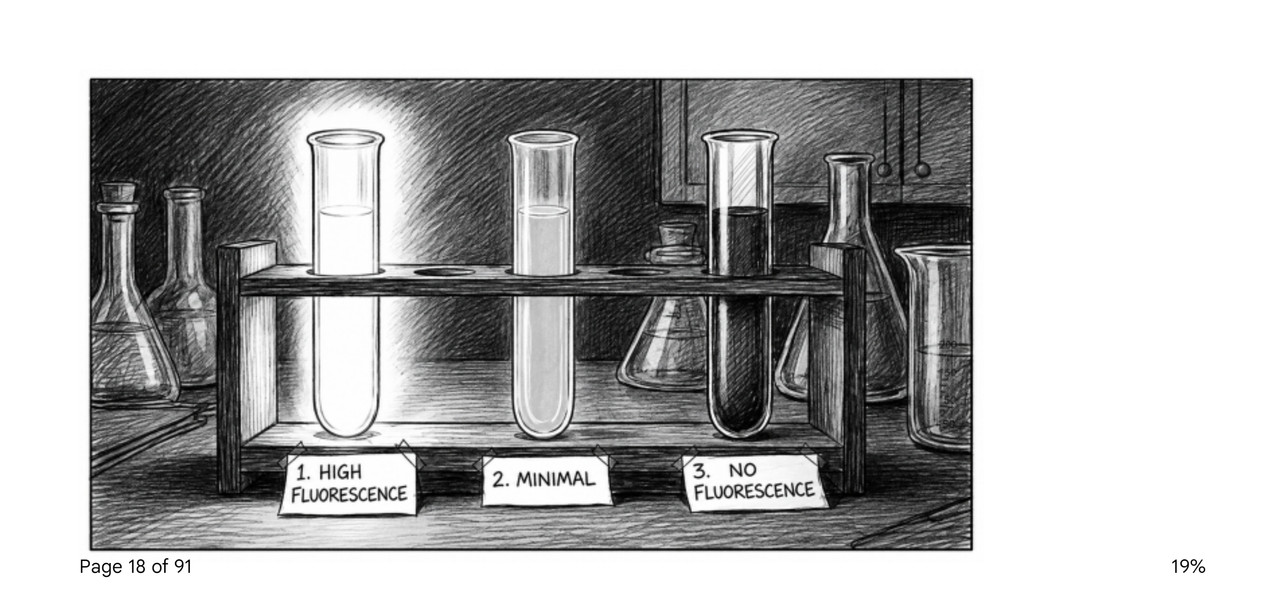
Perform a final check by soaking the seed residue in a small volume of pure, cold distilled water and exposing it briefly to a UV blacklight. Minimal or no fluorescence confirms that the seed matrix is exhausted.
Defatting
Wash the combined aqueous extract with near-0°C ethyl acetate, using a volume equal to the water layer for each wash.
Stir thoroughly with a glass rod, then stop stirring and allow the phases to separate completely. Discard the upper ethyl acetate layer.
Repeat the cold wash several times to help ensure that remaining non-polar impurities are removed.
Freebasing
Chill the acidic aqueous extract in an ice-water bath.
Slowly add sodium bicarbonate, or baking soda, to basify the solution and convert the alkaloids to their freebase form. Keeping the mixture near 0°C during basification helps prevent heat-induced and oxidative degradation.
Perform five or more extractions using fresh portions of chilled, near-0°C ethyl acetate. Stir thoroughly during each extraction.
Allow the phases to separate after each extraction. Collect the organic ethyl acetate layers and combine them.
Check the remaining aqueous phase with a brief UV blacklight pass to verify extraction completeness.
Salt
Pass the combined ethyl acetate extract over a suitable drying agent, such as anhydrous magnesium sulfate or sodium sulfate, to remove trace water. Filter out the drying agent.
Maintain the ethyl acetate near 0°C. Slowly drip in a solution of tartaric acid dissolved in dry ethanol or isopropyl alcohol. The alkaloid tartrate salts will precipitate from the solution.
Filter and collect the precipitate.
Store the final product in the freezer in an airtight container. If available, flush the container with argon gas to create a dense protective blanket over the compound. Dry carbon dioxide can serve as a temporary alternative if argon is unavailable.
For info
I notice the seeds have high germination rate
And are easy to grow in fact it might be among the most grown flower due to it and bulk in the usa are between 12 and 15 a pound at about 5 pound amounts and an acre could handle about 3 pounds is my guess with rows thinking of bulk growing mind you maybe tall wooden stakes or wood posts every so often then something between them cheap maybe biodegradable twine or chicken wire depending on how the harvest may be desired when beating off onto a tarp when fully dry or cutting near the ground and tarp dried nearby each seed normally makes 100 seeds if nurtured perhaps 200 and the amount of alkaloid would perhaps be a rather inexpensive alkaloid source ....
I notice the seeds have high germination rate
And are easy to grow in fact it might be among the most grown flower due to it and bulk in the usa are between 12 and 15 a pound at about 5 pound amounts and an acre could handle about 3 pounds is my guess with rows thinking of bulk growing mind you maybe tall wooden stakes or wood posts every so often then something between them cheap maybe biodegradable twine or chicken wire depending on how the harvest may be desired when beating off onto a tarp when fully dry or cutting near the ground and tarp dried nearby each seed normally makes 100 seeds if nurtured perhaps 200 and the amount of alkaloid would perhaps be a rather inexpensive alkaloid source ....
For info
I notice the seeds have high germination rate
And are easy to grow in fact it might be among the most grown flower due to it and bulk in the usa are between 12 and 15 a pound at about 5 pound amounts and an acre could handle about 3 pounds is my guess with rows thinking of bulk growing mind you maybe tall wooden stakes or wood posts every so often then something between them cheap maybe biodegradable twine or chicken wire depending on how the harvest may be desired when beating off onto a tarp when fully dry or cutting near the ground and tarp dried nearby each seed normally makes 100 seeds if nurtured perhaps 200 and the amount of alkaloid would perhaps be a rather inexpensive alkaloid source ....
ugh Holy crap. here
Preparation
Because the target alkaloids are light-sensitive, perform all steps under minimal lighting, such as a dim red LED sleep light.
Grind frozen seeds using a coffee grinder for small batches, a blender for larger amounts, or a manual seed/grinding mill as a quieter alternative. Keeping the seeds frozen prior to grinding minimizes friction heat and helps prevent oxidative degradation.
Chill the solvents in an ice-water bath. While a static non-polar defatting wash takes roughly two days at room temperature, a cold, active wash achieves the same result much faster.
Add chilled non-polar solvent to the ground seed meal. Perform three separate wash cycles of 45 minutes each, using fresh, near-0°C solvent for every cycle. During each cycle, alternate between vigorous agitation and brief venting, re-cooling the mixture to near 0°C as needed.
Decant the non-polar solvent after each wash. Then allow the remaining seed powder to dry completely in a well-ventilated area until all solvent odor is gone.
Acidic
Polar
Dissolve 2 g of tartaric acid into 100 mL of cold distilled water.
First
Add just enough acidic water to completely cover the dry, defatted seed powder. Alternate between shaking and chilling the mixture near 0°C for 30 minutes. Decant and save the liquid extract.
Second
Repeat the extraction twice more, using fresh aliquots of the acidic water for 10 minutes per cycle. Combine all aqueous extracts.
Completion
Perform a final check by soaking the seed residue in a small volume of pure, cold distilled water and exposing it briefly to a UV blacklight. Minimal or no fluorescence confirms that the seed matrix is exhausted.
Defatting
Wash the combined aqueous extract with near-0°C ethyl acetate, using a volume equal to the water layer for each wash.
Stir thoroughly with a glass rod, then stop stirring and allow the phases to separate completely. Discard the upper ethyl acetate layer.
Repeat the cold wash several times to help ensure that remaining non-polar impurities are removed.
Freebasing
Chill the acidic aqueous extract in an ice-water bath.
Slowly add sodium bicarbonate, or baking soda, to basify the solution and convert the alkaloids to their freebase form. Keeping the mixture near 0°C during basification helps prevent heat-induced and oxidative degradation.
Perform five or more extractions using fresh portions of chilled, near-0°C ethyl acetate. Stir thoroughly during each extraction.
Allow the phases to separate after each extraction. Collect the organic ethyl acetate layers and combine them.
Check the remaining aqueous phase with a brief UV blacklight pass to verify extraction completeness.
Salt
Pass the combined ethyl acetate extract over a suitable drying agent, such as anhydrous magnesium sulfate or sodium sulfate, to remove trace water. Filter out the drying agent.
Maintain the ethyl acetate near 0°C. Slowly drip in a solution of tartaric acid dissolved in dry ethanol or isopropyl alcohol. The alkaloid tartrate salts will precipitate from the solution.
Filter and collect the precipitate.
Store the final product in the freezer in an airtight container. If available, flush the container with argon gas to create a dense protective blanket over the compound. Dry carbon dioxide can serve as a temporary alternative if argon is unavailable.
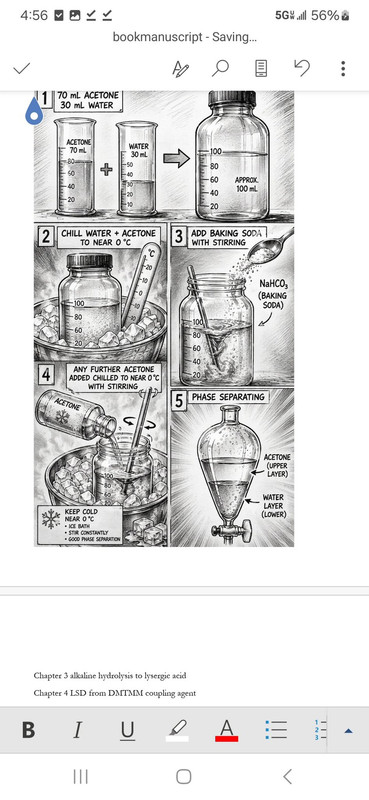
Was originally going to go with an acetone and salting out method but wanted to avoid the large quantity issue of the solvent and the fact it clings to the molecule as the acetone solvate until you precipitate it so changed it to the greener ethyl acetate
 postimg.cc
HL2w ZI2a YAAf75j — Postimages
scientificMETHood
Greenlighter
- Joined
- Jun 30, 2026
- Messages
- 10
Now you feel important.
Using the damn enter key and bold oughtn't make a person feel important.
Do you feel important for not using your right pinky when typing?
They contributed, helping out.Using the damn enter key and bold oughtn't make a person feel important.
Do you feel important for not using your right pinky when typing?
I acknowledged.
People like to be involved and get acknowledged for their part.
Last edited: