• Psychedelic Medicine
  • Psychedelic Medicine Moderator: mr peabody

ALZHEIMER'S | +80 articles

Dementia-care-Lack-of-sleep-speeds-up-Alzheimer-s-disease-so-how-much-should-you-get-1077714.jpg

Lack of sleep speeds up Alzheimer's disease.

The 'garbage catastrophe' of aging and how to avoid it*

by P. D. Mangan

Aging is the accumulation of damage, and nothing more.

As the level of damage rises, cells and the tissue made from them function poorly, and this in turn causes increased risk of disease and death. This is the garbage catastrophe of aging.

What causes this rising level of damage? If we can answer that, we know what causes aging.

(Note that this is a different question from asking whether aging is programmed by evolution or not.)

When we, or any organisms, are young, our cells can repair damage, but as we get older, the damage repair mechanism is itself damaged. This leads to rising levels of damage and an inability to fix it.

Autophagy

The main mechanism for damage repair is autophagy, from the Greek for “self-eating.” Autophagy is the cellular self-cleansing process in which cellular organelles such as mitochondria and proteins within the cell are broken down and their components recycled for making new organelles and proteins.

Autophagy is a daily occurrence — or should be — with peaks and troughs of activity. The absence of food strongly increases the rate of autophagy, so that in young organisms at least, its rate rises dramatically overnight. Fasting even longer than overnight further increases the rate of autophagy.

Other interventions besides fasting also increase autophagy, for instance, exercise and certain drugs and supplements.

But in older organisms, the capacity for increasing autophagy in response to fasting or other stimuli decreases. This leads to a rising level of damage that interferes with cell function and is characteristic of aging.

Autophagy is crucial for the organism. Treatments that prolong lifespan, for example calorie restriction, fasting, or even genetic manipulation of insulin signaling, require the organism to possess an intact autophagy mechanism to work.

No autophagy, no lifespan extension.

What leads to declining autophagy and a rising level of damage?

Accumulating damage itself leads to declining autophagy

When cellular organelles and proteins that are past their expiration date are broken down and recycled during autophagy, it turns out that some of the material cannot be completely disposed of. Much of this material is composed of lipofuscin, the toxic waste of aging.

Lipofuscin is all but non-degradable, and it accumulates with age.

Autophagy takes place inside cellular vesicles, called lysosomes, which are formed for that specific purpose. The inside of the lysosome is kept at an acidic pH, so that the autophagic enzymes will function optimally. These enzymes are inserted into the lysosome, along with the material that is to be broken down, and autophagy proceeds.

Some fraction of the material is impervious to breakdown, however, and this forms lipofuscin.

As lipofuscin builds up in the lysosomes, it impedes the process of autophagy. The cell continues to pour autophagic enzymes into the lysosome, but these are increasingly ineffective, as lipofuscin absorbs them and renders them useless. The entire process of autophagy becomes weaker.

Why autophagy is necessary

Most people understand that the constituents of our bodies turn over regularly, being broken down and rebuilt on a constant basis. Most of the cells and material in our bodies are not the same as they were earlier, so that it can be truthfully said that we literally are not the same person we were a few years before.

For example, red blood cells have a lifespan of about 120 days. If you were to take a blood sample from a person and determine the age of each red blood cell, you would find few to none that were older than that.

All of the red blood cells in your body were created within the last four months.

Why does this happen, and why is it necessary?

The constituents — cells, their organelles, and structural proteins and lipids — are subject to wear and tear. The most important source of wear and tear is due to metabolism, i.e. life itself.

When cells burn energy sources in order to power the processes of life, this burning releases byproducts, called free radicals, and these can and do damage to surrounding cell components. Think of it as the exhaust from a power plant, the pollution of which can cause damage to the surrounding area.

Cells have developed ways of coping with the byproducts of burning cellular fuel. One way is to contain and control them with internal antioxidants, such as glutathione, catalase, and superoxide dismutase. These may be likened to scrubbers in the exhaust stacks of a power plant.

The other way that cells have developed to cope with the inevitable damage caused by fuel-burning is to periodically replace the damaged components. Hence the process of autophagy.

Mitochondria and aging

Mitochondria are the cellular organelles commonly called “the powerhouses of the cell”, because most of the fuel-burning takes place in them.

As such, mitochondria are subject to greater damage from oxidation — fuel-burning — than other cell components.

Mitochondria are critical in aging. Older organisms have larger and more poorly functioning mitochondria, which pour out greater amounts of oxidizing free radicals, causing more and more damage.

Since mitochondria are so subject to damage, they wear out, and cells use autophagy to eliminate damaged mitochondria, which are then replaced with new ones. This process must proceed efficiently for the cell to retain its full youthful function. Quality control of mitochondria is essential.

So, as organisms age and autophagy declines, older and poorly functioning mitochondria become prevalent.

To maintain youthful, fully functional, and efficient mitochondria, autophagy must work properly. Yet as we’ve seen, autophagy declines with age.

Aging as a garbage catastrophe

The inefficient and incomplete breakdown of cellular organelles and other components leads to increasing amounts of waste inside lysosomes, and it never goes away. This is the garbage catastrophe of aging.

From this perspective, it might be predicted that:

(i) suppression of oxidative damage would enhance longevity;

(ii) accumulation of incompletely digested material (e.g. lipofuscin pigment) would interfere with cellular functions and increase probability of death;

(iii) rejuvenation during reproduction is mainly provided by dilution of undigested material associated with intensive growth of the developing organism; and

(iv) age-related damage starts to accumulate substantially when development is complete, and mainly affects postmitotic cells and extracellular matrix, not proliferating cells.

There is abundant support for all these predictions.

Prevention of the formation of lipofuscin, i.e. cellular garbage, and/or removal of it when it exists, is crucial to slowing or stopping aging. For that purpose, it may not only be necessary, but sufficient.

Consider that when a cell divides, any waste material inside that cell is now cut in half. This may be the mechanism by which stem cells, which can divide throughout the lifespan of an organism, maintain perpetual youth.

The dilution of waste material through cell division may also be the reason why even aged organisms always give birth to young progeny. By diluting the waste contents of gametes (sperm and eggs) continually, they’re maintained in a youthful state, with no aging damage.

Even when autophagy is inhibited, continually dividing cells are protected from damage accumulation. This provides strong support for the garbage catastrophe idea and for the anti-aging effects of continual cell division.

Unfortunately for us, most of our cells do not divide continually. Heart cells and neurons, for example. So we’re stuck with cells that accumulate damage, because they can’t dilute it by passing it to numerous daughter cells.

Lipofuscin

What is lipofuscin anyway? If we can determine its composition, we may be able to understand how to prevent it and how to eliminate it.

Lipofuscin is an “iron-catalyzed oxidation/polymerization of protein and lipid residues.”

Iron-containing proteins, such as ferritin, are subject to the normal turnover of cell components, and are broken down inside the lysosome. When this happens, free iron reacts with proteins and lipids, forming lipofuscin.

The enzymes that normally break down proteins and lipids inside the lysosome are not capable of breaking the chemical bonds formed in this reaction and that characterize lipofuscin.

Another important source of lipofuscin is so-called AGE, or advanced glycation end-products. AGEs are formed by the non-enzymatic reaction of sugars with proteins, and they can be broken down by the cell with difficulty or not at all. They occur in everyone but are higher in diabetes, which is characterized by high blood sugar.

Both iron and sugars are necessary for the formation of lipofuscin.

The garbage catastrophe theory and the evidence

Does everything outlined above agree with other evidence on aging and longevity? Consider the following.

- Calorie restriction and fasting promote longevity, and they both are associated with increased autophagy.
- Decreased insulin signaling promotes longevity, and it too is characterized by increased autophagy.
- Substances that promote longevity also increase autophagy, for example resveratrol, metformin, berberine, curcumin, and lithium.
- The amount of lipofuscin in a cell strongly correlates to the degree of dysfunctional mitochondria.
- Some animals don’t age. The Hydra, a non-aging animal, continually renews its cells, i.e. it has no post-mitotic cells, thus diluting all its cellular damage, resulting in no aging.

The scientist Alexei Terman, of Linkoping University in Sweden, writes:

- Clearly, if all damaged structures were renewed with perfect accuracy, aging would not occur. But the inevitability of aging suggests that the biological mechanisms of removal and re-synthesis are not perfect. Of these two processes, the one most suspect in the progression of aging is that of inefficient removal.

- Full understanding of the nature of aging, therefore, requires an explanation of the reasons why the renewal process is imperfect, even under the most favorable conditions. As argued here, the basis of this imperfection may be in the incomplete removal of damaged biological material, which is necessary to make room for newly synthesized structures. This, in turn, may derive from the unfortunate fact that some of these damaged products are difficult or impossible to digest, particularly by the lysosomal compartment.

How to prevent and/or slow aging

IRON


I’ve argued that iron is the primary driver of aging, and looking at aging from the standpoint of the garbage catastrophe lends new support to this idea. Why?

Because iron is required for the formation of lipofuscin, the cell’s toxic waste.

Therefore, to slow the formation of lipofuscin, keep iron levels in the low normal range. Ferritin is the body’s main iron-storage molecule, and the more you have of it, the more will be turned over on lysosomes and the more iron will be left there, creating lipofuscin and catalyzing chemical reactions that damage cell structures.

INTERMITTENT FASTING

Intermittent fasting or calorie restriction (which few people are willing to do over the long term) activates autophagy potently. Therefore fasting increases the clearance of damage. In older people, whose cells are clogged with garbage that inhibits autophagy, fasting may bring the rate of autophagy back to youthful levels.

AUTOPHAGY BOOSTERS

Certain substances/drugs can boost autophagy. These include resveratrol, hydroxycitrate, curcumin.

EXERCISE

Exercise increases autophagy and thus the clearance of cellular damage.

NORMAL BLOOD SUGAR

Keeping blood sugar in the low normal range will help to prevent the formation of advanced glycation end-products (AGE), one of the constituents of non-degradable cellular garbage.

EXPERIMENTAL TREATMENTS

There have been a few reports of substances that can clear lipofuscin from cells. If these were to pan out, they could turn out to be potent anti-aging interventions.

One such substance is a form of cyclodextrin, which is a cheap safe molecule that is already used as an excipient in medicines.

This form of cyclodextrin upregulates autophagy and clears cellular junk.

PS: You can read more about these issues in my books Dumping Iron and Stop the Clock, and more at my site, Rogue Health and Fitness.

*From the article here :
 
cranberries-memory-dementia-neurosciens-public.jpg

Cranberries significantly improved the participants’ memory of everyday events
(visual episodic memory), neural functioning and delivery of blood to the brain.


Cranberries found to improve memory, ward off Dementia*

University of East Anglia | Neuroscience News | 30 May 2022

Older adults who consumed cranberries frequently as part of their diet saw improvements in episodic memory, neural function, and brain perfusion. Cranberry consumption was also linked to a significant decrease in LDL cholesterol. Findings reveal adding cranberries to the diet helps to improve memory and could protect against dementia.

Adding cranberries to your diet could help improve memory and brain function, and lower ‘bad’ cholesterol – according to new research from the University of East Anglia (UK).

A new study published today highlights the neuroprotective potential of cranberries.

The research team studied the benefits of consuming the equivalent of a cup of cranberries a day among 50 to 80-year-olds.

They hope that their findings could have implications for the prevention of neurodegenerative diseases such as dementia.

Lead researcher Dr David Vauzour, from UEA’s Norwich Medical School, said: “Dementia is expected to affect around 152 million people by 2050. There is no known cure, so it is crucial that we seek modifiable lifestyle interventions, such as diet, that could help lessen disease risk and burden."

“Past studies have shown that higher dietary flavonoid intake is associated with slower rates of cognitive decline and dementia. And foods rich in anthocyanins and proanthocyanidins, which give berries their red, blue, or purple colour, have been found to improve cognition."

“Cranberries are rich in these micronutrients and have been recognized for their antioxidant and anti-inflammatory properties."

“We wanted to find out more about how cranberries could help reduce age-related neurodegeneration.”


The research team investigated the impact of eating cranberries for 12 weeks on brain function and cholesterol among 60 cognitively healthy participants.

Half of the participants consumed freeze-dried cranberry powder, equivalent to a cup or 100g of fresh cranberries, daily. The other half consumed a placebo.

The study is one of the first to examine cranberries and their long-term impact on cognition and brain health in humans.

The results showed that consuming cranberries significantly improved the participants’ memory of everyday events (visual episodic memory), neural functioning and delivery of blood to the brain (brain perfusion).

Dr Vauzour said: “We found that the participants who consumed the cranberry powder showed significantly improved episodic memory performance in combination with improved circulation of essential nutrients such as oxygen and glucose to important parts of the brain that support cognition – specifically memory consolidation and retrieval."

“The cranberry group also exhibited a significant decrease in LDL or ‘bad’ cholesterol levels, known to contribute to atherosclerosis – the thickening or hardening of the arteries caused by a build-up of plaque in the inner lining of an artery. This supports the idea that cranberries can improve vascular health and may in part contribute to the improvement in brain perfusion and cognition."

“Demonstrating in humans that cranberry supplementation can improve cognitive performance and identifying some of the mechanisms responsible is an important step for this research field."

“The findings of this study are very encouraging, especially considering that a relatively short 12-week cranberry intervention was able to produce significant improvements in memory and neural function,”
he added.

“This establishes an important foundation for future research in the area of cranberries and neurological health.

Original Research: Open access.
Chronic consumption of Cranberries (Vaccinium macrocarpon) for 12 weeks improves episodic memory and regional brain perfusion in healthy older adults: A randomised, placebo-controlled, parallel-groups study” by David Vauzour et al. Frontiers in Nutrition


Abstract

Chronic consumption of Cranberries (Vaccinium macrocarpon) for 12 weeks improves episodic memory and regional brain perfusion in healthy older adults: A randomised, placebo-controlled, parallel-groups study

Background:
Ageing is highly associated with cognitive decline and modifiable risk factors such as diet are believed to protect against this process. Specific dietary components and in particular, (poly)phenol-rich fruits such as berries have been increasingly recognised for their protection against age-related neurodegeneration. However, the impact of cranberries on cognitive function and neural functioning in older adults remains unclear.

Design: A 12-week parallel randomised placebo-controlled trial of freeze-dried cranberry powder was conducted in 60 older adults aged between 50 and 80 years. Cognitive assessment, including memory and executive function, neuroimaging and blood sample collection were conducted before and after the intervention to assess the impact of daily cranberry consumption on cognition, brain function and biomarkers of neuronal signalling.

Results: Cranberry supplementation for 12 weeks was associated with improvements in visual episodic memory in aged participants when compared to placebo. Mechanisms of action may include increased regional perfusion in the right entorhinal cortex, the accumbens area and the caudate in the cranberry group. Significant decrease in low-density lipoprotein (LDL) cholesterol during the course of the intervention was also observed. No significant differences were, however, detected for BDNF levels between groups.

Conclusions: The results of this study indicate that daily cranberry supplementation (equivalent to 1 small cup of cranberries) over a 12-week period improves episodic memory performance and neural functioning, providing a basis for future investigations to determine efficacy in the context of neurological disease.

*From the article here :

I buy big bags of Ocean Spray Craisins (dried cranberries) from Costco and eat them every day in cereal or granola. Fantastic! - PB​
 
Last edited:

CAMBS.jpg

Alzheimer’s Disease causes cells to overheat and ‘fry like eggs’​

University of Cambridge | Neueoscience News

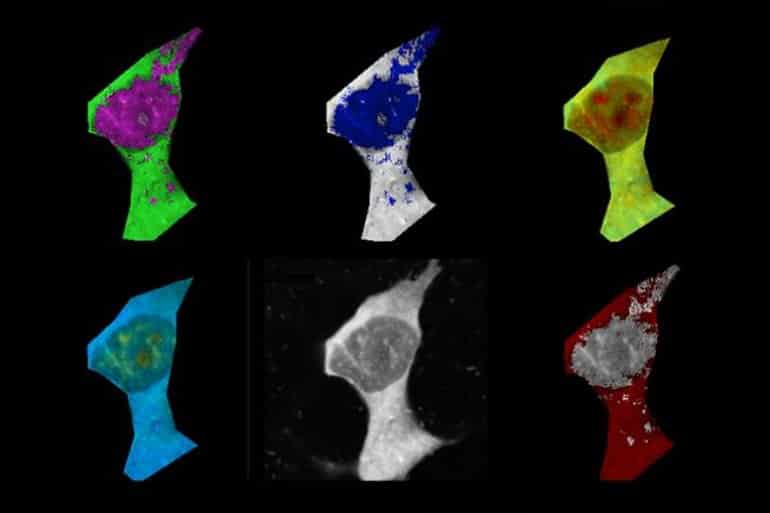
Researchers have shown that aggregation of amyloid-beta, one of two key proteins implicated in Alzheimer’s disease, causes cells to overheat and ‘fry like eggs.’

The researchers, from the University of Cambridge, used sensors small and sensitive enough to detect temperature changes inside individual cells, and found that as amyloid-beta misfolds and clumps together, it causes cells to overheat.

In an experiment using human cell lines, the researchers found the heat released by amyloid-beta aggregation could potentially cause other, healthy amyloid-beta to aggregate, causing more and more aggregates to form.

In the same series of experiments, the researchers also showed that amyloid-beta aggregation can be stopped, and the cell temperature lowered, with the addition of a drug compound. The experiments also suggest that the compound has potential as a therapeutic for Alzheimer’s disease, although extensive tests and clinical trials would first be required.

The researchers say their assay could be used as a diagnostic tool for Alzheimer’s disease, or to screen potential drug candidates.

The results are reported in the Journal of the American Chemical Society.

Alzheimer’s disease affects an estimated 44 million people worldwide, and there are currently no effective diagnostics or treatments. In Alzheimer’s disease, amyloid-beta and another protein called tau build up into tangles and plaques – known collectively as aggregates – causing brain cells to die and the brain to shrink. This results in memory loss, personality changes and difficulty carrying out daily functions.

It is a difficult disease to study, since it develops over decades, and a definitive diagnosis can only be given after examining samples of brain tissue after death. It is still not known what kind of biochemical changes inside a cell lead to amyloid-beta aggregation.

In Professor Gabriele Kaminski Schierle’s research group at Cambridge’s Department of Chemical Engineering and Biotechnology, they have been investigating the possible link between temperature and amyloid-beta aggregation in human cells.

The field of studying temperature changes inside a cell is known as intracellular thermogenesis. It is a new and challenging field: scientists have developed sensors with which temperature changes can be measured, however, no one has ever tried to use these sensors to study conditions such as Alzheimer’s disease.

“Thermogenesis has been associated with cellular stress, which may promote further aggregation,” said Chyi Wei Chung, the study’s first author. “We believe that when there’s an imbalance in cells, like when the amyloid-beta concentration is slightly too high and it starts to accumulate, cellular temperatures increase.”

“Overheating a cell is like frying an egg – as it heats up, the proteins start to clump together and become non-functional,”
said Kaminski Schierle, who led the research.

The researchers used tiny temperature sensors called fluorescent polymeric thermometers (FTPs) to study the link between aggregation and temperature. They added amyloid-beta to human cell lines to kickstart the aggregation process and used a chemical called FCCP as a control, since it is known to induce an increase in temperature.

They found that as amyloid-beta started to form thread-like aggregates called fibrils, the average temperature of the cells started to rise. The increase in cellular temperature was significant compared to cells that did not have any amyloid-beta added.

“As the fibrils start elongating, they release energy in the form of heat,” said Kaminski Schierle. “Amyloid-beta aggregation requires quite a lot of energy to get going, but once the aggregation process starts, it speeds up and releases more heat, allowing more aggregates to form.”

“Once the aggregates have formed, they can exit the cell and be taken up by neighbouring cells, infecting healthy amyloid-beta in those cells,”
said Chung. “No one has shown this link between temperature and aggregation in live cells before.”

Using a drug that inhibits amyloid-beta aggregation, the researchers were able to pinpoint the fibrils as the cause of thermogenesis. It had previously been unknown whether protein aggregation or potential damage to mitochondria – the ‘batteries’ that power cells – was responsible for this phenomenon.

The researchers also found that the rise in cellular temperatures could be mitigated by treating them with an aggregation inhibitor, highlighting its potential as a therapeutic for Alzheimer’s disease.

The laboratory experiments were complemented by computational modelling describing what might happen to amyloid-beta in an intracellular environment and why it might lead to an increase in intracellular temperatures. The researchers hope their work will motivate new studies incorporating different parameters of physiological relevance.

Author: Sarah Collins
Source: University of Cambridge
Contact: Sarah Collins – University of Cambridge
Image: The image is credited to Chyi Wei Chung

Original Research: Open access.
Intracellular Aβ42 Aggregation Leads to Cellular Thermogenesis” by Chyi Wei Chung et al. Journal of the American Chemical Association

 
Last edited:
wp1-02.jpg


Cannabis may prevent the onset of Alzheimer's

by Steve Elliott

Early use of cannabis apparently delays and might even prevent the onset of Alzheimer's, according to a leading scientist in the field. But the work of longtime researcher Gary Wenk of Ohio State University has come to a halt, despite the promising results.

"We found out that people who smoked cannabis in the 1960s were not getting Alzheimer's," Wenk explained, reports KJ Hiramoto at the Seattle PI. "These 90-year-olds without dementia were telling us things like, 'Well, I drank whiskey and smoked cannabis,' and these are the things they remember. They don't remember habits like how often they ate broccoli."

Maddeningly, Wenk's research ground to a halt due to political, legal and financial reasons.

"The evidence in animals is clear but making the leap to humans means that you have to find a drug company willing to handle the lawsuits and the money," Wenk said.

He faced other hurdles, as well. Scientists who wish to research cannabis have to compete for approval and grants from the National Institute on Drug Abuse (NIDA), for which The University of Mississippi is the only source of cannabis - Mississppi has the only federally legal, grant-funded cannabis garden in the U.S.A.

What makes the situation even worse is that, as admitted even by NIDA Director Nora D. Valkow, M.D., is that the agency is only interested in studying the potential harms of cannabis, not the medicinal benefits.

A spokesperson for the NIDA told the New York Times in 2010 that the agency does not fund research focused on the potential medical benefits of cannabis.

"As the National Institute on Drug Abuse, our focus is primarily on the negative consequences of cannabis use,"
NIDA spokeswoman Shirley Simson told the Times.

And under federal law, the NIDA must approve all clinical research involving cannabis. It tightly controls which investigators are allowed access to the federal government's Ole Miss cannabis supply, which is grown (and then stored, for years) at the research facility in Oxford, Mississippi.

"I am not funded to do cannabis research," Wenk said. "It cost me about $100,000 to do a whole experiment, $10,000 just to buy the molecule, and every old rat is $150. You can see how it adds up, and individuals can't afford it."

British researchers find corroborating evidence

"A paper published in the British Journal of Pharmacology suggests that the cannabinoids in cannabis are likely not only to prevent the onset of Alzheimer's, but also of Parkinson's disease, Huntington's disease, and age-related dementia," reports Brandon Isaak.

Chronic brain inflammation, oxidative stress, and intra-cellular dysfunction are the primary reasons people develop these debilitating neurological diseases, and the study found that both THC and CBD, found in cannabis, help protect nerve cell function in users, significant reducing these harmful conditions.

The cannabinoids tap into the endocannabinoid system, reducing inflammation, protecting brain cells from oxidative damage, and promoting cellular health on multiple levels, according to the researchers.

Showing promise: Old people are going to win

Wenk's research, before it was halted, anyway, was showing promise to middle-aged and older Americans. Cannabinoids found in cannabis may delay the onset of Alzheimer's so effectively that people are more likely to die of old age before showing any signs of dementia.

In the study, Wenk dosed rats in his lab at Ohio State a dosage equivalent to one puff of cannabis every day. In old rats with impaired memory due to brain inflammation, that single puff a day was making them smarter. Not only were they more intelligent, but some of the pathological changes in the rats brains, due to aging, were being reversed.

"Essentially, what we found was that we know that as people get older, their neurogenesis drops to zero," Wenk said, referring to the process through which new brain cells are created. "And that's part of the reason old people have a problem with their memory and depression. What we found was that not only did the single puff a day reverse the memory impairment but also restarted neurogenesis."

According to Wenk, delaying the end of neurogenesis (regeneration of neurons) helps middle-aged Americans and their families in a very easy-to-measure way: in their pocketbooks.

"If we can keep a person out of a nursing home for five years, we've saved that family and their insurance companies an awful lot of money," Wenk said. "No matter how we spin this, old people are going to win."

"I am incredibly excited about it, because this is the first time we have ever had a compound that actually works in the old brain,"
Wenk said. "Everything works in the young brain, but this is working in old brains. So this means if you are, 60, 70, and you are having problems with mental decline? We might have a mechanism that could target that."

"Very low doses are effective,"
Wenk said, "Even just one puff of cannabis a day helps," according to his research. "This is just the beginning of what we believe we will uncover as we investigate this line of research," he said.

Blocking endocannabinoids may trigger early Alzheimers

Another study from a team of investigators at the Stanford University School of Medicine led by Daniel Madison has implicated the blocking of endocannabinoids, the brains own internal versions of the active compounds in cannabis, in the early pathology of Alzheimers.

It seems a substance called A-beta, suspected to play a key role in Alzheimers because it is the main part of clumps which dot the brains of Alzheimer's patients, may, in the early stages of the disease, impair learning and memory by blocking the beneficial action of endocannabinoids.

The group at Stanford is now trying to suss out the molecular details of how this occurs. Pinning down the details could pave the path to new ways to stave off the learning disabilities and memory deficits that characterize Alzheimer's and could also help explain how smoking cannabis helps to delay or even prevent its onset.

In the study, published in the June 28, 2014 issue of the scientific journal Neuron, the researchers detail how pyramidal cells in the brain underpin learning and memory. This assures, they learned, that high-intensity input such as falling down or burning your finger tends to stick in your memory, thus presumably help avoid such mishaps in the future.

Pyramidal cells are encouraged to ignore noise signals, they constantly receive random signals from upstream nerve cells by a sort of wet blanket, nerve cells called interneurons. These secret an inhibitory substance, the molecular equivalent of an indifferent shrug or yawn, signaling that the input is not really very important.

But when the news actually is significant, pyramidal cells secrete their own "Now just you wait a minute, these are important" chemicals. And guess what? Those chemicals which signal the importance of incoming information are none other than the endocannabinoids.

Madison speculates that when we smoke cannabis, the phytocannabinoids from the plant have the effect of enhancing the perceived importance of events that happen while we are under the influence of cannabis.

And another likely effect is inhibiting the "wet blanket effect" of interneurons which, in Alzheimers, needs reducing to increase the ability to learn and remember.

Increasing tolerance

The federal Schedule I illegality of cannabis, under which it is officially considered to have no medical uses and a high danger of abuse, has stymied Wenk's research. But the scientist has noticed a refreshing trend, a major shift in the cultural tolerance of cannabis, particularly from young people, including his students.

"I've really seen a shift in 10 years of increased cannabis tolerance," Wenk said. "In my class, people are more than willing to discuss their cannabis use. But they would be embarrassed to mention that they smoke cigarettes."

With Alzheimer's ranking as the sixth leading cause of death in the United States, and with more than five million Americans currently struggling with the disease, which has no known cure, you would think that lab results as promising as Wenk's would have attracted major funding by now. But that is not the case, because, as we have pointed out, the NIDA is not really interested in knowing about the medical benefits of cannabis, just its dangers.
Wenk, who has researched the effects of Alzheimer's on animals for about 40 years, has shared his findings in his book, Your Brain On Food.

https://tokesignals.com/marijuana-sh...ch-is-stalled/
 
Last edited:
tingri-everest-base-camp-trek.jpg


Alzheimer’s : The early warning sign everyone should know

This Alzheimer’s early warning sign could provide a way of warding off the neurodegenerative disease.

Poor sleep could be an early sign of Alzheimer’s in people who are otherwise healthy, new research finds.

Scientists have found links between certain biological markers of Alzheimer’s and sleep disturbances. Dr Barbara B. Bendlin, who led the study, said:

“Previous evidence has shown that sleep may influence the development or progression of Alzheimer’s disease in various ways.For example, disrupted sleep or lack of sleep may lead to amyloid plaque buildup because the brain’s clearance system kicks into action during sleep. We looked not only for amyloid but for other biological markers in the spinal fluid as well.”

The study was carried out on 101 people with an average age of 63. All were at risk of Alzheimer’s, although none had any symptoms. The results showed that those with the worst sleep quality also had biological markers of Alzheimer’s in their spinal fluid. Dr Bendlin said:

“It’s important to identify modifiable risk factors for Alzheimer’s given that estimates suggest that delaying the onset of Alzheimer’s disease in people by a mere five years could reduce the number of cases we see in the next 30 years by 5.7 million and save $367 billion in health care spending.”

Not everyone with sleep problems had the biological markers, though, said Dr Bendlin:

“It’s still unclear if sleep may affect the development of the disease or if the disease affects the quality of sleep. More research is needed to further define the relationship between sleep and these biomarkers. Improving sleep could be one way of helping to ward off Alzheimer’s," said Dr Bendlin. "There are already many effective ways to improve sleep. It may be possible that early intervention for people at risk of Alzheimer’s disease may prevent or delay the onset of the disease.”

-----


Coffee may reduce risk of Alzheimer’s and Parkinson’s

Alzheimer’s disease is the most common neurodegenerative disease and a leading cause of dementia.

Studies have shown that coffee drinkers have up to a 65% lower risk of developing Alzheimer’s disease.

Parkinson’s is the second most common neurodegenerative disease and caused by the death of dopamine-generating neurons in the brain.

Coffee drinkers have a 32-60% lower risk of Parkinson’s disease. The more coffee people drink, the lower the risk.

Bottom Line: Several studies show that coffee drinkers have a much lower risk of dementia, Alzheimer’s disease and Parkinson’s disease in old age.

-Kris Gunnars​
 
Dementia-care-Lack-of-sleep-speeds-up-Alzheimer-s-disease-so-how-much-should-you-get-1077714.jpg


Psychedelics Show Promise for Treating Dementia

Psychedelic Science Review - by Nate Seltenrich

Among the many medical and therapeutic applications of psychedelics being explored in labs and boardrooms today, Alzheimer’s disease has maintained a relatively low profile. But that may be changing, thanks in part to a review article published last summer in Frontiers in Synaptic Neuroscience.

“We have been stunned by the popularity of our article on the Frontiers platform,” lead author Simon Vann Jones, an old-age psychiatrist, and researcher with the UK-based Cornwall Partnership NHS Foundation Trust, told Psychedelic Science Review in an email earlier this month. “I think this speaks to both the interest and excitement around psychedelic research but also the desire for something that might make a difference to Alzheimer’s disease and other dementias.”

The paper is joined by an ongoing study at Johns Hopkins University, currently recruiting volunteers, that is designed to investigate whether high-dose psilocybin can ameliorate depression — or, as secondary outcomes, improve memory and cognition — in patients with early Alzheimer’s.

And in December 2019, a Phase 1 trial published in the journal Psychopharmacology by the psychedelic medicine company Eleusis — with noteworthy contributors Robin Carhart-Harris of Imperial College London, Charles Nichols of Louisiana State University, and Eleusis CEO Shlomi Raz — showed that low doses of LSD were safe and well-tolerated in 48 healthy older volunteers. The paper is part of a larger study intended to evaluate the drug as a therapeutic for neuroinflammation associated with neurodegenerative diseases like Alzheimer’s.

Beyond these preliminary efforts, there’s not much to report yet — especially compared with the attention given to addiction, depression, anxiety, and post-traumatic stress disorder as targets of psychedelic drugs in recent years.

"The prospect that psilocybin and LSD could be used to treat dementia has a mixed yet promising foundation in the scientific literature", write Vann Jones and coauthor Allison O’Kelly, also a memory and dementia expert with Cornwall Partnership NHS Foundation Trust.​

Literature review gives perspective

The August 2020 article by Vann Jones and O’Kelly — for which Nichols, one of the world’s leading experts on the neurological effects of psychedelics, served as a reviewer — ranks among the most popular articles published over the last 12 months in all 109 Frontiers journals. It reviews the evidence linking psychedelics to dementia in a methodological fashion, pulling together various threads to ultimately conclude that existing research
…suggests a potential role for both sub-perceptual ‘micro’- and psychedelic-doses as a strategy for neuroprotection and cognitive enhancement in prodromal Alzheimer’s disease.

The paper begins on the topic of acute cognitive effects, citing the Eleusis Phase 1 trial and two other controlled studies from 20193 and 20204 that found no effects on cognition associated with sub-perceptual doses of LSD in healthy volunteers.

A 2018 uncontrolled, naturalistic study organized by the Dutch Psychedelic Society found increased cognitive “fluency, flexibility, and originality” among the 33 participants at various micro-doses of psilocybin, but Vann Jones and O’Kelly stress these results should be interpreted with caution.

The authors go on to review recent evidence of longer-term psychological effects of psychedelics, citing some of the “encouraging results” on anxiety and depression that have informed the current Johns Hopkins study on depression in Alzheimer’s patients.

"Then comes a section on neurobiological effects" (which would have included a reference to a subsequently published August 2020 study reporting an acute elevation in circulating brain-derived neurotrophic factor levels in healthy volunteers following a microdose of LSD, Vann Jones said).

Finally, the authors address anti-inflammatory mechanisms — a section that could have come first, given, on one hand, the link between Alzheimer’s and inflammation, and, on the other, psychedelics’ known anti-inflammatory properties.​

Review article authors are optimistic

With nearly 21,000 views, and, according to Vann Jones, interest from journalists and researchers around the world, this short review article is poised to point the way toward more targeted clinical research and investment in the field.

“It is very exciting that there are a number of research groups and private companies currently investigating the role of psychedelics in dementia. This confirms our belief (and findings) that this stands up to scientific rigor and is worthy of further exploration,” Vann Jones told Psychedelic Science Review. “We are optimistic that we are on the path to something that may make an enormous difference to those suffering with dementia.”

Nate Seltenrich is a Bay Area-based independent science journalist covering a wide range of topics including psychedelic and cannabinoid science, environmental health, climate change, and more. His work has appeared in many international, national, regional, and local magazines, newspapers, and websites.

 
Last edited:
25937084-25937084.jpg


Low-Dose Lithium: A New Frontier in Mental Health Treatment

Author(s)James M. Greenblatt, MD

Lithium has long remained at the forefront of effective treatments for bipolar disorder. However, due to safety concerns, a stigma often hangs over its use. For decades, data have slowly been building that lithium has a much wider dose-response curve with potential utility at lower doses. With my own patients, low and microdose lithium has been invaluable for helping with irritability, anger, and addiction. As a treatment, low-dose lithium can act like a bridge between medications and integrative approaches, supporting well-being with reduced adverse effects.

While not generally accepted as a nutrient, some authors have made strong arguments—based on animal research and ecological studies—that lithium may fit the definition of a mineral.2 This may help explain why microdoses of lithium are often helpful: patients may actually be struggling with a lithium deficiency.

Arguably, the strongest evidence for low-dose or even nutritional doses of lithium is for the prevention of dementia and suicide. Recent research and my own clinical experience have demonstrated additional clinical applications, including for depression, substance use disorder, and irritability

Defying Cognitive Decline: How Low-Dose Lithium May Prevent Dementia

Initial evidence for the effects of lithium on cognitive decline and dementia were uncovered in patients with bipolar disorder. Bipolar is well known to increase the risk of developing dementia. An analysis from 2020 found that a diagnosis of bipolar disorder tripled the risk.

In contrast, studies on patients with bipolar disorder who were on lithium as a mood stabilizer found that lithium treatment significantly reduced the risk of dementia.4 Based on the findings, clinical trials started exploring the use of lithium as a direct treatment for Alzheimer disease. While some of the initial studies were mixed,5,6 further clinical trials have found benefits for slowing or halting the progression of cognitive decline with lithium treatment.

A trial by Nunes et al even found potential benefits with 300 µg of lithium per day. At this microdose, patients with Alzheimer disease remained stable over 15 months as patients on placebo continued to decline. At the end of the study, Mini-Mental State Examination (MMSE) scores had dropped to 14 in the placebo group, whereas the lithium group held steady at just below 20.

In 2011, a trial of low-dose lithium for cognitive decline also found benefits.8 Treatment included 12 months of low-dose lithium, with blood levels between 0.25-0.5 mmol/L. As compared with placebo, lithium-treated subjects had a decrease in phosphorylated tau in cerebrospinal fluid (CSF) and better cognitive function.

After additional data was collected on the same subjects over the next 2 years, outcomes were further improved.9 Placebo patients worsened, whereas the patients on low-dose lithium remained mostly stable. Memory and attention were significantly better with lithium. Lithium also increased levels of amyloid-beta peptide in the CSF at 3 years. The increase was hypothesized to be due to an increased clearance of amyloid plaques with long-term lithium treatment.

The final analysis of these patients was published in 2024.10 While a significant subset of patients had died, the patients who had received lithium had higher MMSE scores vs those who were given placebo: 25.5 vs 18.3, respectively. Verbal fluency testing also showed marked advantages with lithium treatment with scores of 34.7 vs 11.

One of the most recent meta-analyses for patients with bipolar disorder found that pharmaceutical lithium reduces dementia risk by half. A separate meta-analysis of both the preclinical and clinical research found that lithium displays neuroprotective effects with clinical data showing positive results in patients with Alzheimer disease.

Increasing cases of Alzheimer disease and dementia are one of the more sobering realities we face in medicine, as cases are projected to increase precipitously over the coming decades. Considering the challenges of our aging population, lithium may be a cost-effective augmentation strategy to fill treatment gaps for dementia prevention initiatives.

A Life-Saver in Microdoses: The Potential of Lithium in Suicide Prevention

Beyond the potential benefits for cognitive health, lithium may also be useful for another significant unmet need: suicide prevention. Suicide rates have been mostly on the increase in the United States since 2001. Suicide is the second leading cause of death among individuals aged 10 to 34. And while there is controversy around the research, in total, it strongly suggests that lithium has antisuicidal properties.

Evidence for microdoses reducing suicide risks comes from a large and growing number of ecological studies exploring suicide rates and lithium levels in tap water. Lithium is naturally found in the environment, with tap water being a significant component of the lithium present in the diet. Tap water levels can vary dramatically from locality to locality providing natural variations in exposure. Lithium levels in drinking water are usually measured in micrograms per liter, suggesting that lithium may have relevant neurological effects even at these low levels.

In 1970, the first report about lithium concentrations in tap water and local state mental health hospital admissions found an inverse correlation.16 As lithium exposure from groundwater increased, local hospital admissions were reduced. Over the ensuing decades, numerous research groups analyzed local water supplies and mental health outcomes, most often as suicide rates. A meta-analysis of this data was published in 2021, including 113 million individuals from 2678 regions around the world.14 The study found that higher groundwater lithium was correlated with reduced suicide and mental hospital admissions. Since the meta-analysis, most of the additional studies have continued to confirm the relationship.

For patients with bipolar disorder, standard pharmaceutical doses of lithium have also shown consistent effects for lowering suicide risk.19 Tentatively, the results of the research suggest that lithium’s antisuicidal effects occur through a broad range of dosage levels. Considering the rising tide of suicides in this country and the safety of lithium when utilized in lower doses, lithium may deserve additional consideration as one component in a multiprong approach for suicide prevention.

A Subtle Shift: The Promise of Low-Dose Lithium for Resistant Depression

While the data shows that doses close to and including standard pharmaceutical levels are more effective for treating mania and depressive episodes in bipolar disorder,20 the research also has shown that lower doses are well-tolerated and may provide benefits in some cases of major depressive disorder.

An open-label study in severely depressed patients who were unresponsive to an initial trial of venlafaxine found significant benefits with low-dose lithium augmentation. Lithium, at doses between 300 and 450 mg, does not require blood monitoring and was well tolerated. The authors argue that low-dose lithium may be a preferable first choice in “non-emergent situations'' due to its ease of use and higher tolerability. A separate, small, dose-response trial using lithium augmentation for treatment-resistant depression that was unresponsive to sertraline found that both 400 mg and 800 mg of lithium were equivalent in their clinical response. In patients with severe depression, a subset of patients on citalopram plus 300 mg of lithium carbonate achieved therapeutic blood levels and had significantly higher remission rates of suicidal thoughts. In patients with multiple sclerosis, low-dose lithium (between 150 and 300 mg) improved depression symptoms better than an observation period without lithium.

However, not all research findings on low-dose lithium treatment for depression have found benefits. In patients on tricyclic antidepressants who were resistant to treatment, lithium at 750 mg provided significant benefits whereas doses of 250 mg did not.

Breaking Chains: Lithium’s Role in Addiction Recovery

Substance use and addiction are typically difficult to treat. Clinical trials are often plagued with high dropout rates, a predictor of relapse.26 As such, interpreting the data can be difficult. While the results are mixed, some research and my own clinical experience suggests that low-dose lithium may have a role for helping to treat addiction.

An early study using an integrative medicine approach for treatment using 6 mg of lithium (as 150 mg of lithium orotate), combined with other supplements and dietary recommendations, found benefits for patients with alcohol use disorder.27 Of the treated patients who stayed on lithium, 36 of 42 had a history of hospitalization due to severe alcohol use. With lithium treatment, almost a quarter of patients remained alcohol free for up to 3 to 10 years. None of the patients needed additional hospitalizations. However, the study had numerous limitations, including a high drop-out rate and only included patients who managed to continue lithium treatment.

In patients recently detoxed from alcohol, low-dose lithium (defined as blood levels between 0.3 and 0.5 mmol/L) or a vitamin placebo were administered.28 Due to a previous study noting that patients who detoxified from alcohol often displayed manic-type symptoms, the study was implemented to see if lithium could address these symptoms. For the detoxed patients on lithium, manic symptoms significantly decreased, fully normalizing over a 2-week period. For controls, manic symptoms did not significantly change and remained elevated.

The most recent study of interest utilized 150 mg of lithium carbonate for patients at a residential addiction center as a replacement for antidepressants or benzodiazepine medications.29 With the implementation of low-dose lithium, opiate doses dropped by 50%, benzodiazepine use was almost eliminated, and atypical antipsychotics were reduced by more than two-thirds. Polypharmacy, or the use of 5 or more psychiatric medications in a treatment regimen, was reduced by almost 80%. For patients on lithium, program completion rates increased by almost 100%. In total, low-dose lithium effectively reduced medication use and improved residential addiction treatment outcomes.

Cooling the Fire: Microdose Lithium for Anger and Irritability

Irritability and anger are not official diagnoses in the DSM. As such, they are often considered as secondary to other conditions like depression or bipolar disorder and not treated directly. In children, disruptive mood dysregulation disorder (DMDD) encompasses problems with anger and irritability.

From my own clinical experience, irritability often has roots in metabolic, environmental, and nutritional factors. While older studies on prison inmates suggest that lithium may have utility for decreasing anger and aggressive behaviors,30-32 in my experience, irritability is one of the most powerful indicators that a patient will benefit from low-dose or microdoses of lithium. For any patient struggling with irritability, especially when there is a family history of addiction, bipolar disorder, or depression, elemental lithium between 2 and 10 mg, typically as lithium orotate, has often provided significant relief. For children with DMDD, lithium can sometimes provide profound benefits, helping to safely decrease symptoms when used in such low doses.

The Untapped Potential of Low-Dose Lithium

Lithium has long had a starring role in standard medicine as a therapeutic option for bipolar disorder and as an adjunctive treatment for depression. Nonetheless, research and my own clinical practice with thousands of patients have found that lithium’s efficacy is still very relevant at lower doses. From an integrative medicine perspective, microdoses of lithium may act more like a nutrient, improving mood, reducing irritability, and supporting cognitive function. These low-dose benefits of lithium extend from hundreds of micrograms up through the standard dosage range of lithium used for bipolar disorder treatment.

Dr Greenblatt is the chief medical officer of Psychiatry Redefined, an online educational platform for integrative and functional psychiatry.
 
Top