• Psychedelic Medicine
  • Psychedelic Medicine Moderator: mr peabody

Drug Addiction | +70 articles

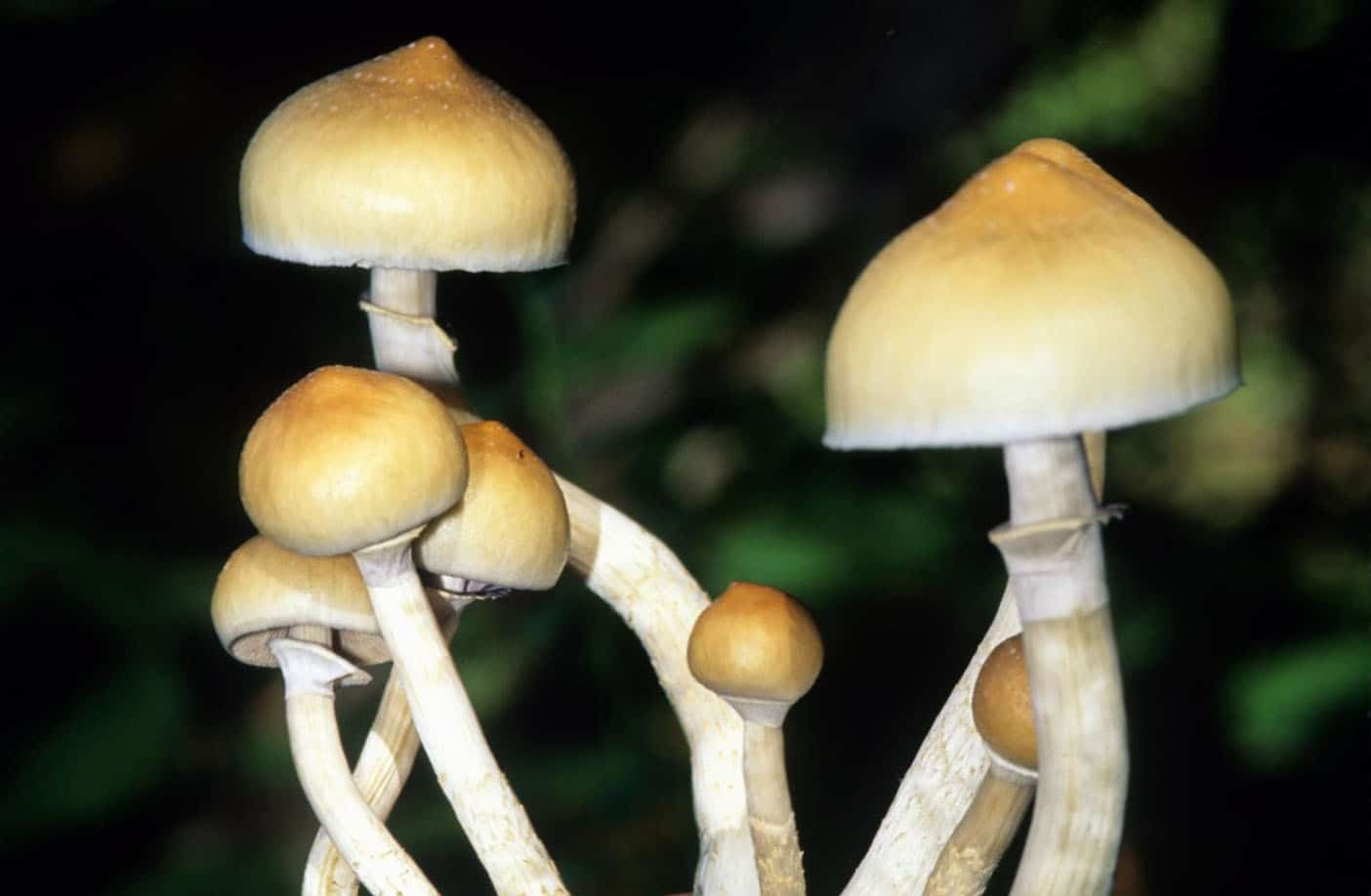
How magic mushrooms might help cure addiction*

Giving psilocybin to alcohol-dependent rodents may have revealed a way to repair the neurological mechanism that is damaged by long-term alcohol use and fuels addiction.

by Luke Taylor | Discover Magazine | Feb 23, 2022 1:55 PM

Alcohol consumption causes 5.3 percent of all deaths worldwide and is a factor in more than 200 disease and injury conditions, ranging from behavioural disorders to traffic accidents. Like other addictive substances, regular use can be difficult for users to give up — even when causing severe and obvious harm.

Once long-term alcoholism takes hold, it changes the brain at a cellular and anatomical level, reducing a person’s ability to resist alcohol cravings and fosters dependence. In severe cases, it can cause brain damage and dementia.

“Alcohol essentially removes the executive-function brakes on the brain, leading to cravings, excessive use and tolerance,” says Pamela Walters, a consultant in forensic and addiction psychiatry and director of Forward Trust, a substance misuse and mental health charity in the U.K.

Breaking consumption habits early on before they become ingrained is the most effective treatment, Walters says.

But a series of studies of psychedelics suggest that taking a trip could give addicts a neurological reset that makes it easier for them to ditch harmful substances. Psilocybin — the active ingredient in magic mushrooms — may reverse the long-term neurological damage caused by alcoholism, says Marcus Meinhardt, a researcher at the Central Institute of Mental Health in Mannheim, Germany.

A November study in Science on psilocybin, co-authored by Meinhardt and colleagues in France and Germany, may have revealed a key mechanism driving alcoholism. Targeting this neuro-mechanism could restore the brain’s executive function and an alcohol-user’s ability to better weigh the long-term damage caused by alcohol versus the short-term reward, the authors concluded. They also recommended patient trials as important follow-up measures to vet their findings.

The study, which was limited to alcohol-dependent rats, found that the animals were less likely to return to alcohol after they were given psilocybin. The response suggests that it somehow reduced the rodents’ cravings.

More importantly, says Meinhardt, their levels of mGluR2 — an essential protein for healthy brain function — dropped when they consumed alcohol. That mGluR2 increased after they were given psilocybin. The study’s authors theorise that the resurgence in the rats’ mGluR2 levels restored their ability to execute self-control and made them less likely to discount the rewards of abstinence.

“Like in rodents, MGluR2 is also missing in human brains, thus we now provide mechanistic insights on how to repair it,” Meinhardt says.

Glutamate is essential for regular brain function. When alcohol is consumed, the mGluR2 receptor behaves differently, however. Glutamate production also decreases, altering decision-making. Dysregulation of mGluR2 has been observed in those who are dependent on other addictive substances like cocaine, so targeting the neurotransmitter could help treat the abuse of other substances, Meinhardt says.

Early studies of psychedelics suggest that they could make it easier for people to give up addictive substances, either by the user gaining perspective and experience from a so-called trip, or from effects at a biological level. A small study of psilocybin and cognitive behavioural therapy for smokers in 2014 found that 67 percent were still tobacco-free 12 months after giving it up — a success rate twice as high as traditional treatments.

Humphrey Osmond, a pioneer of psychedelic treatment in the 1950s and 60s, claimed that 40 to 45 percent of the alcoholics to whom he prescribed LSD — which acts on the same brain receptors as psilocybin — were sober one year later.

Most trials of psychedelics were halted when the substances were banned in 1968. But the field is undergoing a renaissance. Researchers say the issues treatable by hallucinogens could span from anxiety and depression to addiction and PTSD. For Meinhardt’s thesis, however, the leap from a rodent brain to a human one is a big one.

Some of his prior studies of psilocybin and LSD for alcohol addiction were effective, but only short-term. It's unclear whether the effects waned due to psychological differences between rodents and humans or incorrect time or dosages, he says. His team is collaborating with researchers in Zurich to see if humans will exhibit the same response as rodents and expects to publish results in the summer of 2023.

“We want to further understand how exactly this restoration [of mGluR2] works, so we can fully understand the molecular mechanisms of psilocybin and try to initiate clinical trials,” Meinhardt says.

*From the article here :
 
Last edited:
Screen-Shot-2022-03-04-at-11.32.47-AM.png


Psychedelic therapy and the opioid crisis*

by Matthew Dunehoo | Psychedelic Spotlight | 4 Mar 2022

I first met Brittany eight years ago, when she was waiting tables at a revered Kansas City diner chain. Her eloquence, her generosity of spirit, her work ethic and natural beauty all caught my attention. She wins people over effortlessly. It’s a gift. I had no way of knowing at that time that Brittany was already struggling with substance use disorder, to a degree that would continue to grow beyond her control.

At 26 years old, Brittany represents one human amidst a surging statistical reality. According to health policy research center SHADAC, the annual number of drug overdose deaths has nearly quadrupled from 17,500 in the year 2000 to 67,400 in 2018. The organization states, “Most of these deaths involved opioids, including heroin, prescription painkillers, and synthetic opioids such as fentanyl.”

Anyone on this list of opioid crisis casualties could be your sister, your daughter, your friend.

Brittany was prescribed opioids by her doctor for ovarian cysts at 16. At the time, she was already living on her own. Both her father and mother were struggling addicts, and Brittany grew up within the omnipresently bleak reality of her family’s poverty. Opioids turned out to provide just the escape she had dreamed of, and treatment immediately mutated into vice.

A number of companies working with psychedelic medicines are developing therapeutics to treat addiction and opioid withdrawal symptoms, with a focus on ibogaine. This naturally occurring psychoactive substance, and indole alkaloid, is found in a perennial rainforest shrub native to Central Africa called Tabernanthe iboga. Ibogaine hydrochloride can be extracted from the plant and has been shown to have a powerful effect on a variety of brain receptors, which can be altered to help with the elements of addiction.

Mindcure, a Canadian company has completed the first stage of manufacturing pharmaceutical grade ibogaine, which it is utilizing in further clinical trials. The idea is that these powerful psychedelics can, once more fully understood, be institutionally administered as a game-changing treatment for addiction, which can take root at an early age in at-risk individuals, and plague them through their perilous lives.

“I had had a troubled life. I was already vulnerable to things like substance use,” Brittany says. “I was marginalized, my parents were addicts. I was prescribed oxycodone for my ovarian cysts. I remember just being a kid and taking them, and thinking, this is what I’ve been looking for my whole life, this feeling. I think about the origin of [my opioid addiction] and it really just traces back to that moment. It’s something I’ve chased ever since.”

Treatment with psychedelic medicine like ibogaine or ketamine cannot continue to be accessible only to the wealthy. It’s clear that collectively we recognize the severity of the opioid crisis in North America. Shows like Hulu drama Dopesick and HBO’s Euphoria inform and entertain, while there are no shortage of books, news, and diatribes like this abound. It’s no longer a secret. Yet our national recognition and reaction in terms of taking the evasive action necessary to create policies to truly attempt to fix the situation are bafflingly inept.

At the time of our interview in December, Brittany was “living” for the most part, unhoused, on the streets, bouncing between heroin houses and rehab centers, if and when she could find a bed. Currently she resides in the Jackson County jail awaiting trial for a disturbingly long list of recent offenses that include theft, possession and evading arrest. She is now looking at significant prison time. This is a woman who has all of the tools necessary to make a lasting and positive impact in this world. A recent diagnosis of borderline personality disorder, coupled with substance use disorder and the relentless stranglehold cycle of poverty are conspiring against her in the most insipid fashion imaginable.

As her friend, I will do what I can by listening when she calls. And I’ll learn more about science and industry working for solutions, helping advocate responsibly as I’m able. But the helpless feeling experienced by those with loved ones in the throes of addiction, is withering. Testimonials of those who have found relief from substance use disorder and an array of other deep-seated illnesses through psychedelic medicine, evoke visions of the miraculous.

Miracles cannot exist for the privileged alone.

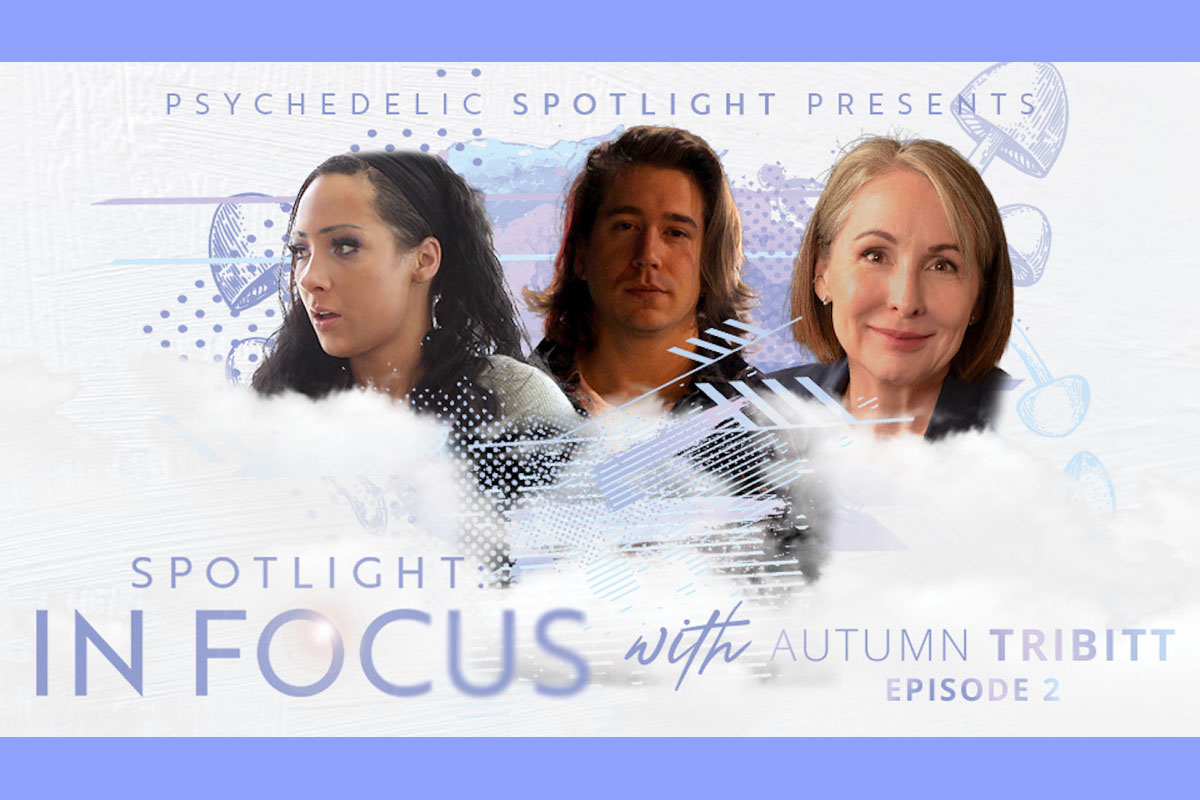
Matthew Dunehoo is the producer, director, and co-host of our flagship series “Spotlight in Focus,” which offers in-depth analysis and candid interviews with luminaries throughout the field of medicinal psychedelics. Two episodes are now available to watch on ALTRD.TV.

*From the article here :
 
Last edited:
WELL-PSYCHEDELIC-ADDICTION-superJumbo.jpg


The next big addiction treatment

Several psychedelic drugs are touted as effective treatments for drug and alcohol abuse. But psilocybin combined with therapy is emerging as the most effective.

by Brendan Borrell | New York Times | 11 Apr 2022

In recent years there has been a spate of research suggesting psychedelic drugs can help people manage mental health conditions like depression, anxiety, chronic pain or even eating disorders. But a growing body of data points to one as the leading contender to treat the intractable disease of substance abuse. Psilocybin, the active ingredient in psychedelic mushrooms, has shown promise in limited early studies, not only in alcohol and harder drugs, but also nicotine — all of which resist long term treatment.

“The old rule of thumb is that one-third of people get better, one-third stay the same, and one-third continue to get worse,” said Dr. Michael Bogenschutz, a psychiatrist at New York University’s Grossman School of Medicine studying psilocybin-assisted therapy as a treatment for alcohol abuse. “What’s fascinating to me about this whole process is how many different kinds of experiences people can have, which ultimately help them make these profound changes in their behavior.”

Take Aimée Jamison, who several years ago wanted to kick her cigarette habit before her 50th birthday. Statistically speaking, Ms. Jamison’s chance of success wasn’t great. According to the Centers for Disease Control and Prevention, 55 percent of adult smokers tried to quit in 2018, but only 8 percent were successful.

Ms. Jamison, an investor who lives part-time in Boston, had heard about psychedelic therapies, but the drug is largely illegal for personal use. So, in the fall of 2018, she flew to Baltimore to participate in a clinical trial at the Johns Hopkins Center for Psychedelic & Consciousness Research. When she had to abstain from nicotine for a day before a brain scan, she could barely sleep and called it “the most hellish 24 hours I’ve experienced.”

After three talk therapy sessions at the Hopkins clinic, she was given a single pill containing 30 milligrams of psilocybin, a relatively high dose. After swallowing the pill, she put on an eye-mask, lay on a couch and went on a psychedelic trip with two therapists nearby for the next five hours.

When her trip ended, she sat up and looked at the therapists. “Now, I understand why I smoked,” she said, “and I don’t need to do that anymore.”

Over the next couple months Ms. Jamison attended several more therapy sessions, but took no additional psilocybin. She hasn’t touched a cigarette in the years since. An early version of that study (in which participants had two or three psilocybin sessions), published in 2014, reported an 80 percent success rate in 15 smokers, compared with 35 percent typically observed in patients taking the leading conventional antismoking drug Chantix.

Buoyed by such positive outcomes, the Hopkins study has expanded to include more participants, and, last year, the team received a $4 million grant from the National Institutes of Health.

It’s still uncertain how effective using psilocybin to treat addiction is in the long-term and whether some individuals are more likely to benefit than others. Some study participants have had troubling experiences during their trips, and experts say that people should not be taking the drug outside of legitimate research studies or without medical supervision.

The five-hour duration of the experience will also make it costly in a health care setting, which could limit its use in lower-income communities disproportionately affected by drug and alcohol abuse. Still, many experts hungry for new addiction therapies say that psilocybin represents a new and potentially exciting treatment for people suffering from a disease that is difficult to address.

Treating more than a chemical dependency

One of the reasons addictions are so hard to treat is that most are more than chemical dependency. Long after the short-term withdrawals have waned, people suffering from addiction often face living without the stress release valve that their habit gave them. Those wishing to quit may persevere for a few weeks or months, but when stressed or upset, their brains often divert them back to the familiar territory of their addiction.

Some experts say psilocybin addresses that psychological need. Along with LSD and mescaline, it is known as a “classic psychedelic,” which activates switches in the brain’s visual cortex, the serotonin 5-HT2a receptors, producing hallucinations. Back in the psychedelic heyday of the 1950s and 1960s, such drugs were evaluated for treating depression and addiction with mixed results.

But that work was put on ice in the 1970s with the passage of the Controlled Substances Act, which placed LSD and psilocybin in the most restrictive legal category, known as Schedule 1.

Thirty years later, in 2000, Roland Griffiths, a psychopharmacologist at Johns Hopkins, received the green light from the Food and Drug Administration to study the psychological effects of psilocybin on 30 volunteers. In a survey given to participants two months after their session, more than half ranked it as among the most meaningful experiences of their lives.

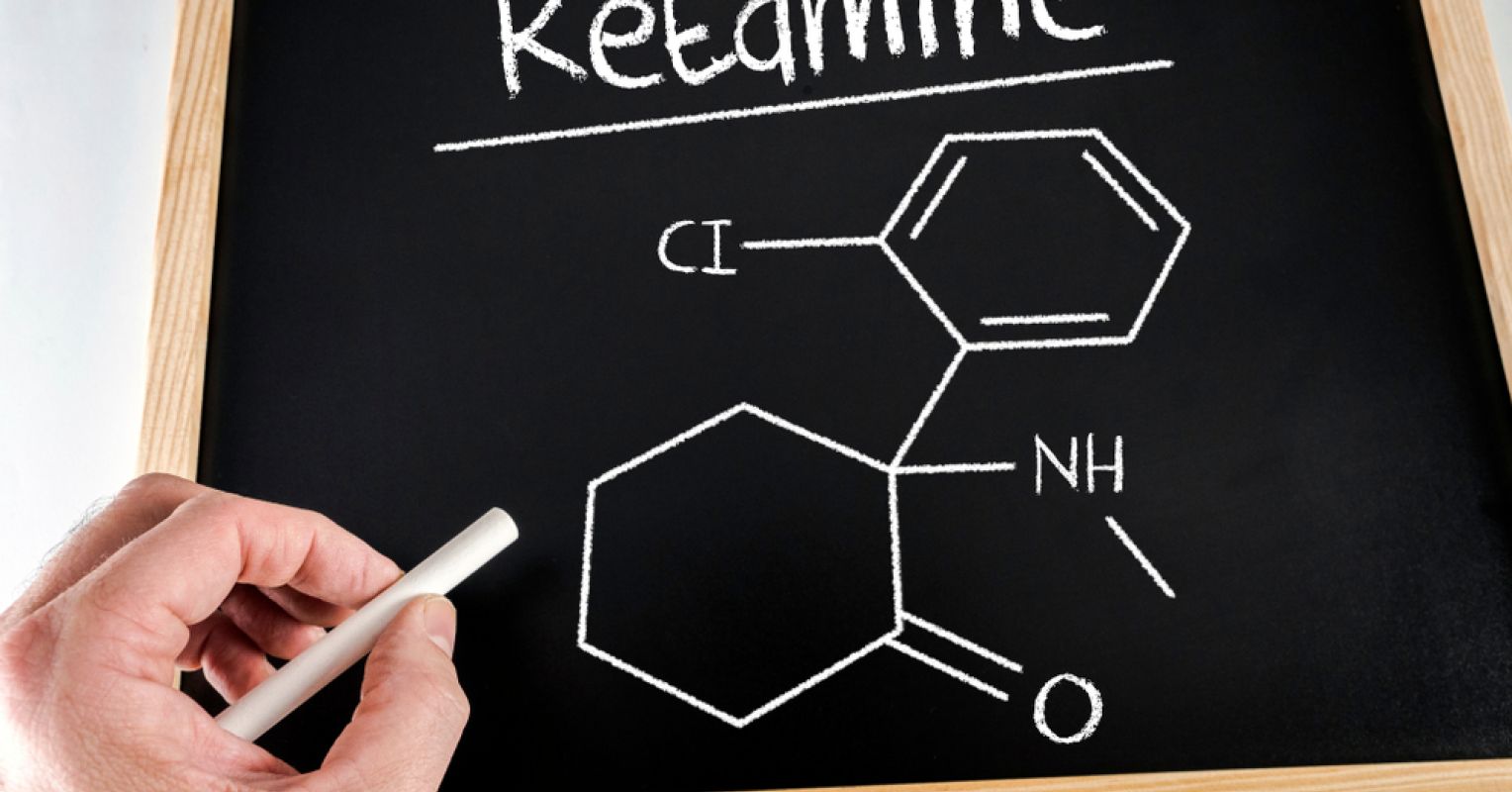
Psychedelic research has blossomed since then. A British study published earlier this year found that people with severe alcohol abuse disorder who received ketamine-assisted therapy abstained from drinking 10 percent more over six months than those who received just a placebo along with therapy or education.

Some studies on ketamine and addiction, however, suggest that its antidepressant effect wears off over time, and participants may need repeated infusions. This is a potential problem because the drug itself has the potential to become a drug of abuse and overdoses can, in rare cases, be fatal.

Researchers who are enthusiastic about psilocybin say its longer, more intense psychedelic experience make it a more long-lasting therapeutic. It generally requires just a single session or sometimes several sessions to be effective, provided it’s integrated with psychotherapy or some other form of counseling.

“People have greater mental flexibility following psilocybin,” said Matthew Johnson, a psychologist at Johns Hopkins who leads the smoking trial. “That increase in openness might be a permanent change that can help in overcoming addiction.”

An uncertain future

Although psilocybin remains illegal under federal drug laws, some cities, including Denver, and Santa Cruz, Calif., have decriminalized it. Oregon, in November 2020, voted to become the first state to legalize it for medical use.

Psilocybin is considered safer than ketamine and is not habit-forming, but it does have its downsides. The greatest risks may come from a person who uses the drug alone and wanders into traffic or other dangerous situations while high. Even in the supervised setting of a research laboratory, users often experience side effects, such as vomiting or loss of coordination, and the trip itself can produce anxiety, pain or even a psychotic break.

“One of the big challenges of these treatments is that the effects are somewhat unpredictable,” Dr. Bogenschutz said.

The California Institute of Integral Studies is one of the best known organizations offering a certificate program to train future therapists working with psychedelics, but since psilocybin-assisted therapy remains illegal, an underground treatment market has popped up around the country.

Jon Kostakopoulos, a former alcoholic who founded the Apollo Pact, a nonprofit that advocates for increased federal funding of psilocybin research, said that the psychedelic landscape can be tough for people to navigate. He said he has spoken to several people who became suicidal after their psychedelic guides told them to quit taking their conventional antidepressant medications in preparation for their psilocybin trip. Mr. Kostakopoulos tries to direct people to legitimate clinical trials, like the pilot study he took part in at N.Y.U. and which he believes helped him to give up alcohol.

“I think you need to do this with properly trained professionals,” he said. “There are some shady actors.”

Some also some worry that psilocybin is not being evaluated in the poorer communities where addiction has its greatest toll. “We need to develop treatments to help everyone,” said Peter Hendricks, a psychologist who studies psilocybin and addiction at the University of Alabama in Birmingham.

He is nearing the conclusion of a clinical trial that has stretched on for more than five years, which aims to evaluate the potential of psilocybin as a treatment for cocaine abuse. He focused on recruiting users from low income communities around Birmingham, including among the homeless, where addiction is rampant.

On its own, psychotherapy is not generally an effective treatment for cocaine use disorder. In Dr. Hendricks’s trial, however, a preliminary analysis of the first 10 participants showed that those who received psilocybin along with therapy used cocaine on fewer days over the next six months than those who received a placebo alongside therapy. They also reported that it was significantly easier to abstain from cocaine and reported higher life satisfaction.

Dr. Hendricks, however, warns that people shouldn’t get their hopes up too high. “The existing treatments are very ineffective,” he said. “I’m hoping to go from pretty darn ineffective to not bad or decent.”

 
Last edited:
02142022_bupepics3_105945.jpg

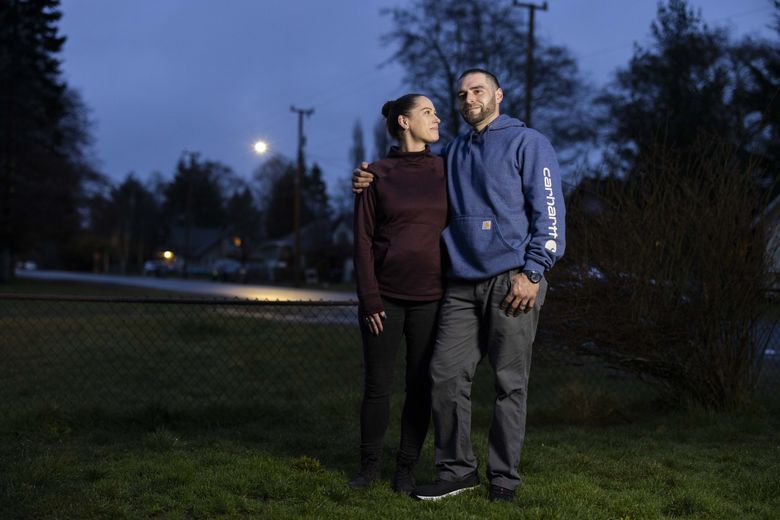
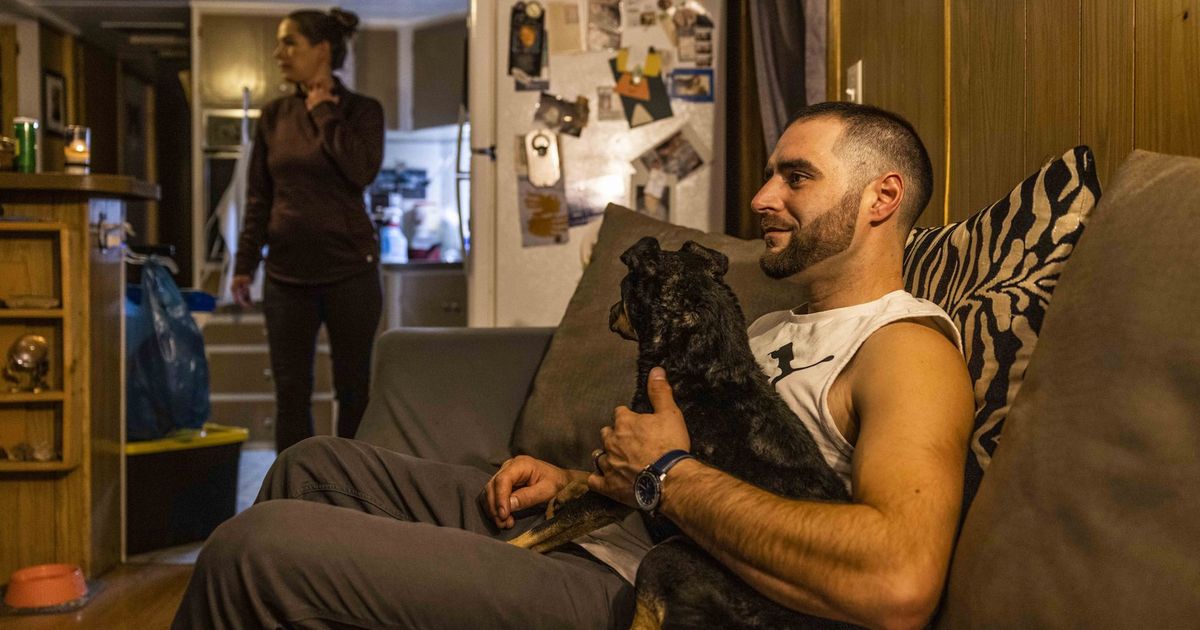
Michael Barajas, right, and his fiancée, Lindsay Garcia, stand outside their Aberdeen home.

Easier access to Buprenorphine is helping people with opioid use disorder turn their lives around*

by Sandi Doughton | Seattle Times | 13 Mar 2022

MICHAEL BARAJAS TOOK his first vacation this year, at the age of 33.

For most of his life, the Aberdeen native had no interest in leaving town — unless it was to pick up or deliver drugs.

“Nothing else mattered but getting high,” he says, “so why would I go anywhere?”

The backstory Doctors who believe in bupe are bringing the opioid-addiction treatment to people where they are

Since he’s been sober for nearly three years, Barajas’ world has broadened in ways that seemed inconceivable when he was camping in abandoned houses, focused only on “getting well” with another bump of OxyContin, heroin or whatever he could get his hands on.

He’s now working full-time for a company that manages rental properties in Ocean Shores. He’s engaged and shares a house with his fiancée. On their trip to California in January, they visited her family, checked out the scene at Venice Beach and strolled the Santa Barbara pier.

Barajas credits his recovery to a medication called buprenorphine, or bupe, and a new type of clinic that’s part of a statewide push to make the treatment more accessible.

Also known by the brand name Suboxone, bupe is a synthetic opioid similar to methadone but much safer and less powerful. In former drug users like Barajas, it doesn’t cause euphoria and it actually prevents them from getting high if they take other opiates. The medication blocks withdrawal symptoms and calms the jangling brain circuits that trigger cravings and the temptation to relapse.

“It’s opened up a whole lot of doors for me,” Barajas says during a recent, monthly visit to the MAT (medication assisted treatment) Clinic at Summit Pacific Medical Center in the tiny town of Elma. “Instead of being locked in that mental state where my brain is constantly telling me I want that feeling of being high, I can now do things and experience life and grow as a person.”

The clinic’s lead nurse, Beth Hindbaugh, beams.

“I’m super proud of you,” she says.

ENCOURAGEMENT AND COMPASSION are integral to the clinic’s philosophy. So is upending the traditional — often punitive — approach to addiction treatment.

Behavioral therapy, detox and 12-step programs long have dominated recovery paradigms, but evidence increasingly shows that medication, especially buprenorphine, is far more effective.

Patients taking bupe or methadone are half as likely to relapse or overdose as those who get only counseling. In fact, adding talk therapy to buprenorphine-based treatment doesn’t significantly improve success rates, according to several studies. Medication for addiction is linked with a drop in arrests and fewer emergency room and hospital visits, which reduces the economic toll.

“Getting on Suboxone results in a more complete and longer sobriety than anything else we do,” says Dr. Shawn Andrews, founder and medical director of the Elma clinic. Though it doesn’t work for everyone, the medication can be life-changing for many.

“People get their lives back. They get their kids back. They go to school; they get better jobs and contribute to society,” she says.

But fewer than 1 in 5 Americans with opioid addiction receives any type of medication, with the highest gaps among people of color. Widespread use of buprenorphine, which was approved by the FDA in 2002, has been hampered by medical bureaucracy, restrictive regulation, doctors’ reluctance to treat drug users and the stubborn misconception that medication is a crutch, not a true path to recovery.

“There’s a pervasive attitude that people who struggle with substance use disorders are just weak, that they could quit if they wanted to,” says Dr. Charissa Fotinos, acting state Medicaid director at the Washington State Health Care Authority. “But we know from the brain science that they can’t. This is not a willful act. This is not a moral failing.”

An estimated 2 million people in the United States suffer from what medical experts refer to as opioid use disorder, a term that acknowledges the disease-like impact on the brain and body. Overdose deaths reached an all-time high of 100,000 during the second year of the coronavirus pandemic, driven in large part by a flood of fentanyl, which is much deadlier than heroin.

In the face of the ongoing crisis, Washington is among several states shifting to a strategy described as medication-first and low-barrier. The goal is to dismantle obstacles and make it easier to get buprenorphine to those who need it most.

Over the past several years, the state has received more than $130 million in federal opioid response grants, and some of that money has gone to create 25 new treatment sites, like the one in Elma. Most are low-barrier, and many are located in places frequented by people with addiction: needle exchanges, emergency rooms, shelters and jails. Local governments and organizations are also adding low-barrier options; King County now has 33.

“We’ve recognized that there’s a group of folks who aren’t comfortable or don’t feel safe in the regular health care system because they’ve been judged or stigmatized,” Fotinos says. “So let’s just be where they are, and if they’re ready and willing and interested in treatment, let’s provide it for them right there.”

THE ELMA CLINIC, 30 miles west of Olympia, demonstrates many of the elements for success — even in rural Grays Harbor County, which has the state’s highest rate of overdose deaths and few doctors willing to prescribe buprenorphine. Patients don’t need appointments. If they meet the criteria, they can walk out the same day with medication instead of having to wait weeks for their first dose. That’s an important change, because delays can plunge people into withdrawal and send them scrambling for drugs to stop the misery. State regulators recently lifted limits on the amount and duration of bupe treatment, removed some insurance barriers and raised payments to doctors. They did away with a long-standing requirement that patients also enroll in talk therapy.

In low-barrier programs, no one is booted out for relapsing. If someone wants to cut down on heroin use but continue using other drugs, such as meth, that’s OK, too. The idea is to help all patients reduce their risk of overdose and improve their lives and health — even if it’s just baby steps at first.

Addiction experts compare it to treating patients with high blood pressure or diabetes. Doctors don’t kick them out if they smoke or sneak a piece of birthday cake, but that’s the way people with substance use disorder are often treated.

“Recovery is an incremental process for most people,” Andrews says. Even the most motivated patients usually stumble before it sticks. For people who lack stable housing, it’s even more challenging.

“It’s very hard to stay sober if you’re sleeping in a tent and rats are nibbling at your feet,” Andrews says.

BARAJAS FOLLOWED A typically twisting path.

Growing up with a mother addicted to meth, he assumed drug use was the norm.

“Since I was probably 12 years old, I’ve always been on something, whether it was booze or pills or cocaine,” he says. He occasionally stole, but mostly sold drugs to make money, chalking up a string of arrests and jail time.

His first attempts to get clean were through cold-turkey therapy programs. He didn’t find the counseling helpful but did OK for a while until a series of calamities pushed him over the edge. An injury cost him his livelihood as a logger. His house burned, his grandmother was diagnosed with cancer and he got hit by a car.

Smoking opioids ruined his marriage and his relationship with his daughter, but it eased the suffering.

“It just numbs you from life, and your body doesn’t hurt until you’re out of drugs.”

Barajas’ first stint at the Elma clinic ended in relapse. Then his girlfriend at the time died of an asthma attack because she was too high to find her inhaler.

“That was the big push I needed for myself,” Barajas recalls. “I thought, ‘What if my daughter were to find me like that, laying on the ground?’ ”

He was so ashamed of his relapse, he almost didn’t return to the clinic. “I’m thankful they didn’t say, ‘Your chance is over. You failed,’ ” he says. “They want you to come back and keep trying.”

WASHINGTON’S LOW-BARRIER sites are still too new to measure their impact, and disruptions from the pandemic haven’t helped, Fotinos says. At least 24,000 people have received treatment through the new programs since 2018, but retention rates aren’t clear, and the number of Washington residents with opioid addiction is also increasing.

Caleb Banta-Green, of the University of Washington’s Addictions, Drugs and Alcohol Institute, conducted the state’s first low-barrier pilot project at Seattle’s downtown needle exchange in 2017 and found that even among a largely homeless population, buprenorphine slashed overdose deaths and reduced opioid use. Nearly 80% of drug users surveyed said they wanted to quit, with medication by far the preferred method. But another analysis found most people don’t initially stay on the medication for the recommended minimum of six months.

To evaluate the method on a larger scale, Banta-Green and his colleagues are collecting data on overdoses, deaths, relapse rates, hospitalizations and arrests from six clinics across the state.

The link between drugs and crime also makes prisons and jails important players in expanding buprenorphine treatment. At the South Correctional Entity (SCORE) jail in Des Moines, for example, eight in 10 people booked are on some kind of intoxicant, says Lt. Jeffrey Gepner.

Those on opioids used to be left to endure withdrawal with no medical intervention, which can sometimes be deadly. In most cases, guards would mop up the vomit and diarrhea, move prisoners to another cell, then repeat the process, says Gepner, who now leads the jail’s medication assisted treatment program.

Buprenorphine is provided to inmates sick from withdrawal and to those who want to continue or start a treatment program. Many jails and prisons have similar programs, and more are adding them after a lawsuit in Whatcom County that argued it was illegal for correctional facilities to deny addiction treatment.

“The goal here is to say: ‘We’ll get you stabilized. We’ll hook you up with someone on the outside to help you with treatment. We’ll even give you a ride to your first appointment,’ ” Gepner says. Continuity of treatment is crucial because former inmates face an extremely high risk of overdose death after release.

But Gepner acknowledges there’s only so much he and his team can do during a brief window of incarceration. In most cases, it doesn’t come close to addressing the complex tangle of circumstances that contribute to addiction, from trauma and mental illness to poverty and homelessness.

Some experts worry the pendulum is swinging too far toward medication as a quick fix and away from more holistic treatment, including counseling.

Dr. Kenneth Stoller, who directs the Johns Hopkins Broadway Center for Addiction in Baltimore, says treatment narrowly focused on medication could sell patients short. In his program, buprenorphine and other meds are part of a comprehensive package that includes helping patients find housing, connect with psychiatric care and work on skills such as parenting.

The program’s therapists provide individualized care and aren’t afraid to “push and pull” patients past obstacles to help them achieve their goals, he says — something medication-first clinics shy away from.

“I worry that the system will eventually see treatment as equivalent to providing medication,” he says. “And that the result will be that patients get fewer resources than they deserve, and that their outcomes will be suboptimal and that providers and society will in turn blame the patient.”

EVEN AT LOW-BARRIER clinics, patients aren’t just given a prescription and left to fend for themselves. Nurse-managers provide moral support and talk through issues from the medication itself to other aspects of their clients’ lives. Staff members help patients explore housing options and connect with social services and more intensive counseling. At the STEP clinic (Support, Treatment, Engagement, and Pride), in Seattle’s Central District, some staff members are themselves in recovery, which helps them empathize and understand what clients need, says medical director Dr. Eliza Hutchinson, of Country Doctor Community Health Centers.

The clinic is tucked in a corner of the Hepatitis Education Project’s syringe service, where people can pick up clean needles, toothbrushes, socks — and now, if they qualify, a Suboxone prescription.

Hutchinson started the program primarily to reach those who aren’t able to navigate the maze of conventional medicine because their lives are upended by drug use and other complications, from lack of housing to mental illness.

“We tend to see folks with a lot going on that makes it challenging to stabilize them,” she says.

Randy Gaspard, who is living in an apartment after several years being unsheltered, drops in often. Through his years of addiction, Gaspard, 56, was arrested repeatedly for burglary. He tried getting sober with methadone, which is more tightly regulated than bupe and requires daily clinic visits. He’d schlep across town and wait in line, only to encounter some problem that meant he had to start over.

With buprenorphine, patients get prescriptions for several days, a week or even a month, depending on their circumstances. The medication costs between $80 and $200 a month, which is covered by Medicaid, Medicare and most private insurance. Regular urine tests help ensure patients are taking their bupe, not selling it.

“I’m not saying it’s peaches and cream,” Gaspard says of the treatment. “But it’s a hell of a lot better. I’m not dope-sick all the time, and I’m not running around out there trying to find it.”

AS GASPARD WRAPS UP his visit, Alicia Burden sweeps into the clinic with cheery greetings and a stack of pizzas to share. She works as assistant manager and sometime-delivery driver at a Domino’s in the area.

Burden started using drugs as a teenager, and her addiction led her into prostitution, theft and — eventually — violence. She fatally stabbed a man who she said was attacking her, and she was sentenced to 11½ years in prison.

As her release date approached, Burden started Suboxone treatment because she feared she might relapse.

“I didn’t trust myself,” she says. “Being an addict is not just a one-time thing. It’s a forever thing.”

Nearly two years into her treatment, things are going great, she tells Hutchinson. “I’m not having any cravings. I don’t even dream about it anymore.”

Work is good, she’s in a relationship, and she and her boyfriend are talking about having a baby. While many people continue taking buprenorphine for the rest of their lives, Burden tells Hutchinson she wants to start tapering off with the goal of quitting completely.

“I just don’t want to be on anything anymore,” she says.

After the appointment, Burden, 35, stops to gather socks, syringes, lip balm, lotion and packages of the overdose prevention drug Narcan. She’ll pass them out to people who are homeless and using drugs in her University District neighborhood. She understands what they’re going through, and tries to serve as a model to show that change is possible.

“I’m always excited about everything,” she says, “because I just wake up glad to not be dead or in a coma on the streets.” She hopes some of the people she helps eventually will find their own way to recovery.

“Some people aren’t strong enough,” she says. “They’ll do it when they’re ready.”

*From the article here :
 
Last edited:
New study links psilocybin to lower risk of opioid addiction*

by Greg Gilman | Psychedelic Spotlight | 11 Apr 2022

A study published in Nature today provides more evidence that psychedelics could serve as a major tool in the fight against opioid addiction, with psilocybin users, in particular, being up to 34 percent less likely to have opioid use disorder (OUD).

“Psilocybin was the sole classic psychedelic substance associated with lowered odds of past year OUD in a large, nationally-representative sample of the U.S. population,” write study authors Grant Jones, Jocelyn A. Ricard, Joshua Lipson and Matthew Nock. “These findings accord with other population-based survey research indicating that classic psychedelics share differing relationships to mental health outcomes in naturalistic contexts.”

In other words, different psychedelics — LSD, ayahuasca, MDMA, mescaline, peyote — may be uniquely suited to treat certain mental health conditions, and this study correlates psilocybin, specifically, to reducing opioid abuse and dependence.

One recent ketamine trial for alcohol use disorder delivered very promising results, as well, and that’s just the tip of the iceberg of potential applications of psychedelics, in general.

This latest psychedelics study drew on 2015-2019 data from The National Survey on Drug Use and Health, an annual survey that examines substance use and health outcomes within a nationally-representative sample of the US citizens. It was modeled after a 2017 study, which was the first to conclude, “Experience with psychedelic drugs is associated with decreased risk of opioid abuse and dependence.”

That study found classic psychedelic use conferred 27 percent reduced risk of past-year opioid dependence and 40 percent reduced risk of past-year opioid abuse, and current study authors felt it was “crucial to examine whether such findings replicate.” Of the 214,505 respondents in this second attempt, those who used psilocybin were found to be 17 to 34 percent less likely to develop symptoms of opioid dependence.

Most interesting is that psilocybin was the only substance associated with lowered odds of OUD. “Other classic psychedelics shared no association with OUD or were associated with increased odds of OUD,” the study states.

“These results are cross-sectional and correlational and so cannot be used to make causal inferences,” study authors note. “However, this study offers an important contribution to the research literature by demonstrating the replication of [the] original finding that lifetime use of psychedelics conferred lowered odds of opioid dependence and abuse.”

They add, “Furthermore, our findings suggest it is worth investigating the protective effects of psilocybin for all related diagnostic criteria for OUD, including overuse and tolerance, opioid-related emotional distress, and opioid-related social and work problems.”

*From the article here :
 
Last edited:
Psilocybin could be a therapeutic breakthrough for addiction

by Tara Law | TIME | 19 Apr 2022

To the uninitiated, psilocybin—the substance that gives ‘magic mushrooms’ their psychedelic qualities—could be dismissed as a recreational drug. Like many other psychedelics, it is banned by the U.S. government as a Schedule 1 substance, meaning it supposedly has high potential for abuse and no currently accepted medical use in treatment. However, to many medical science researchers, psilocybin is much more: a promising treatment for a range of health issues. In particular, experts increasingly see the chemical as a potentially effective, low-risk tool to help patients break their dependencies on other substances. Given that more than 100,000 people died after overdosing on opioids and other drugs in the U.S. last year, it’s an understatement to say it’s urgent to find new, effective treatments for substance use disorder.

The research supporting psilocybin’s use in this context has been growing for a while now. One of the most recent such studies, published in Scientific Reports on April 7, looked at data from 214,505 U.S. adults in the National Survey on Drug Use and Health (NSDUH) from 2015 to 2019, and found an association between past use of psilocybin—at any time in their lives—and a reduced risk of opioid use disorder. The researchers looked at 11 criteria that scientists use to diagnose opioid use disorder (for instance, spending a significant amount of time getting and using drugs), and found that past psilocybin use was significantly correlated with lowered odds of seven of items on the list, and with marginally lowered odds of two others.

There’s a major caveat with this study: because it was looking at correlations, it didn’t find any definitive proof that psilocybin use in-and-of-itself reduces the risk of opioid use disorder. "While the researchers controlled for things like educational attainment, annual household income, and age, there may be social or personal characteristics that make psilocybin users different from people who didn’t decide to use the drug," says Grant Jones, a graduate researcher at Harvard University who co-authored the study. “Maybe there’s different psychological profiles that make [some people] more immune to developing substance use disorders; we don’t know,” says Jones.

Nevertheless, the study adds to growing evidence that psilocybin is worth investigating as a treatment for substance use disorder. For example, a 2017 Johns Hopkins University pilot study, co-authored by Albert Garcia-Romeu, found that the majority of 15 participants were able to quit smoking for at least 16 months after receiving two to three moderate to high-level doses of psilocybin. A similar proof-of-concept study into alcohol use disorder in 2015, led by Michael Bogenschutz, a professor of psychiatry at New York University Grossman School of Medicine, found that abstinence among addicts increased significantly following the use of psilocybin. Observational studies, including Jones’ report and additional research from Garcia-Romeu, have also found that psilocybin is associated with a reduced risk of using substances like cocaine, marijuana, and opioids.

Additional research has shown another potential therapeutic use of psilocybin: to assuage depression. For instance, a small randomized clinical trial published in JAMA Psychiatry in 2020 found that psilocybin-assisted therapy caused a rapid reduction in the symptoms of major depression symptoms, and that the effects remained statistically significant at least four weeks later. Another study, published this year in the Journal of Psychopharmacology, found that among a small group of participants with depression who received two doses of psilocybin with supportive therapy, 75% still had some response to the treatment, and that 58% were in complete remission from depression. In another study co-authored by Jones, published earlier this year in the Journal of Psychopharmacology, he and colleague Matthew K. Nock reviewed NSDUH data, and found that psilocybin use was associated with a reduced risk of major depressive episodes.

Despite all that, Jones acknowledges that there’s still a lot to learn about psychedelics. “The thing that always strikes me about psychedelic research is that even though there’s an immense amount of excitement, and a lot of attention, and a lot of a lot of financial support that’s flowing into the space, the actual body of literature is still very sparse,” Jones said. “I think we’re exploring the boundaries of the benefits of well-being.”

Why might psilocybin help treat addiction?

Several clinical trials focused on mental illnesses like depression have shown that psilocybin appears to boost patients’ moods, even weeks after taking the drug. Exactly how remains uncertain, but researchers have a few ideas. For example, psilocybin appears to increase the brain’s neuroplasticity—the ability for neural networks to shift and rewire. In a study published April 11 in Nature Medicine, for example, researchers found that psilocybin helped to broadly build more connections between different parts of the brain, while simultaneously reducing interactions between brain areas connected with depression—and, in terms of outcomes, psilocybin use seemed to reduce patients’ depressive symptoms. In research in both people and animals, psilocybin appears to make it easier to break out of habits and become more adaptive, says Bogenschutz. “It increases the capacity of the brain to change, and therefore for thinking and behavior to change.”

In addition, evidence from animal trials suggests psilocybin’s effect on mental wellbeing may be connected, in part, to its ability to reduce inflammation—an immune response in the body’s tissues to dangers ranging from stress to physical injuries, which researchers have found is associated with psychiatric disorders like depression.

Biological mechanisms aren’t the only reason scientists are excited about psilocybin and other psychedelics—there’s also the psychological experience of taking the drugs. “The types of experiences that people often have with these drugs can be highly meaningful, insightful, and also sometimes spiritual in nature,” says Garcia-Romeu. “When you ask them, those experiences are the reason that they’re making these better choices, and they’re making these behavioral changes.”

The unique advantages of psilocybin

Researchers point to two characteristics that make psilocybin an especially attractive potential treatment for mental health conditions. First, while it can trigger some dangerous side effects if not used in a controlled environment, it tends not to be addictive. Second, psilocybin can have long-lasting effects, which means people would only have to take it intermittently, putting them at a reduced risk from any side effects. “That’s a huge advantage in terms of safety…compared to taking a pill every day, and having that side effect profile follow you for months, possibly years, depending on how long you take it,” says Matthew Johnson, a professor in psychedelics and consciousness at Johns Hopkins University.

In many ways, research on psilocybin’s potential is still just beginning. Almost all psychedelic research in the U.S. came to an abrupt halt after the U.S. stepped up regulation of pharmaceutical research in the 1960s and criminalized the manufacturing and possession of psilocybin and other psychedelics. Scientists are still “reopening the books” on psychedelics to make up for decades of stalled research, says Garcia-Romeu. At this point, only a relatively few clinical trials have been published on psilocybin as a treatment for any type of substance use disorder, and many of those trials have involved a very small number of participants.

But the resulting evidence has been accumulating, and is generating an increasing amount of scientific attention on the possibilities of the drug—including, last fall, the first federal grant for studying a psychedelic treatment in 50 years, for a double-blind randomized trial looking into psilocybin as a smoking cessation tool. In Bogenschutz’s words, "science has reached a first tipping point where there’s now enough evidence [that] it’s really hard not to take the potential of psychedelics seriously.”

Scientists who study addiction science are anxiously awaiting the results of this, and other burgeoning research into the potential of psychedelics in their field. Substance use disorders are chronically undertreated, and few have highly effective treatment options. For example, only a minority of Americans with alcohol use disorder—the most common substance use disorder in the U.S.receive treatment; a nationwide study conducted by the Washington University School of Medicine in St. Louis put the share of alcoholics getting the care they needed from 2015-2019 at only about 6%.

In Bogenschutz’s opinion, the psychology and physiology underlying addiction to any given substance has a lot in common with that driving addiction to other such dependencies. And that, he believes, is what makes psychedelics so promising a therapeutic for substance abuse—it seems, he says, to be a sort of panacea for addiction. “Something about psychedelic treatment of addiction that is exciting, is that the ways the mechanisms we hope it will work, are not really specific to any particular addiction,” he says. “These drugs could represent a therapeutic breakthrough for alcohol use disorder, other addictions, mood and anxiety disorders—a whole host of conditions.”

 
Last edited:
Can Ketamine be used to treat addictions?

Results from several recent clinical trials indicate promise.

by Claire Wilcox M.D. and Vanessa Lancaster | Psychology Today | 24 Mar 2022​
  • In a handful of randomized clinical trials, ketamine reduces substance use, and effects are long-lasting.​
  • On the other hand, the studies are small, safety is not established, and results need replication before widespread use.​
  • Ketamine may become a viable treatment option in the near future, especially for treatment-refractory individuals.​
In the last couple of decades, there has been an explosion of research on ketamine, an anesthetic that can induce a hallucinogenic trance-like state, to treat various mental health problems.

Many studies indicate possible benefits. In fact, in 2019, an intranasal form of a molecularly-similar compound (esketamine) was given FDA approval for depression treatment.

Unlike esketamine, ketamine [taken orally, through intramuscular (IM) injection or intravenously (IV)] is only FDA-approved for use as an anesthetic. This is because it alters the level of consciousness.

However, studies show it can reduce depression, improve chronic pain symptoms and even reduce pain medication use after surgery if given intraoperatively. Therefore, there is increasing use of ketamine off-label for major depressive disorder and pain.

Pain and depression can fuel more substance use in people with or at risk for substance use disorder (SUD), the clinical term for what is more colloquially referred to as addiction.

Fueled by this knowledge and results from preclinical studies indicating that ketamine and similar compounds improve withdrawal symptoms, craving, and drug use, several important, albeit small, clinical trials have recently been run in people with SUD to probe for effects in this population.

Findings from key studies

Alcohol

In a 2020 article, researchers reported some exciting results from a trial in forty people with alcohol use disorder. All participants received motivational enhancement therapy, but half were randomized to a single IV ketamine session, and the others to midazolam.

Midazolam, a benzodiazepine, was chosen for the control group because it can also change the level of consciousness. Those in the ketamine group experienced more abstinence and less heavy drinking, and the effects persisted at six months follow-up.

In a still more recent study, ninety-six people with alcohol use disorder were randomized to one of four groups: 1.) three weekly ketamine infusions (IV) plus mindfulness therapy, 2.) three saline infusions plus mindfulness therapy, 3.) three ketamine infusions plus alcohol education, or 4.) three saline infusions plus alcohol education.

In this study, saline was used as the placebo control, so it was likely easy for participants to identify whether they had been assigned to the active or the placebo group. Ketamine resulted in more days abstinent at six-month follow-up than placebo, with the greatest reduction in the ketamine plus therapy group.

Stimulants

Another recent randomized-controlled clinical trial in people with cocaine use disorder indicates ketamine might benefit people with problems with stimulants, too. In this study, 55 participants received either a single IV ketamine or midazolam session, and all had several mindfulness-based relapse prevention therapy sessions.

At fourteen days, 48 percent of participants in the ketamine group remained abstinent compared with 11 percent in the midazolam group. Craving scores were lower in the ketamine group, and, at the six-month follow-up, 44 percent of the ketamine group reported cocaine abstinence, whereas none in the midazolam group were abstinent.

Heroin

The same research group has performed two randomized clinical trials in people with heroin use disorders. Unlike in the alcohol and cocaine studies, in these, ketamine was given IM, and therapy was done during the ketamine sessions rather than a day or so afterward.

The first trial measured the differences in clinical outcomes between a higher and lower dose of ketamine in seventy detoxified heroin-dependent individuals, the lower dose acting as a control group. The higher dose had a larger beneficial effect on craving and drug use, and benefits lasted until at least 24 weeks.

In their second study, three sessions were compared to one session in 53 heroin-dependent patients. Three sessions were more effective, with higher abstinence rates (50 percent compared with 22 percent) at the one-year follow-up.

Studies have also shown that ketamine may be useful for withdrawal management.

Pitfalls, limitations, and unanswered questions

Although these trial results are encouraging, there are limitations to the work that has been done so far and unanswered questions about potential problems with using ketamine for SUD treatment. Following are some important considerations.​
  • Placebo effects can influence results. Clinical trials are most informative if participants are assigned to either active treatment or placebo treatment randomly and if they don’t know which group they are assigned to.​
Placebos are used in clinical trials because everyone tends to improve in a clinical trial regardless of treatment group assignment. To accurately isolate and measure the effect of the active treatment, outcomes need to be compared between groups to obtain valid information about the therapeutic potential of a treatment.

It is particularly challenging to blind participants to treatment group assignment in a study of a mind-altering substance, like ketamine, because people know they are getting a placebo if they don’t feel a change.

This could especially have been the case in one of the alcohol studies, where saline was used as the control (Grabski et al., 2022), which might have made ketamine look more effective than it actually was.​
  • Ketamine has psychoactive effects and therefore has abuse potential. Experts have raised concerns that it could just become someone’s new addiction. Although this has not been reported in the literature thus far in the setting of using it for SUD treatment, the jury is still out on this question.​
  • Ketamine may not be effective when people are on medication-assisted treatment (MAT) for opioid use disorder. Ketamine may bind to opioid receptors and activate them, and this may be one of the mechanisms by which it reduces depression symptoms (although this finding has not been seen in all studies).​
Whether ketamine will still be effective as a treatment for SUD when opioid agonists (buprenorphine) or antagonists (naltrexone) are in the system is unknown.​
  • Research into ketamine for SUD is in its nascent phases, and much more needs to be done. The studies have been small, and whether these findings will be replicated in other settings needs to be determined. Work is also needed to identify the ideal dose, route of administration, number of sessions, and most effective psychotherapy add-on. Whether esketamine has the potential to reduce substance use and craving is also not yet known.​
  • There are risks and side effects associated with ketamine infusions. In addition to some minor transient, uncomfortable side effects (nausea, dizziness, drowsiness, etc.) that dissipate after one to two hours, high blood pressure and changes in heart rate have been observed. People can also experience dysphoria, anxiety, and even increased suicidal thoughts during and just after a session. In rare instances, adverse psychiatric symptoms last days.​
In conclusion

In summary, studies show that ketamine infusions may reduce craving and promote recovery for people with alcohol, stimulant, and opioid use disorders. That the effects of ketamine on craving and substance last months across studies are especially exciting. For depression treatment, by contrast, effects usually only last a few weeks.

That said, research into using ketamine for SUD treatment is still in its early phase, and more work needs to be done before it can be recommended for widespread use. Evidence-based approaches for SUD treatment should be tried first, including medications to reduce craving (especially for alcohol and opioid use disorder) and numerous well-studied group, individual, and family-based behavioral interventions.

On the other hand, for disorders for which we have few pharmacologic treatments, such as cocaine use disorder, or for people who have failed standard treatments, we may see off-label use of ketamine for relapse prevention grow increasingly common in the not-so-distant future.

 
Last edited:
gallery_medium.jpg


Treating Addiction with LSD

by Amelia Walsh & Dr. Lynn Marie Morski, MD, Esq | Psychable

LSD is most well known for its popularity during the 1960s, but it has since re-emerged as the subject of continued speculation for its potential uses as a therapeutic tool.

While some critics of psychedelics claim otherwise, LSD is a drug with a low potential for abuse. In fact, researchers are beginning to consider the possibility of its efficacy in the treatment of addiction. Even the Alcoholics Anonymous founder Bill Wilson believed that LSD could offer hope to those struggling with certain substance use issues.

Is there any evidence to support the theory that LSD can help treat addiction? In this article, we will unpack what is known and has yet to be determined, as well as what the future might hold for research efforts.​

What is LSD?

LSD is a semi-synthetic psychedelic substance derived from a fungus called Claviceps purpura, a type of ergot. LSD can cause intense examination of emotions and events in the past or present, speculation for the future, perception of additional dimensions, and profound awareness of that which was previously unrealized. Of course, every substance affects each individual somewhat differently, but these are some of the most common experiences.

LSD works on the brain by altering the communication between the regions that are believed to limit a person’s intake of sensory information and create the subjective experience of the ego, or our narrative sense of “I.” These brain regions are referred to as the default mode network (DMN), which may be responsible for repressing consciousness. LSD appears to temporarily dampen the activity of the DMN, leading to greater communication between other brain regions. The dampened activity of the DMN has been shown to correlate with the subject experience of “ego-death” or “ego-dissolution.” Although experiencing ego-death can be scary, it often culminates in feelings of connectivity to something greater than oneself. It is just one example of the kinds of mystical experiences that psilocybin might induce that are thought to have therapeutic benefits.

There are several ways to ingest LSD. It is most commonly ingested orally as a portion of blotter paper or dissolved in liquid, however, LSD can also be administered topically, nasally, or through other forms of inhalation. It should be noted that currently, it is not legal for personal use or possession outside of a federally-approved clinical research setting.

Any substance or medicine used in or outside of a clinical setting may cause side effects that are sometimes serious and may be dangerous for those with existing mental and physical health conditions. The effects of a full dose can include hallucinations and dissociation accompanied by a distorted or enhanced relationship to reality and interpretation of sensations. For more information about LSD and its potential side effects and risks, read Psychable’s Beginner’s Guide to LSD.​

Treating addiction with LSD: Does it work?

From the 1950s to the 1970s, LSD was studied for its potential benefit in treating conditions like mood and personality disorders, anxiety, depression, as well as substance use disorders. Recent efforts have reopened certain inquiries (such as how LSD might help alleviate anxiety in adults dealing with a life-threatening illness), but there is still so much more to know before LSD can be considered as a possible treatment for additional mental health issues.

Even so, its early role in addiction recovery treatments from the 1950s to 70s had shown promising results. In an analysis of clinical studies conducted at inpatient alcohol recovery centers between 1966 and 1970, 58 percent of participants who were given one dose of LSD during a single therapy session reduced or eliminated their alcohol intake, as opposed to 38 percent of the subjects who were not given doses of LSD. Those treated with LSD were also 15 percent more likely to remain sober six months after the completion of inpatient treatment.

While studies from the 1960s and 70s do not satisfy the requirements of a modern clinical trial, they certainly suggest that deeper investigation into the possibility of using LSD in the treatment of addiction is warranted.

Researchers are exploring the possibility of studying the temporary state of disruption in the DMN during an experience with LSD that might be able to increase neural plasticity and change habitual thought patterns. If studies demonstrate this to be a reality, it might open doors for testing how the substance can reset behavioral patterns that influence addiction.

When LSD is administered, the limitations imposed by the DMN are temporarily removed and there is greater cognitive fluidity. LSD binds to both serotonin 2A and dopamine receptors in the brain and initiates a subsequent biological response, which may explain the common effects of emotional openness, peace, and connectedness to something that feels meaningful (like the universe as a whole or the divine). Such a mental state, though temporary, could offer a long-term solution to some of the underlying problems of addiction such as feelings of worthlessness, inability to cope with trauma, or disconnectedness to greater meaning (should the ultimate results prove to be lasting).

Recent evidence for the efficacy of treating addiction with LSD largely consists of personal, anecdotal accounts, though organizations like MAPS are proposing new studies for its use in other areas of mental health. If trials show promising results, it is possible that modern studies directly related to LSD for addiction may be initiated.

Though evidence in the 1960s and 70s suggested that LSD might be effective in treating addictive behavior related to alcohol, it is possible that further research could indicate similar applications in cases of other substance use disorders in the future.​

Closing thoughts and resources

LSD is currently a Schedule I drug in the United States and is illegal for use outside of clinical settings or to formulate for personal use. Beyond this, LSD obtained illegally is sometimes adulterated with other substances and may be dangerous.

If you or someone you know is struggling with addiction, do not wait to find help. Substance use can be a serious problem and pose risks to your overall health and well-being. Severe situations might be life-threatening, so it is crucial to seek treatment immediately.

If you need help or more information about options for treatment, the Substance Abuse and Mental Health Administration (SAMHSA) offers a toll-free helpline at 1-800-662-HELP (4357). Resources are also available at https://www.findtreatment.gov.

If you have had an independent experience with LSD and would like to process it with a knowledgeable practitioner who specializes in integration, there are listings available here on Psychable or on the MAPS website.

 
Last edited:
5U9JDXi.gif


My ibogaine experience

by David Graham Scott | Gonzo Today

This is an account of my experiences of the drug ibogaine. At the time I was a long-term user of methadone linctus. I found it impossible to deal with the hellish withdrawal symptoms experienced in trying to come off methadone. I hoped that ibogaine might break my habit once and for all.

On a Thursday night I took a test dose of ibogaine hydrochloride. Edward (my guide) said it was roughly 200mg. After 35-40 mins I could feel the drug start to take effect. I looked at my hand and it seemed so primitive, perhaps Neanderthal. It felt like some form of anesthesia and a distortion of sound and vision were noticed. What I do remember though was an intense connection to the old photographs and toys I'd brought (I thought a connection with my childhood would be healing). It was really a very emotional experience but I was apprehensive as regards taking the full dose the next day. I felt taking 7 or 8 times this dose could kill me but, according to my body weight, that's what it was going to take to end my methadone addiction.

I took the ibogaine at 10:20am on the Friday. I took four capsules to begin with. The fifth Id take later. After about 40 mins I felt a heavy emotional trauma come over me. I grew very apprehensive re the dose and feared that I may die. Edward reassured me. I lay down to let the ibogaine work. Light and sound were being affected. The yellow painted wall opposite me glowed with a burning intensity. I knew that this was going to be a strong experience. The noise of the underground trains became amplified into the sound of a thousand Nazi bombers. I felt the approach of something huge, something menacing perhaps. I called out Bwiti 3 times. The words appeared in my head in large green slimy letters.

The first visions that I experienced when closing my eyes were yellow grids stretching into the empty darkness of space. These stellar grids then took me into another dark and ominous landscape with a particularly eerie resonance. A strange sound permeated the atmosphere, it was like a thousand million aircraft drifting overhead. The hum or resonance permeated the whole experience and I understood this to be an essential component of existence, a binding force that was always there but the ibogaine helped me recognize it. I then felt I was on board a strange spacecraft viewing the landscape before me. Small portraits drifted by of myself as a child. They stopped when I contracted a hellish skin condition at age 17.

This was where my development was seriously affected and I journeyed into heavy depression and low self-esteem. Next a figure that had haunted me for years appeared. It was the Chinese torture victim from Georges Batailles Tears of Eros. This photograph of a young man being systematically sliced to pieces was the most disturbing image I'd ever seen. The text mentioned that a large dose of opium had been administered to the victim prior to the torture. A curiously beatified expression was on the guys face. In my trance state the figure flew towards me in an inset box. He was glowing silver, completely transcended from the torture he was undergoing. The beauty outweighed the horror. I realized then that I too had been a torture victim. I had been torturing myself with opiate addiction.

These are the key moments of the experience. There's a lot of it that I can't recall. The intensity was often overwhelming and it was impossible to take on board all of the information. Ataxia hit me heavily and I found it impossible to walk without help. Jagged lines appeared around lights and the strange resonance permeated my head for a long time after the visions ended.

I was a little sick and went to bed. I didn't feel great but it wasn't withdrawal at least. I felt I was being cured of my addiction.

It took me about 3 days to start walking properly again. I did have residual withdrawal symptoms but it was nothing I couldn't handle. I'd say it cleared 85% of the rattling. There was no way I'd feel this good if I'd tried to come straight off methadone. I didn't have much strength over the following 2 weeks but its gradually coming back. It's now the 15th day since I used to take methadone and I feel really good. Ibogaine has ended my addiction. The anguish of depression has been vanquished, I am whole again!

*From the article here :
 

KITE.jpg

Psychedelics for Substance Use Disorder

Previous research in people with substance use disorders and animal models of drug addiction indicate that classical psychedelics like LSD and psilocybin may reduce drug use and drug-seeking behavior. However, the mechanism of action underlying the anti-addictive effects of psychedelics remains unknown.

Psychedelic Science Review - July 08, 2022 - By Daniel Lustberg, PhD

For the millions of people suffering from substance use disorders (SUDs), compulsive use of alcohol or other drugs leads to adverse psychosocial and health outcomes.1 Their drug-seeking behavior persists despite terrible consequences, and abstinence from the drug of choice causes an extremely aversive and sometimes dangerous withdrawal period accompanied by intense drug craving.1,2 This cycle of behavior is self-destructive, chronic, and very difficult to interrupt; thus, relapse to drug use is extremely common in people with SUDs. Current treatment options for patients with SUDs are limited and vary depending on the drug of choice, but there is an urgent need for better medications and psychotherapeutic regimens to help people with these disorders.

Animal models of drug addiction have provided critical insights into the neural pathways involved in the development of addictive behavior. The “reward circuitry” of the brain includes dopamine neurons that project from the ventral tegmental area (VTA) to the nucleus accumbens, and addictive drugs typically increase the release of dopamine in this circuit. Similarly, when rats are surgically implanted with an electrode in their brains that allows them to stimulate the dopaminergic fibers from the VTA, they will avidly press a lever to stimulate this circuit with electrical impulses.5 This model of reward-seeking behavior is called intracranial self-stimulation (ICSS). Addictive drugs classically increase ICSS behavior, since they amplify the release of dopamine from VTA fibers, which ultimately augments the rewarding sensation of ICSS.

Findings from clinical studies in people with SUDs as well as preclinical experiments in rodent models of addiction suggest that psychedelic drugs may reduce drug-seeking behavior. Psychedelics can be categorized chemically as tryptamines (e.g. LSD and psilocybin) and phenethylamines (e.g. mescaline and DOI), and commonly activate the serotonin 5-HT2A receptor. The 5-HT2A receptor is the major drug target implicated in the anti-addictive effects of psychedelic drugs, but the precise mechanisms by which psychedelics reduce behaviors associated with drug use remains largely unknown.1,10 Future studies in both humans and animals will help reveal how psychedelics affect adaptations in the reward circuitry associated with SUDs.

Whether the subjective experience of the “trip” is required for the anti-addictive effects of psychedelics is another important question, and answers may come from rodent models of psychedelic drug effects. Although it is impossible to assess the conscious state of a rodent by self-report measures, hallucinogenic drug effects are highly associated with a stereotypical head-twitch response (HTR) in mice.12 In healthy participants, pharmacological blockade of the 5-HT2A receptor eliminates the subjective effects of psychedelics.

The Trip Report

Jaster and colleagues assessed the effects of psychedelics from different structural classes on HTR and ICSS behavior in rodents, as well the effects of co-administering these compounds with selective antagonists of 5-HT2A receptors. The major experimental findings from this study were that:​
  1. The phenethylamine psychedelic DOI increases HTR in mice and reduces ICSS in rats, and both of these effects were blocked by the 5-HT2A antagonist volinanserin.​
  2. The tryptamine psychedelic LSD increases HTR in mice and reduces ICSS in rats, and the effects of LSD on HTR, but not ICSS, were blocked by the 5-HT2A antagonist volinanserin.​
  3. The phenethylamine psychedelic mescaline reduced ICSS behavior in rats, and this anti-addictive effect was blocked by the 5-HT2A antagonist volinanserin.​
  4. The tryptamine psychedelic psilocybin also exhibited anti-addictive effects in ICSS in rats, but these anti-addictive effects were only partially reduced by the 5-HT2A antagonist volinanserin.​
Implications for Psychedelic Therapy for SUDs

The evidence presented by Jaster and colleagues supports previous findings that 5-HT2A receptors mediate HTRs in mice and psychedelics potently reduce ICSS behavior in rats, suggesting broad anti-addictive potential for this class of drugs. Interestingly, the inability of 5-HT2A receptor blockade to fully suppress the anti-addictive effects of the tryptamine psychedelics LSD and psilocybin suggest that the hallucinogenic effects of these classical psychedelics may be separable from their anti-addictive effects, at least in the context of the ICSS model of addiction behavior.

However, the disruptive effect of psychedelics on ICSS should be interpreted with some degree of caution. Drugs may reduce behavioral responding in this task nonspecifically by causing sedation, lapses in attention, locomotor abnormalities, or anxiety.16 Additional animal experiments that use more sensitive measures of addiction behavior, such as conditioned place preference, self-administration, or reinstatement of drug seeking behavior after withdrawal are warranted. These may help to clarify the aspects of addiction that psychedelics can effectively treat, since drug-seeking, drug-liking, and withdrawal symptom severity are all separable dimensions of addiction behavior with relevance to distinct aspects of human SUDs.

Due to the intensity and long duration of psychedelic experiences, it may be desirable to design non-hallucinogenic analogs of the tryptamine psychedelics for treating people with SUDs.1 Moreover, this fascinating discovery implicates drug targets other than the 5-HT2A receptor in anti-addictive properties of tryptamines, which should certainly be explored further and considered during the process of rational drug design for the treatment of SUDs.

 
Last edited:
gallery_medium.jpg


Ibogaine and meth addiction

Many law enforcement officials say the only way off methamphetamine is death or prison. The drug is reputed to be more addictive than crack cocaine. Yet this week we talked to a Traverse City native who was severely addicted to methamphetamine for 2 years, but has been clean for 90 days. Before recovery, his addiction cost him 2 marriages, his home, two businesses, most of his family relationships and his health. He credits his success to ibogaine, a psychedelic from the root of a shrub found in West Africa.

NE: Tell me a little about yourself.

A: I just turned 40. I turned 40 in the treatment center in Miami, Florida. To be honest, I'm so glad I was there. I grew up in Northern Michigan. I have fond memories of school and I spent a quarter at MSU and flunked out. And then I got an opportunity to move to the West Coast. I was a chef and went to one of the best culinary schools in Europe, and I've run a restaurant and two very successful catering companies. But my drug addiction brought them both down. I was forced out of my catering company because I wasn't performing. It's been one tragedy after another, but I'm in a great place today. And I know I will continue on this path. There is nothing left to lose. I have such a firm grip on what life's about, I can't say I'm fearless, but I know I've seen the worst.

NE: How did you ever get addicted to meth?

A: The crazy story is I went to a treatment facility for alcohol in 2002 and my wife at the time sold my business to my business partner for a dollar because she had power of attorney and packed up her stuff and split. So the day I got out of the treatment center, there was a big moving van in front of my house. I did have a nice house. I was up and coming, I had been up and coming, I've been written up in the newspaper several times for good things.

She couldn't deal with the intensity of my business. Owning your own catering business is very stressful. I'm a go-getter and not afraid to take risks. We took a few hits, with 9-11 and opening a restaurant. There were times I thought I'd never be poor again, and then I was. She wasn't hip to the business climate. She got scared when I was in treatment. My business partner, who didn't have our best interests in mind, convinced her to sell my interest so that there wouldn't be a debt load.

NE: Tell me what happened at the treatment center?

A: In the treatment center you learn all sorts of stuff, you learn all about other drugs, and I found out about crystal meth. When my wife sold my first business and then with her leaving, I was just devastated. I was so attached to my business. I thought it was everything I was. Instead of coming out of the treatment center clean, I immediately started drinking. Then it turned itself into finding drugs, and then the crystal meth became available. I was looking for cocaine, but the dealer guy sold me crystal meth. He told me it's cheaper and lasts longer.

NE: But didn't you know how addictive it was?

A: I didn't know how addictive it was, no. I was kind of depressed, seriously depressed, and didn't care too much about wanting to live. I thought, who cares? This is making me feel better. I didn't want to feel the pain and I didn't know how to get out of the pain, other than to use drugs. I became disinterested in alcohol and cocaine and I was solely going with the crystal meth. I started a second catering company that was competing with my old one. I still had my old reputation. So I had more investors and business partners willing and able to get going. It was very successful, but the crystal meth took over and it became really clear to my business partners that I wasn't performing.

NE: But doesn't meth make you more productive?

A: It does for awhile. I catered for the TV show Extreme Home Makeover. It was 10-day event; 24 hours a day, and I pretty much did it all. We were serving 500 meals a day for 10 days straight. I pretty much went the whole 10 days and slept two hours a day. I was highly productive, highly productive.

NE: Were you grouchy?

A: Only when I was out of the drug. The thing about crystal meth is, I was on it for two years straight with only six days of not using. There are drugs similar to meth, that help people with ADD and ADHD, and I've been diagnosed with ADHD. So finding crystal meth kind of made me feel like I was normal. I had all this creative energy going on in my head so that a lot of times it was hard to focus. In a strange way, it allowed me to bring things together and focus. It makes you feel like you're large and in charge. It's crazy. It increases libido by 500%, but it can get out of control.

NE: Tell me about the six days you didn't use meth.

A: One was where my drug dealer got deported to Mexico, and the other time, I didn't have enough money to get it together. It was a very tough three days. I was still working, and I had to keep it together. It's challenging. Every cell of your body is craving what you don't have - it's a pain you can't even describe. And all I wanted to do was sleep. You can't keep your eyes open no matter what. It was scary when I caught myself falling asleep while I was driving.

NE: Was it expensive?

A: Not as expensive as cocaine, I guess. My habit was $50 to $100 a day. When I started, it was much less, $25 a day. I started to sell cocaine to keep up with the meth. I tried to sell meth, but I couldn't keep it around to sell. I was getting meth for $330 for a quarter ounce, which is a pretty good price. I tried to buy enough for other people, but I just got in the way.

NE: Who were your fellow smokers?

A: I was leading this weird double life. I would hang out with a bunch of hardcore lowlife drug users -- I put myself in that category as well -- and I also had this peer group that I had from my culinary career who had no idea what I was doing. Those worlds never crossed in the 2 years I was using meth. It's a not very glamorous drug. I was somewhat ashamed. Had I been a big-time coke junkie, who knows?

NE: Did your skin break out? Did you lose a lot of weight?

A: My teeth didn't fall out, never got meth mouth or acne and my blood pressure was good. But I went from 220 to 140 pounds when I checked into the treatment center in Miami. I was very near death, completely malnourished skin and bones. I had stopped exercising; I stopped everything except smoking crystal meth. And I had a new baby on the way. I used right up until after she was born, and then things rapidly fell apart after she was born. It was the universe's way of getting me straight.

NE: So how did it all come down?

A: My partners kicked me out of the business right before the baby was born. They were forcing me out, and I made a fatal error and got mad, F--- you, I'm out of here. You guys suck! They were very intelligent -- they used the old business school ploy to force me out by taking a lot of my creative control away, which is my thing, and I became an employee and I said, Forget this! I'm a highly creative individual, and that's why my companies have done so well. I often find that drug addicts are highly creative and highly intelligent. When I wasn't using, my life was great. The moment I started using, it disintegrated in just two years. It just devastates people faster than anything else.

My girlfriend knew something was up. She was pregnant at the time with my daughter and she also has three other children - it's not as out of the trailer park as it sounds. God bless her, she loved me so much, she didn't want the truth to be what it was. Denial was a good word in that situation. My brother intervened, he is savvy. He told her and said we have to get him some help. As soon as she got hip to it, she pretty much said, you gotta go and get help. At first, I was convinced I had it under control, except I fell from grace.

I sensed an intervention coming on and I told them not to, I didn't want to go through another intervention. That first treatment center was a horrible, horrible experience. I didn't get a lot out of it. They beat you down, make you feel unworthy, an addict, and you'll always be that way unless you do it their way. I thought, forget it. I'll kill myself because I don't want to do this. I didn't want to live without the drug. I just didn't want to feel the pain of being human. I had not learned how to cope as a child. Instead I would just escape. I had finally found the perfect escape. Most addicts don't have the coping skills that other people who don't use drugs regularly have. So we are these crippled adolescents in 40-year-old bodies who stick their heads in the sand.

My brother was very concerned for my life, and he's a spiritual guy, a practicing Buddhist and an alternative thinker. Certain kinds of experiences with drugs can take you back to yourself, before you poisoned your body, to a time of innocence. The whole experience can serve as a reset button. I don't think that drugs and alcohol are necessarily bad, although some people are naturally inclined to be addicts. They can be great teachers, but once we start abusing something, no matter what it is, physically and spiritually it abuses us back. You have to treat these plant masters as if they're spiritual entities.

My brother discovered a psychedelic called ibogaine, an anti-addiction drug which comes from the eboga plant in Africa. He did a lot of research, and thought it was something worth trying. I said, F--- you, I'm not interested, and continued using. I finally submitted -- I wanted to raise my daughter, and I felt I still had something to live for.

NE: But isn't ibogaine banned in the United States? Where did you go for treatment?

A: I went through recovery in Miami through the Holistic Addiction Treatment Center and they have a loose relationship with Dr. Mash (a professor of neurology at the University of Miami and a leading proponent of the drug). The drug was administered in Cancun Mexico and I was there for five or six days.

NE: Tell me what your treatment was like.

A: I was prepped for two days in Cancun and then at 10 a.m. on the morning of Friday, I was given the ibogaine. And then I was under the influence for close to 36 hours, which was an extraordinarily long time, but my body absorbed it. It was too long for me. There were times I thought, Oh god, please let me come down?

There aren't a lot of words for some of the stuff that I saw or experienced, other than I was close to God in so many different ways. It was administered under a very clinical setting -- it was given to me in the form of capsules. I was hooked up to an IV and a blood pressure cuff, and a body temperature sort of deal. I thought, I'm in a safe place. I was with a doctor and two nurses who watched me around the clock. They hooked me up to this machine; I was in a really comfortable bed, the room is completely dark, and I had these eye goggle things, headphones, and an mp3 player with six to eight hours of tribal drumming with some underlying tracks of rhythms that your neuro-pathway responds to.

Dr. Mash is one of the world's leading brain scientists. She's hip to how your brain responds to sound and music. I wouldn't say it was hypnosis. In traditional ceremonies there are similar approaches on a more fundamental level. With peyote, an Indian sits at the door of the teepee and plays a rhythmic drum -- it's slow and it's fast, heavy and then it's light. It helps the person with their journey.

Incredible visions

I started to feel it after 45 minutes; it's a huge body rush. You feel warm, your fingers and toes are tingly, and then it comes on really fast. You can see what your mind is suddenly creating. I created these incredible visions -- so fast that I couldn't process what the experiences were. After awhile, it slowed down. I tell people, with the slot machines, the three columns are spinning at different rates of speed. Within these columns were experiences I remembered, some I didn't know what they were, strange random things. There were these incredible patterns of geometric patterns that I would become, I would look at them and they would change. If I focused on one, I'd get pulled into it, or become part of it. Some of it was childhood trauma that I would re-experience in a peaceful, gentle way. It allowed me to process some of this stuff that I hadn't processed before.

It allowed me to see me, the 8-year-old child, and have compassion for him and kind of tell him he was okay and he was safe in all those things that were not terminal and he could get on with his life. Some of it was random crazy stuff. Like these childhood toys.

We had this thing called a Big Wheel. I was able to ride this Big Wheel and play. When you get on it and peddle really fast and the wheel spun, it was like being a child. I was never scared. Some get scared. I think it's not letting yourself go with the experience.

There are so many people who have profound experiences where someone came to them and said stop using drugs. But that didn't happen to me. I had an overwhelming experience of peace and harmonic connection with myself, the planet and the universe. There were some dark scary moments of things I couldn't describe. Some people see snakes or spiders. I didn't see any of that, but I felt the presence of darkness. I didn't push it away. I hung with it for a period of time and that passed on. Most of my ibogaine experience was in a beautiful bright light with lots of colors. I could smell colors.

Afterwards, I first tried to sleep and I couldn't sleep. I was not tired at all and I was up for another three to four days. You get a huge hit of serotonin. I went back to Miami. I did have some counseling. They let me process it; not everybody at this treatment center opts for the extra credit of ibogaine; I was one of the few people and we kind of stuck together. Some didn't understand taking drugs to get off drugs. But the people that did were of the same mind, and we processed our stuff tighter with a therapist as well. There were six people who opted for ibogaine and they are still not using.

NE: I know that part of the counseling involved being told not to return to your old group of friends who used meth. Was this difficult for you?

A: No it wasn't because of my dual life element. But a lot of people who were with me at the center were doing really good until they went home. Their friends are still using and they fell right back into it.

NE: How much did your treatment cost?

A: The treatment center alone was $21,000 and the ibogaine experience was $5,500. I didn't have any insurance at the time. I was there for in-patient treatment, which included six days in Cancun. We went to a gym, did aikido, yoga, went to a spa every Saturday. Then we lived in this outpatient house, it was reality based. Some centers lock you up and keep you out of the general population. These are called lock-down facilities. With this treatment center, you had to want recovery because you could easily use drugs. There were people who left halfway through and you don't get your money back.

NE: How do you feel now?

A: Dr. Mash has done studies that show our receptor sites are put to pre-drug abuse status after the ibogaine experience. Some of that can be argued because it's just one study, but I know in my heart of hearts that I'm physically and mentally as good or better than I was in my 20s. My body is coming back faster than I expected it to. I'm 175 pounds. I exercise daily, do yoga. I have a couple of dogs, and I'm always busy with them.

I'm not working right now by choice because I can float a little bit longer. I'm going to go back to school and get a degree in herbal medicine, if not go for a natural pathics degree. I'm going to take my culinary background and wrap it with nutritional science and get into the healing field. It's one way to stay on track, and I can help people. Which I'm good at.

Im also going to do some marketing for ibogaine, work as a liaison between Dr. Mash and the treatment facilities on the West Coast. I have to wait another three months. No one is going to take 90 days of recovery seriously. It'll help me stay clean.

NE: Do you have cravings now?

A: I don't ever want to go back to where I was. I don't want to lose my family, my life, the things I created. Every once in awhile when stress hits, or pressure hits, it crosses my mind, but it goes through my head so fast. To think of crystal meth today - what was I doing? What was I thinking? It definitely wasn't me.

Some people don't have as many resources as others. And you pray for them. You see people in the treatment facility and think, oh gosh, they're not getting it. Or there's so much pain. One 19 year-old kid, a world class surfer, he didn't do ibogaine -- his dad was in prison. He grew up with that whole concept, and he admired his dad, but he did things that put him in a place where he went to prison. He started to get it, but he was one of the kids who didn't make it.

NE: Any last words on your recovery?

A: Ibogaine is so important. It's not too good to be true and I'm a living example of it. I/m so lucky to have found it, and I wouldn't be clean without it.

https://www.northernexpress.com/news/feature/article-2192-addiction-to-meth/
 
giphy.gif


Ibogaine a 'near miracle' therapy for addicts*

by Ufrieda Ho | South Africa Times Live

The heavens didn't come crashing down on Johann Hattingh's head, more like the blue emptied out of the former photojournalist's sky little by little and left in its place a grey haze. And the grey grew steely with rage and melancholy, guilt and despair.

Hattingh worked on SA newspapers and for the UN, finding angles and bending light with a camera even as he stepped over bodies at crime scenes and cheated death by near misses while embedded with the US military in Iraq.

In 2007 he was diagnosed with PTSD (post traumatic stress disorder), but "I felt like I was born to this job," he says of how easily he ignored the root of his mental illness.

In 2012 he says "the industry spat me out." His couldn't pick up a camera again, his relationship ended and he was forced to move in with his parents in Brits in the North West. He didn't emerge from his cottage for days at a time as the dark hells of remembering and regret turned in pursuit, chasing him to the edge of suicide.

Today Hattingh says it was ibogaine treatment that saved him.

Ibogaine is a psychoactive alkaloid derived from the bark of a plant called iboga, native to Gabon. Hattingh had tried several types of treatments and therapists over the years with little success and had heard about ibogaine four years earlier but couldn't afford the treatment.

There's also scant clinical data on ibogaine and lingering concerns and controversies over its safety. Even though the plant is non-addictive it is toxic in high levels and can cause heart failure. There's also a blurred legal and regulatory framework in which treatment facilities operate. In countries like the US ibogaine is banned outright.

By chance Hattingh found the Magalies Ibogaine Wellness Centre in January. "My dad worked on a labour law issue for them, so we met with the clinical psychologist and I remember just crying my eyes out," says Hattingh.

"It was a like a nuclear bomb was dropped on my head," he says of taking the first dose of ibogaine in a five-day-long supervised treatment. It started a 24-hour trance of visions, looping through emotions and brutal confrontation of Hattingh's truths and lies.

This was followed by a "grey day" of physical weakness and purging.

Next came reflection, but with clarity and compassion, not judgment and guilt, and his treatment ended with re-integration therapy, focusing on coping mechanisms for everyday life.

"It was profound; I feel connected now to myself and everyone around me; I can see beauty in the world again and I have a sense of purpose," says Hattingh, seven months after his treatment.

He continues to microdose intermittently - using a sub-perceptual amount of the iboga root for particularly down days.

He's also become an unapologetic ibogaine treatment evangelist and plans to give talks to help others process trauma and he volunteers at the wellness centre.

Clinical psychologist Anso Taljaard started the centre in 2013. Taljaard says the iboga plant has long been used in Gabon as a healing plant and in traditional initiation ceremonies.

It hasn't had significant uptake in the West because it's never been a club drug and big pharma hasn't seen commoditising potential in a maintenance drug that is used once or maybe twice by a patient and is microdosed intermittently.

"Since 2013 we've had about 1,400 patients, with a relapse rate of about 25%," she says.

Those seeking a psycho-spiritual experience with ibogaine also check in to the centre.

Taljaard says meticulous screening and assessment of patients are essential, so is having an on-site doctor, nursing staff, counselling and integration therapy.

Her centre is in the process of being registered, which Taljaard says will introduce minimum-standard guidelines for all facilities and reduce costs through medical aid coverage.

"Ibogaine is not a magic bullet, it's not for everyone, but patients call it 'a lifetime of therapy in a night' and a 'near miracle'," says Taljaard.

She plays back voice messages on her phone from former patients who arrived with trauma, depression, anxiety and substance abuse.

They speak about a deeper understanding and acceptance of things just as they are, worrying less and loving themselves more. Others speak about being able to "defrag" or "reset" their lives.

Kerryn Matthews (Elske), a therapist at the centre, says this "resetting" is the beauty of ibogaine.

"Psychoactive drugs like ibogaine allow us to alter our default neural mode that can be full of negative programming, trauma and anxiety."

"Ibogaine can actually fix parts of our brain through processes called neural regenesis and neural plasticity; it gives us new chemical pathways and new perspectives to create new realities."


She adds that ibogaine's dissociative power makes visions lucid while being experienced with objective distance.

Pitman had buried trauma from abuse she endured till she was 12 years old. Then in 2016, when she was expecting her first child, the emotions came flooding back.

Seeing a psychologist weekly and being prescribed drugs didn't work and when her baby was born, severe post-partum depression set in. Ten years earlier she had been in rehab for alcohol, cat (methcathinone) and cocaine abuse.

"The basics like taking a shower were impossible. I would clench my jaw all day and I was just sad. I had a beautiful baby, a wonderful husband and a gorgeous home but I felt like I wasn't good enough," she says.

Ibogaine treatment turned out to be the alternative she needed, even though she experienced apocalyptic, warlike visions and the purging wiped her out.

"It was hard, but by the third day my head felt lighter, like the files full of negative thoughts were cleaned out and I could start again," she says.

Pitman is expecting a second child and says: "Things haven't been 100% since my treatment; some days are really tough. The point, though, is I'm not depressed about it anymore. I can own my story, I feel connected and I know what I need to do to cope better."

*Brian (identity withheld) had his ibogaine treatment in 2014 with a practitioner in Cape Town. Brian's tik (crystal methamphetamine) addiction took over his life in a matter of months, destroying his relationships and bringing out his most destructive nature.

When he was eventually "ready to not die" he started on microdoses of ibogaine for six weeks before his supervised treatment.

"I would call it an experience, not a trip. It was insane. I remember a presence I call an iboga god sitting on me and I couldn't move".

"Everything slowed down and he showed all the parts of me that needed fixing and told me I had to fix it. I was also shown stuff not worth fixing or stuff I would never be able to fix and told to just throw these away,"
says Brian.

Five years on Brian has successfully changed his career to be involved in lifesaving, as he had wanted to do before his drugging.

"Your craving for the drugs just goes, I eventually even quit smoking. But ibogaine treatment is hard work - it can kill you. I also had to break from the old relationships that took me to drugs in the first place," he says.

For Hattingh, meanwhile, his next chapter is just beginning. On the step at his parents' home he sits down to coffee with them and his dog, Kodak. It's something that hasn't happened for years.

Hattingh's mother, Anne, talks about her own ibogaine treatment that she underwent this autumn after watching her son's transformation. At 70, her victory has been coming off years of anti-depressant medication and setting down anxieties and tiptoeing around others.

She says she's found her voice - she also found her son again.

THE RESURGENCE OF PSYCHEDELIC DRUGS

Clinical psychologist Jennie Ashwal puts the resurgence of psychedelic drugs and the trend of microdosing on natural healing plants down to humans' eternal questing.

"People are always searching for a richer meaning to life and for psychological wellbeing and good health."

"The likes of ibogaine and psilocybin (magic mushrooms, which are illegal in SA) are showing huge potential and there's an allure to using ancient healing plants combined with modern methods like microdosing."


Ashwal says research is showing that psychoactive plants have positive effects on serotonin and dopamine - the feel-good chemicals in the brain.

"More than a pseudo-spiritual effect, ibogaine and psilocybin can build and change the brain chemically," she says.

"They appear to have long-term effects and unlike club drugs there isn't the after-effect of depleting feel-good chemicals. Ibogaine also appears to be able to tap into early traumas quicker."

Her caution is to do the homework in researching distributors, medical professionals and treatment facilities. As she says, "Ibogaine is not play-play; it's not for fun."

"Conventional therapy has its place, as does supervised ibogaine treatment and microdosing in a world where people need to make sense of incessant rushing, isolation and empty goals,"
she says.

"We need more connection, rapport and love. We need to know that anger, sadness and pain are also healthy feelings and that getting through bad days is how we learn to build resilience and coping skills."
 
psychedelic-psilocybin-mushrooms-750x375.jpg


Psychedelics linked to persisting reductions in cannabis, opioid, and stimulant use

PsyPost - by Eric W. Dolan - February 3, 2020

The psychedelic experience is associated with persisting reductions in cannabis, opioid, and stimulant use, according to new research published in Frontiers in Psychiatry. The findings provide more evidence that psychedelics may hold potential in the treatment of substance use disorders.

“When I was in college I became aware of the older medical literature on psychedelics from the 50s to 70s, and realized that this research was stopped more for political reasons than for scientific and medical reasons,” explained study author Matthew W. Johnson (@Drug_Researcher), a professor of psychiatry and behavioral sciences at Johns Hopkins University School of Medicine.

“I also became aware of the larger history of sacramental use by indigenous societies and the countless anecdotes of beneficial effects in our culture since the 60s. For a scientist interested in the effects of drugs on behavior, either you are fascinated by psychedelics, or you don’t know much about psychedelics. For that reason I’ve now been conducting research with psilocybin and other psychedelics for over 15 years here at Johns Hopkins.”

The researchers used online advertisements to recruit 444 adults who had overcome alcohol or drug addiction after using psychedelics. The participants completed an anonymous survey that assessed problematic drug use and other factors.

Johnson and his colleagues found that most of the participants reported using LSD or psilocybin to induce the psychedelic experience in question. Approximately 79% of participants met the DSM-5 criteria for severe substance abuse disorder prior to their psychedelic experience. But only about 27% met the criteria for substance abuse disorder after the experience.

Those who reported taking a higher dose, and experiencing more insight and mystical-type effects, tended to report greater reduction in drug consumption. In line with previous research, most of the participants also rated their psychedelic experience among the top 10 most personally meaningful of their lives.

“There are many stories of people who claim to have overcome an addiction because of a psychedelic experiences. I’ve published clinical research along these lines suggesting high rates of tobacco addiction recovery when we actually administer psilocybin to people. Much similar work has also been done with psychedelics to treat alcoholism,” Johnson told PsyPost.

“I’ve previously published survey research with such stories regarding tobacco and alcohol, so these newer survey data about overcoming addictions or reducing use of opioids, cocaine, methamphetamine, and cannabis add to the growing literature suggesting robust anti-addiction potential to psychedelics.”

But the researchers also found that 10% of the participants reported adverse effects, such as transient paranoia or anxiety. Five participants reported extremely severe adverse effects, including persistent night terrors and psychotic symptoms.

“This research should not encourage DIY use of psychedelics to treat an addiction. There are also some very real risks, and people are sometimes harmed through psychedelic use. Approved clinical use available in research studies, or after psychedelics are potentially approved as medicines, both increases the odds of effectiveness and minimizes risks to an acceptable level,” Johnson said.

The study — like all research — includes some limitations. The participants were asked to report on their past experiences and behavior, and their responses could be distorted by hindsight bias.

“You can never squarely determine causation from this kind of survey research, in other words, that it was the psychedelic that was responsible for stopping or reducing other drug use. But the existing clinical research suggests that a causal relationship may likely be involved,” Johnson explained.

“To date, the U.S. government has not funded any studies on the therapeutic use of psychedelics like psilocybin. I think the growing database of research suggests that the NIH should invest in very carefully conducted research with more rigor.”

The study, “Persisting Reductions in Cannabis, Opioid, and Stimulant Misuse After Naturalistic Psychedelic Use: An Online Survey“, was authored by Albert Garcia-Romeu, Alan K. Davis, Earth Erowid, Fire Erowid, Roland R. Griffiths, and Matthew W. Johnson.


This shows a Kratom leaf and flower


Kratom herbal supplement used to treat addiction and pain found unsafe

Summary: Kratom, an herbal supplement used to manage pain and treat opioid addiction, is unsafe to use, researchers report. The supplement has been linked to an increased risk of tachycardia, hallucinations, coma, and cardiac arrest.

Source:
Binghamton University


The herb kratom is increasingly being used to manage pain and treat opioid addiction, but it’s not safe to use as an herbal supplement, according to new research led by faculty at Binghamton University, State University of New York.

William Eggleston, clinical assistant professor of pharmacy practice at Binghamton University, had been seeing more and more patients presenting with toxicity or withdrawal from kratom use. Kratom is an herbal supplement derived from a plant that grows throughout southeast Asia. It is well-reported that the active chemicals in the plant act on opioid receptors in the body. Patients report using the supplement to treat/prevent withdrawal, treat opioid use disorder, or treat pain.

Eggleston was curious to see what types of toxicities were being reported to Poison Centers nationally in order to better assess whether or not kratom is safe enough to be used as an herbal supplement. His team conducted a retrospective review of kratom exposures reported to the National Poison Data System to determine the toxicities associated with kratom use. They also reviewed records from a County Medical Examiner’s Office in New York State to identify kratom associated fatalities.

A total of 2312 kratom exposures were reported, with 935 cases involving kratom as the only substance. Kratom most commonly caused agitation (18.6%), tachycardia (16.9%), drowsiness (13.6%), vomiting (11.2%), and confusion (8.1%). Serious effects of seizure (6.1%), withdrawal (6.1%), hallucinations (4.8%), respiratory depression (2.8%), coma (2.3%), and cardiac or respiratory arrest (0.6%) were also reported. Kratom was listed as a cause or contributing factor in the death of four decedents identified by the County Medical Examiner’s Office.

The findings suggest kratom is not reasonably safe and poses a public health threat due to its availability as an herbal supplement.

“Although it is not as strong as some other prescription opioids, kratom does still act as an opioid in the body,” said Eggleston. “In larger doses, it can cause slowed breathing and sedation, meaning that patients can develop the same toxicity they would if using another opioid product. It is also reported to cause seizures and liver toxicity. Kratom may have a role in treating pain and opioid use disorder, but more research is needed on its safety and efficacy. Our results suggest it should not be available as an herbal supplement.”

Eggleston and his team are working with colleagues at SUNY Upstate Medical University to better assess how many patients are actually using kratom and if the risk for toxicity changes depending on the dose of kratom taken.

Conclusions

Kratom use is increasing and is associated with significant toxicities. Our findings suggest kratom is not reasonably expected to be safe and poses a public health threat due to its availability as an herbal supplement.

“Kratom Use and Toxicities in the United Statest” - by William Eggleston, Robert Stoppacher, Kyle Suen, Jeanna M. Marraffa, Lewis S. Nelson


Top