• Psychedelic Medicine
  • Psychedelic Medicine Moderator: mr peabody

NEUROSCIENCE | +80 articles

file-20220315-15-1mh1o5b.jpg


AI maps psychedelic “trip” experiences to regions of the brain – opening a new route to psychiatric treatments*

Our study shows that it’s possible to map the wildly subjective psychedelic experiences to specific brain regions.

by Sam Friedman and Galen Ballentine | FreeThink | 29 Mar 2022

For the past several decades, psychedelics have been widely stigmatized as dangerous illegal drugs. But a recent surge of academic research into their use to treat psychiatric conditions is spurring a recent shift in public opinion.

Psychedelics are psychotropic drugs: substances that affect your mental state. Other types of psychotropics include antidepressants and anti-anxiety medications. Psychedelics and other types of hallucinogens, however, are unique in their ability to temporarily induce intense hallucinations, emotions and disruptions of self-awareness.

Researchers looking into the therapeutic potential of these effects have found that psychedelics can dramatically reduce symptoms of depression and anxiety, PTSD, substance abuse and other psychiatric conditions. The intense experiences, or “trips,” that psychedelics induce are thought to create a temporary window of cognitive flexibility that allows patients to gain access to elusive parts of their psyches and forge better coping skills and thought patterns.

Precisely how psychedelics create these effects, however, is still unclear. So as researchers in psychiatry and machine learning, we were interested in figuring out how these drugs affect the brain. With artificial intelligence, we were able to map people’s subjective experiences while using psychedelics to specific regions of the brain, down to the molecular level.

Mapping ‘trips’ in the brain

Every psychedelic functions differently in the body, and each of the subjective experiences these drugs create have different therapeutic effects. Mystical type experiences, or feelings of unity and oneness with the world, for example, are associated with decreases in depression and anxiety. Knowing how each psychedelic creates these specific effects in the body can help clinicians optimize their therapeutic use.

To better understand how these subjective effects manifest in the brain, we analyzed over 6,000 written testimonials of hallucinogenic experiences from Erowid Center, an organization that collects and provides information about psychoactive substances. We transformed these testimonials into what’s called a bag-of-words model, which breaks down a given text into individual words and counts how many times each word appears. We then paired the most commonly used words linked to each psychedelic with receptors in the brain that are known to bind to each drug. After using an algorithm to extract the most common subjective experiences associated with these word-receptor pairs, we mapped these experiences onto different brain regions by matching them to the types of receptors present in each area.

Natural language processing, which allows computers to interpret human languages, helped in analyzing subjective psychedelic experiences.
We found both new links and patterns that confirm what’s known in the research literature. For example, changes in sensory perception were associated with a serotonin receptor in the visual cortex of the brain, which binds to a molecule that helps regulate mood and memory. Feelings of transcendence were connected to dopamine and opioid receptors in the salience network, a collection of brain regions involved in managing sensory and emotional input. Auditory hallucinations were linked to a number of receptors spread throughout the auditory cortex.

Our findings also align with the leading hypothesis that psychedelics temporarily reduce top-down executive function, or cognitive processes involved in inhibition, attention and memory, among others, while amplifying brain regions involved in sensory experience.

Why it matters

The U.S. is going through a profound mental health crisis that has been exacerbated by the COVID-19 pandemic. Yet there have been no truly new psychiatric drug treatments since Prozac and other selective serotonin reuptake inhibitors, the most common type of antidepressants, of the 1980s.

Our study shows that it’s possible to map the diverse and wildly subjective psychedelic experiences to specific regions in the brain. These insights may lead to new ways to combine existing or yet to be discovered compounds to produce desired treatment effects for a range of psychiatric conditions.

Pychiatrist Stanislav Grof famously proposed, “Psychedelics, used responsibly and with proper caution, would be for psychiatry what the microscope is to the study of biology and medicine or the telescope for astronomy.” As psychedelics and other hallucinogens become more commonly used clinically and culturally, we believe more research will further illuminate the biological basis of the experiences they invoke and help realize their potential.​

*From the article here :
 
Last edited:
the-neuroscience-of-psychedelic-drugs-ending-psychedelic-myths-with-professor-david-nutt-328359-1280x720.webp


The Neuroscience of Psychedelic Drugs
Ending Psychedelic Myths, with Professor David Nutt

Technology Networks

Psychedelic drugs have long been exiled to the fringes of medicine, dismissed as recreational drugs with limited therapeutic potential. That all changed with the breakthrough therapy status granted last year to psilocybin, the active compound found in psychedelic mushrooms, for its ability to rapidly reverse treatment-resistant depression. This has led to an explosion of interest in the field, with new institutes opening and new disorders identified as targets for psychedelic therapy. In our latest interview series, we discuss the potential of psychedelics to revolutionize clinical neuroscience with thought leaders in the field.

Professor David Nutt, Edmond J. Safra Professor of Neuropsychopharmacology at Imperial College London, has never been afraid to stick his head above the parapet on the topic of drugs. His repeated calling-out of the failures of contemporary drug policy has seen him butt heads with academics and politicians alike . But there are signs that opinions about the use of drugs in science and society are tilting at last. The opening of Imperial’s Center for Psychedelic Research, where Nutt is Deputy Head, was one clear indication that the wider field is becoming more open to the therapeutic potential of psychedelics. In this interview with Professor Nutt, we discuss pot, policy and the potential of psilocybin.

Ruairi Mackenzie (RM): Two major new centers for psychedelic research, at Imperial and Johns Hopkins, have been established in the last year. How significant are these developments for psychedelic research?

David Nutt (DN):
I think it’s great that there are centers being set up in academic institutions, that’s why we set ours up. The main thing about them is the fact that they’ve been set up in two of the top medical research institutes in the world essentially says that psychedelic research is now accepted as a major branch of medicine, particularly in psychiatry and neuroscience. That’s why they’re so important.

RM: Another recreational drug that has become more widespread in research is cannabis, but the science of cannabis seems less established than the recreational cannabis industry, which has taken off in the US. Do you think the that acceptance of a drug in clinical and recreational use are linked inextricably or are they separate issues?
DN:
Well I think the point to make – I think this is a fundamental point, the most important thing I’m going to tell you – is that our research on the neuroscience of psychedelics was the reason we then moved into the clinic, because our first studies on psilocybin, using FMRI imaging, showed surprising, unexpected brain effects which were predictive, we thought, of it being antidepressant. This antidepressant trial, funded by the MRC, that we conducted was predicated on the neuroscience. It was translational science. The brain changed in the same way as it changes with frequency of depression, so we tried it in depression. It’s forward translational science. That’s completely different from cannabis, where that drug has been widely used therapeutically and eventually the medical profession was dragged screaming and protesting to use it. I believe that our science of psychedelics, particularly psilocybin, has been the driver for us doing it, but it’s also given other people the confidence to move it to the clinic because it is no longer just based on self-report from anecdotes of people using mushrooms in their living room.

RM: The studies involved in using psychedelics are very different from casual use and generally their safety seems to require a controlled environment in which they can be taken therapeutically. Is there a way to make these drugs safe to take outside that environment?

DN:
One of the reasons we were allowed to do the psilocybin depression study was that I persuaded the MHRA that psilocybin was a very safe drug, because we know about a million young people in Britain a year use mushrooms and there’s very little harm.

I have no worries about people using it recreationally, but I do have worries about depressed people using it recreationally because we have found that the effects of psilocybin in depression are usually very difficult, painful and challenging and I would not have been comfortable with people self-medicating in the middle of a mountain in Wales with mushrooms if they go through the kind of trips that our depressed patients went through. If you’re using these for medicine, you need to have appropriate psychotherapy and medical cover. If you’re using them for recreation, well as long as you’re aware of the risks and you’re not suffering from major mental illness, they’re probably relatively safe.

RM: With the treatment of mental health disorders, it seems unlikely we’ll find some kind of cure-all. Which indications are psychedelics most promising for?

DN:
Pretty much all the trials have been done with psilocybin and the areas of clear efficacy are depression – that’s our trial – smoking cessation – that was the Matt Johnson [a Professor at Johns Hopkins] trial and alcoholism, that’s the Michael Bogenschutz [of NYU] trial.

There are also two rather beautiful studies that were blinded studies done in anxiety and depression in people who are facing end of life stress, done by Johns Hopkins and by New York University. Those are the best indications we have at present. There’s also been one rather nice ayahuasca study. Ayahuasca is a preparation of [the psychedelic] DMT. It’s usually used in Latin America, so with ayahuasca, there’s been a Brazilian study showing that Ayahuasca can work in depression.

What links depression, tobacco, smoking and alcoholism, we believed - this is our theory – that in these three indications people’s brain gets locked into a way of thinking from which it is hard to disengage. Smoker’s crave cigarettes; they think about cigarettes enormously when they’re trying to stop, or when they have stopped. Alcoholics crave alcohol; their brain is consumed thinking about alcohol and depressed people’s brains are consumed by depressive ruminations. The common factor in those three disorders is the inability of the brain to disengage from maladaptive brain processes.

What psychedelics do in the actual trip itself is have a powerful disrupting effect on brain circuits which underpin those repetitive processes. It’s that disruption that allows people to escape from disorder. Our belief is that any disorder that is accompanied by what you might called locked-in overthinking, could respond. That could also include other forms of addiction, like heroin addiction. We’re teeing up to do a heroin study soon, but also OCD, where people are over engaged in avoidance and fear of responding, avoiding the fearful consequences.

I do not believe psychedelics will be helpful in disorders such as ADHD or schizophrenia or bipolar disorder, but they will be I think useful with disorders that are internalizing disorders. Disorders where people get locked into an internal mindset from which they can’t escape. We’re also setting up to do a trial in anorexia where people have an excessive preoccupation with body image.

RM: Are there any myths around these drugs that you’d like to disperse?

DN:
Yes! The first is the continual lying about the fact that these are addictive. The United Nations say they’re addictive, the FDA say they’re addictive, the Misuse of Drugs Act says they’re harmful and addictive. These drugs are anti-addictive. They do not cause addiction. One of the reasons they are banned is because people said they were addictive when they’re not; they treat addiction. They don’t cause addiction. The reason they don’t cause addiction is partly because they treat addiction and partly because they produce a very rapid tolerance or desensitization and that occurs so fast that people stop using. There’s a very nice study the US military did, where on the third day the effects wore off. It is one of the reasons they don’t use it in warfare because they realized the Russians could pre-treat their people to develop tolerance for a couple of days. They don’t cause dependence; they don’t cause addiction.

The other myth is they make you crazy. They don’t make you crazy. They might make people who have a propensity to be psychotic more psychotic, but they don’t produce enduring changes in people, negative changes in people’s mental state. If anything they tend to produce enduring positive changes in people. The third myth of course is that they’re very dangerous but as far as I can see there’s almost no deaths from these drugs ever in the history of the world, except from misadventure and of course it is definitely not wise to be taking a psychedelic when you’re sitting on the cliffs in Dover, like a couple of kids did a few years ago at Beachy Head. It’s very silly to go to a place where you are at risk if you’re tripping. In hospital settings, in controlled settings, recreationally these drugs have a low propensity to cause harm.

RM: Psychedelic drugs were very much made out to be dangerous in the 1970s and 1980s, which has hindered research. Is this kind of demonization driven by policy makers or can science play a role now in making sure those same mistakes aren’t repeated?

DN:
The demonization was all political, it all goes back to the Vietnam War, to the fact that young men didn’t want to fight in a war in a place they’d never heard and didn’t want to fight against an enemy they’d never seen for a cause they didn’t understand and they refused to fight. They went to San Francisco, they listened to the Grateful Dead, they took acid and they started the anti-war movement. LSD is the only drug that has ever been banned because it changed the way people voted! In those days, you couldn’t ban a drug just because people were using it, you had to find harm. The hysteria about the harms of psychedelics was all created by the drug enforcement agency and the CIA that justified banning it. Once LSD was banned as is almost always the case, they tried to ban every other drug which might be used instead of it. They banned psilocybin, they banned DMT etc. The banning of these drugs is a political act and it was opposed by many scientists at the time.

RM: Will the establishment of large centers like the ones at Imperial and Hopkins stop scientists being ignored again?

DN:
It’s a great question. I think you need to ask scientists that, they don’t usually tell me the truth. If they like what I do they say it’s great, but if they don’t, they rarely confront me because I’m quite combative! I don’t know what proportion of scientists are on board with [the centers] but a surprising number of very senior people,professors from top institutions around the world have come up to me, by themselves, shaken my hand and said thanks for doing this, we couldn’t do it, but you can, thank you.

There’s a huge stigma against these drugs. Here’s a true story. I wrote a definitive paper on how the regulations, the scheduling of these drugs destroyed research. I wrote in Nature Reviews Neuroscience, about five years ago. The journal contracted it and said the condition was I had to get an American author. I rang up a friend of mine who works in this field in America and I said, great news, we’re going to be contracted to write a Nature Reviews Neuroscience paper on how the drug laws impede research and they said to, “Oh thanks David, but if I put my name to this paper I will never get a grant from the NIH, so I can’t do it. If I do this, they will believe that I’m fighting them, and they won’t fund my research.”

Of course, they’re not funding psychedelic research anyway, but they wouldn’t fund the other research this person was doing. In the end I had to find an American, I found Dave Nichols, even older than me, who was prepared to. He was past getting grants and he was prepared to write it with me. The pressure from NIDA (National Institute on Drug Abuse) and the NIAAA (National Institute on Alcohol Abuse and Alcoholism) and the NIMH (National Institute on Mental Health) on scientists in America to comply with the status quo, which is that these are dangerous illegal drugs, is stopping research.

RM: A final question on another big story – the licensing of esketamine to treat depression – what is your take on these findings?

DN:
It’s very exciting. The thing you need to know about esketamine is it probably works in the same way initially as psilocybin. It disrupts repetitive thinking in depression. It produces similar disorganization of brain connectivity as you get with psilocybin but the esketamine effect doesn’t last very long. It only lasts two or three days. You have to take it twice a week. The [therapeutic] effects of psilocybin, they last for weeks, months or years, not in everyone but in some people. The reason for that is that 5-HT2A receptor which is the target of psilocybin is the receptor which allows you to think differently. esketamine basically causes a disruption of brain functioning, but it doesn’t activate the recovery process whereas psilocybin does.

RM: Do you think the same designation that’s been given to esketamine will be given to psilocybin based on these more enduring results?

DN:
I hope so. There is another fundamental difference. The esketamine is given to people who have not fully responded to an SSRI, but you cannot use psilocybin in those people because SSRIs block the effect of psilocybin. The methodology for the psilocybin trial is that you’ve got to get people off the SSRIs, which is quite difficult sometimes. Esketamine is a sort of top-up, where psilocybin is a different, more powerful medication which you have to have people free of other medication to be able to use it. They will be used in quite different populations, I think.

 
file-20220316-8368-1jfhj0.jpg


Psilocybin rewires the brain after depression, study*

by Jason Najum | Microdose | 13 Apr 2022

Published by a team of top researchers at UC San Francisco and Imperial College London — including David Nutt & Robin Carhart-Harris — a new study shows that psilocybin-assisted therapy causes observable changes in brain patterns associated with depression.

Released on Monday in Nature Medicine, the study combines two smaller trials where patients were given psilocybin and traditional SSRIs as placebos, along with psychotherapy talk sessions. The patients also underwent brain scans before and after the sessions.

The scans showed that patients with psilocybin treatment had reduced brain connections in regions associated with depression while increasing connections in other areas of the brain that hadn’t been well-integrated.

Following up on the quantitative analysis were the qualitative results that patients felt a related improvement in their depression symptoms (compared to the SSRI control group), with the effects lasting weeks after treatment.

Psilocybin fosters greater connections between different regions of the brain in depressed people, freeing them up from long-held patterns of rumination and excessive self-focus, according to a new study by scientists at UC San Francisco and Imperial College London.

The discovery points toward a general mechanism through which psychedelics may be acting therapeutically on the brain to alleviate depression and possibly other psychiatric conditions that are marked by fixed patterns of thinking.

Scientists analyzed fMRI brain scans from nearly 60 people who had participated in two psilocybin trials. In the first one, all the participants had treatment-resistant depression and knew they were being given psilocybin. In the second one, the participants were depressed but not as severely, and they were not told whether they had been given psilocybin or a placebo that turned out to be escitalopram, an SSRI antidepressant. In addition to the drugs, all the participants received the same type of psychotherapy.

The scans, which were done before and after treatment, showed the psilocybin treatment reduced connections within brain areas that are tightly connected in depression, including the default mode, salience, and executive networks, and increased connections to other regions of the brain that had not been well integrated.

Participants were also less emotionally avoidant and their cognitive functioning got better. The improvement in their depressive symptoms correlated with changes to their brains, and these changes lasted until the study ended three weeks after the second psilocybin dose. No such changes were seen in the brains of those who received escitalopram, suggesting that psilocybin acts differently on the brain than SSRIs.

Psilocybin and other serotonergic psychedelics like ayahuasca affect 5-HT2A receptors, which are plentiful in brain networks that become overactive in depression. One hypothesis is that the drugs briefly disrupt these connections, giving them a chance to reform in new ways in the ensuing days and weeks.

“In previous studies we had seen a similar effect in the brain when people were scanned whilst on a psychedelic, but here we’re seeing it weeks after treatment for depression, which suggests a carry-over of the acute drug action,” said Robin Carhart-Harris, PhD, who directs the Neuroscape Psychedelics Division at UCSF and is the senior author of the study, which appears April 11, 2022, in Nature Medicine.

“We don’t yet know how long the changes in brain activity seen with psilocybin therapy last, and we need to do more research to understand this,” said Carhart-Harris, who is the Ralph Metzner Distinguished Professor of Neurology, Psychiatry, and Behavioral Sciences and a member of the UCSF Weill Institute for Neurosciences. “We do know that some people relapse, and it may be that after a while their brains revert to the rigid patterns of activity we see in depression.”

The authors caution that while these findings are encouraging, patients with depression should not attempt to self-medicate with psilocybin. The trials took place under controlled, clinical conditions, using a regulated dose formulated in a laboratory, and involved extensive psychological support before, during, and after dosing.

But the study points to a mechanism that, if it holds up, may explain both how psilocybin helps to alleviate depression and potentially other debilitating psychiatric conditions.

“For the first time we find that psilocybin works differently from conventional antidepressants – making the brain more flexible and fluid, and less entrenched in the negative thinking patterns associated with depression,” said David Nutt, DM, head of the Imperial Centre for Psychedelic Research. “This supports our initial predictions and confirms psilocybin could be a real alternative approach to depression treatments.”

*From the article here :
 
Last edited:
Eue651EWQAs8jAi

Overall, the results showed psilocybin-induced neural modifications that were fast and enduring.
Single dose of psilocybin found to induce generation of new neural connections*

by Rich Haridy | NEW ATLAS | 5 Jul 2021

An extraordinary new study from a team of scientists at Yale University is reporting the first direct cellular demonstration of a single psilocybin dose inducing neural plasticity in a mammalian brain. The researchers show how the psychedelic prompts rapid growth of neural connections in the frontal cortex of mice and hypothesize this mechanism playing a role in the drug’s antidepressant qualities.

Over the last decade psychedelic science has been accelerating at a rate not seen in half a century. MDMA for PTSD and psilocybin for depression are both in late-stage human trials and on the verge of clinical approval, however, we still know very little about how these psychedelic compounds actually generate their therapeutic effects.

Years of good study into depression have given psychedelic researchers clues to where they should be looking. We know depression is associated with synaptic atrophy in the frontal cortex. We also know rapid-acting anti-depressants can improve mood by reversing these synaptic deficits, essentially increasing the volume of neuronal connections in these key brain regions.

So, do psychedelics promote that same kind of neural plasticity?

This new research, published in the journal Neuron, suggests the answer is yes … at least in mice.

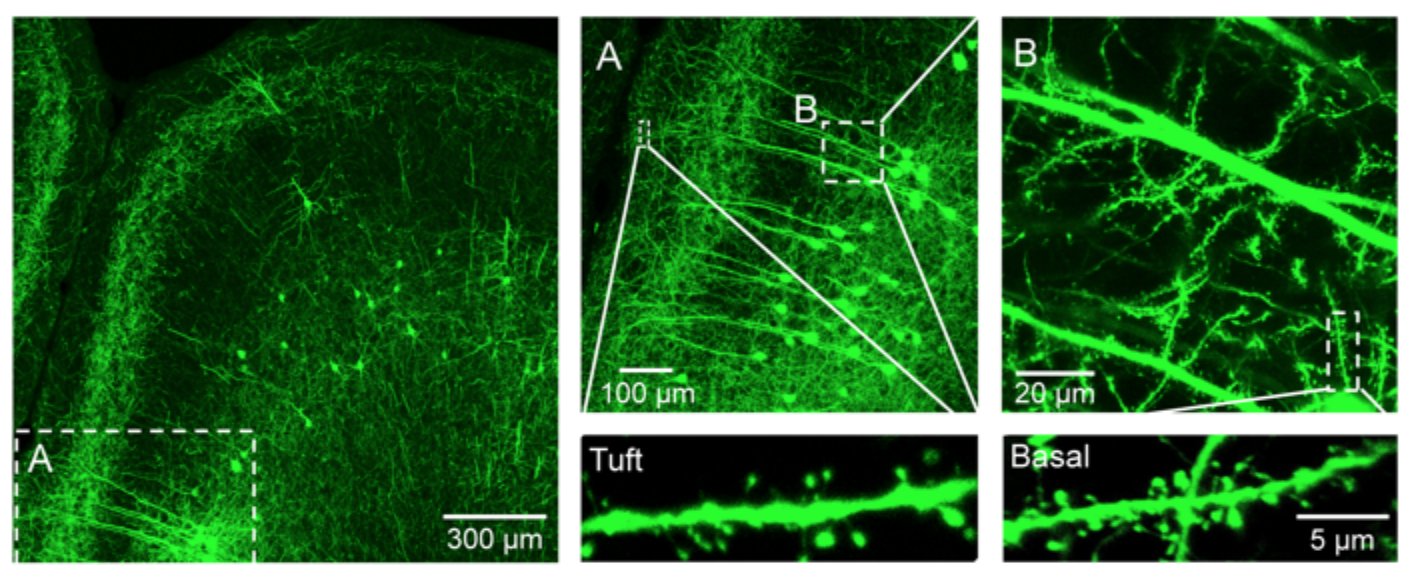
Using chronic two-photon microscopy the researchers imaged the synaptic architecture of the medial frontal cortex in a number of mice. The imaging focused on the number and density of neuronal connections, called dendritic spines. Seven imaging sessions were conducted, beginning before a single dose of psilocybin was administered and stretching up to a month after.

Within 24 hours of that single psychedelic dose the researchers detected increases in dendritic spine size and density. These changes were noted as occurring extremely quickly and also unexpectedly enduring.

One month later a small amount of these new neuronal connections were still present. Alex Kwan, senior author on the study, says it was surprising to see just one dose of psilocybin lead to persistent structural change in the mice brains.

"We not only saw a 10 percent increase in the number of neuronal connections, but also they were on average about 10 percent larger, so the connections were stronger as well," says Kwan. "It was a real surprise to see such enduring changes from just one dose of psilocybin. These new connections may be the structural changes the brain uses to store new experiences."

Eue6hW5XYAI6Qgl

Administering psilocybin caused ~10% increases in spine density and spine head width, effects that were observed within 1 day of injection. Some of the newly formed spines persisted 1 month later.

Alongside these structural changes the researchers note functional and behavioral changes were also detected in the animals following the single psilocybin dose. Increased excitatory neurotransmission in the frontal cortex was measured in the mice and stress-related behaviors reduced. This finding suggests these structural brain changes could play a role in some of the therapeutic benefits seen with psychedelics.

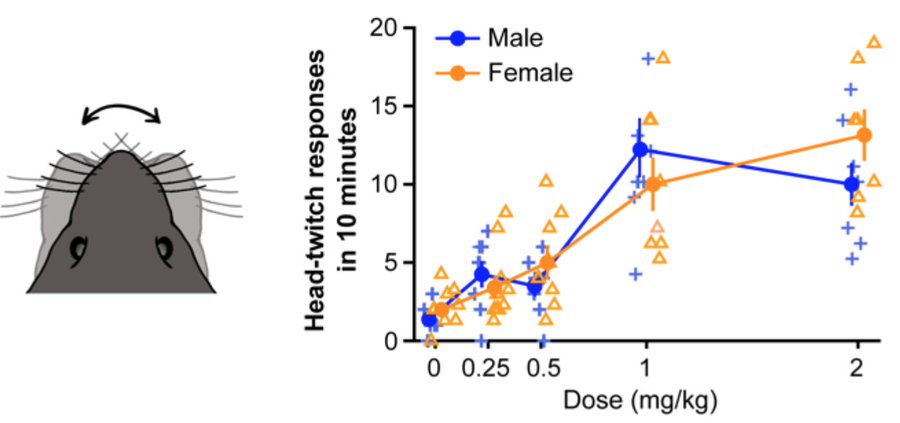
Perhaps most interesting is the study’s attempt to disassociate the structural brain changes caused by psilocybin from the drug’s acute psychedelic effects. The researchers used a drug called ketanserin to block 5-HT2 receptors, the pathway by which many believe psychedelic drugs induce their acute “trippy” effects.

Ketanserin effectively stifled head-twitch responses in the animals, which is the primary observational measurement used to track acute psychedelic sensations in mice. But the ketanserin did not block any of the psilocybin-induced brain plasticity changes.

“The possibility to disrupt psilocybin’s acute behavioral effects without abolishing structural plasticity actions has clear implications for treatment in the clinic,” the researchers hypothesize in the study. “However, it is not yet clear if the results will extrapolate to humans.”

Whether the therapeutic actions of psychedelics can be separated from the acute effects is perhaps one of the biggest unanswered questions in psychedelic science. The researchers do note ketanserin is known to only block around 30 percent of 5-HT2 receptors in rodents so it is certainly possible the neural plasticity induced by psilocybin is still mediated through that pathway. A lot more work will be necessary to understand exactly what is going on here, and the jury is certainly still out on whether these psychedelic drugs can generate therapeutic effects without generating an acute psychedelic experience.

The research is the first to directly demonstrate these specific structural neural changes induced by psilocybin in a mammal brain. Another very recent study looking at the effects of a single psilocybin dose in a pig brain saw similar signs of psychedelic-induced neural plasticity. That research saw psilocybin increase levels of a key protein known to enhance neuroplasticity.

The new study was published in the journal Neuron.

Source: Yale University

*From the article here :
 
WD.jpg


How psilocybin works on the brain

Frederick Barrett, Samuel Krimmel, Roland Griffiths, David Seminowicz, Brian Mathur | Johns Hopkins Medicine | 5 Jun 2020

To see how psychedelics impact the claustrum, a mysterious region of the brain believed to control the ego, researchers compared the brain scans of people after they took psilocybin with their scans after taking a placebo.

Perhaps no region of the brain is more fittingly named than the claustrum, taken from the Latin word for "hidden or shut away." The claustrum is an extremely thin sheet of neurons deep within the cortex, yet it reaches out to every other region of the brain. Its true purpose remains "hidden away" as well, with researchers speculating about many functions. For example, Francis Crick of DNA-discovery fame believed that the claustrum is the seat of consciousness, responsible for awareness and sense of self.

What is known is that this region contains a large number of receptors targeted by psychedelic drugs such as LSD or psilocybin ¾ the hallucinogenic chemical found in certain mushrooms. To see what happens in the claustrum when people are on psychedelics, Johns Hopkins Medicine researchers compared the brain scans of people after they took psilocybin with their scans after taking a placebo.

Their findings were published online on May 23, 2020, in the journal NeuroImage.

The scans after psilocybin use showed that the claustrum was less active, meaning the area of the brain believed responsible for setting attention and switching tasks is turned down when on the drug. The researchers say that this ties in with what people report as typical effects of psychedelic drugs, including feelings of being connected to everything and reduced senses of self or ego.

"Our findings move us one step closer to understanding mechanisms underlying how psilocybin works in the brain," says Frederick Barrett, Ph.D., assistant professor of psychiatry and behavioral sciences at the Johns Hopkins University School of Medicine and a member of the school's Center for Psychedelic and Consciousness Research.

"This will hopefully enable us to better understand why it's an effective therapy for certain psychiatric disorders, which might help us tailor therapies to help people more."
Because of its deep-rooted location in the brain, the claustrum has been difficult to access and study. Last year, Barrett and his colleagues at the University of Maryland, Baltimore, developed a method to detect brain activity in the claustrum using functional magnetic resonance imaging (fMRI).

For this new study, the researchers used fMRI with 15 people and observed the claustrum brain region after the participants took either psilocybin or a placebo. They found that psilocybin reduced neural activity in the claustrum by 15% to 30%. This lowered activity also appeared to be associated with stronger subjective effects of the drug, such as emotional and mystical experiences. The researchers also found that psilocybin changed the way that the claustrum communicated with brain regions involved in hearing, attention, decision-making and remembering.

With the highly detailed imaging of the claustrum provided by fMRI, the researchers next hope to look at the mysterious brain region in people with certain psychiatric disorders such as depression and substance use disorder. The goal of these experiments will be to see what roles, if any, the claustrum plays in these conditions. The researchers also plan to observe the claustrum's activity when under the influence of other psychedelics, such as salvinorin A, a psychedelic derived from a Mexican plant.​

 
Last edited:
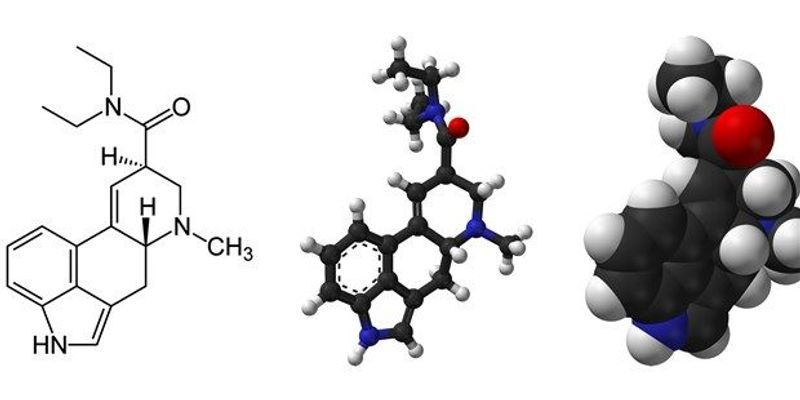
LSD-2D-skeletal-formula-and-3D-models.png

How LSD affects the brain

by Joshua Krisch | The Scientist

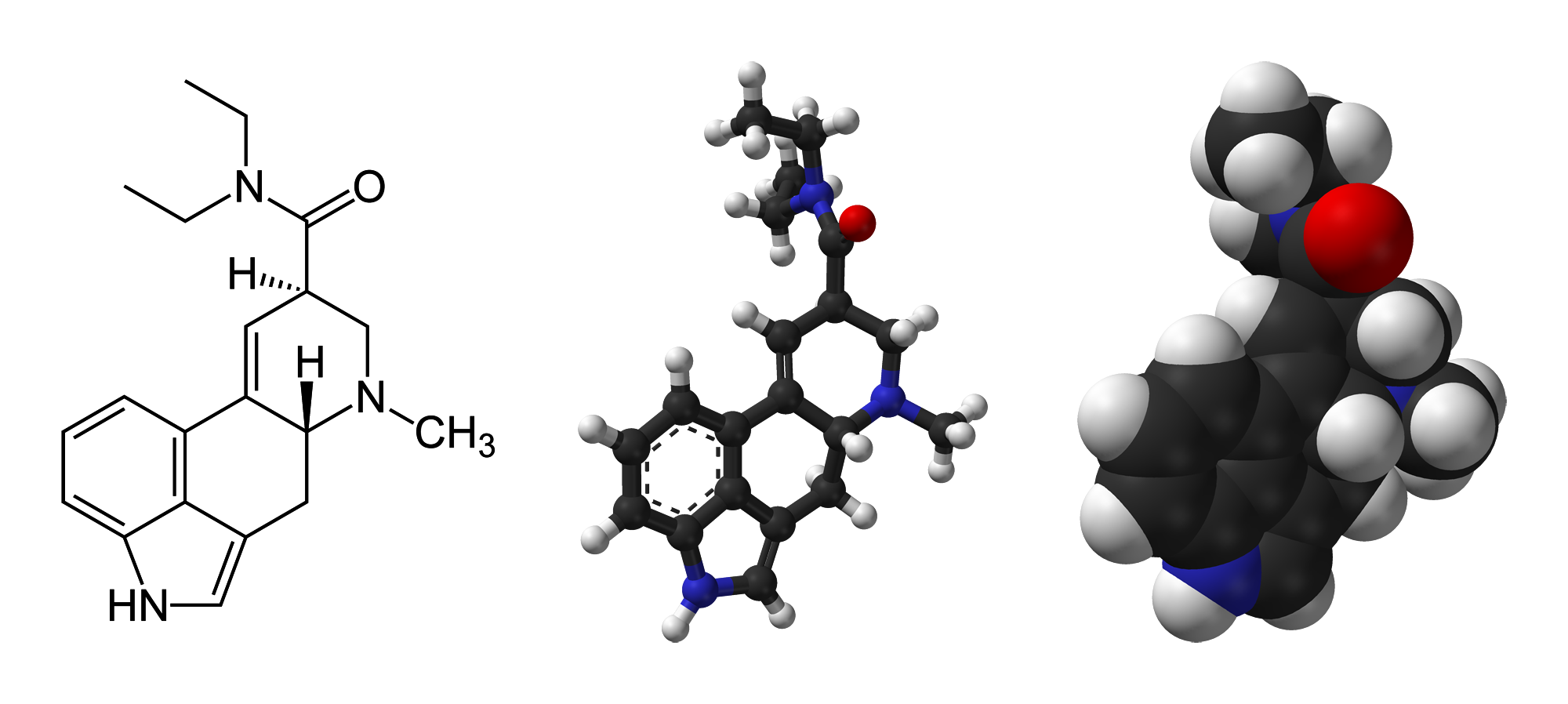
The psychedelic drug lysergic acid diethylamide (LSD) is known for its euphoric effects, and for inducing long “trips.” Now, in two studies published last week (one in Current Biology, the other in Cell), scientists have examined how LSD produces such diverse effects and why the drug takes so long to wear off. The results of both studies suggest that LSD’s effects are mediated by the serotonin 2A receptor, and that the drug is just the right shape to bind this receptor for extended periods of time.

For the Current Biology study, 21 volunteers were given a placebo, a small dose of LSD alone, or the same dose of LSD but with kentaserin, a serotonin 2A antagonist. Study participants who took the kentaserin reported virtually the same experiences as those who took the placebo, and fMRI brain scans confirmed similar brain activities across participants in both groups. "The serotonin 2A antagonist blocked all the effects of LSD, so it was like if people didn’t take any drugs,” coauthor Katrin Preller, neuroscientist at the Zurich University Hospital in Switzerland told The Verge. “All the typical symptoms—hallucinations, everything—were gone.”

For the Cell study, researchers imaged LSD binding various serotonin receptors, observing that the drug clings to these structures in a unique way. This could explain why the effects of LSD take some time to wear off. “What we saw is that the receptor is shaped a little bit like a vase, and it has a space in the middle where the LSD binds and there’s a lid above it,” coauthor Daniel Wacker of the University of North Carolina, Chapel Hill, told The Verge. “LSD has this unique property that it actually holds onto the lid. For many other compounds like serotonin, the lid remains rather flexible. Because LSD holds onto it, it really stays in there.”

pcblsd_withskull.jpg


Psychedelic neuroimaging

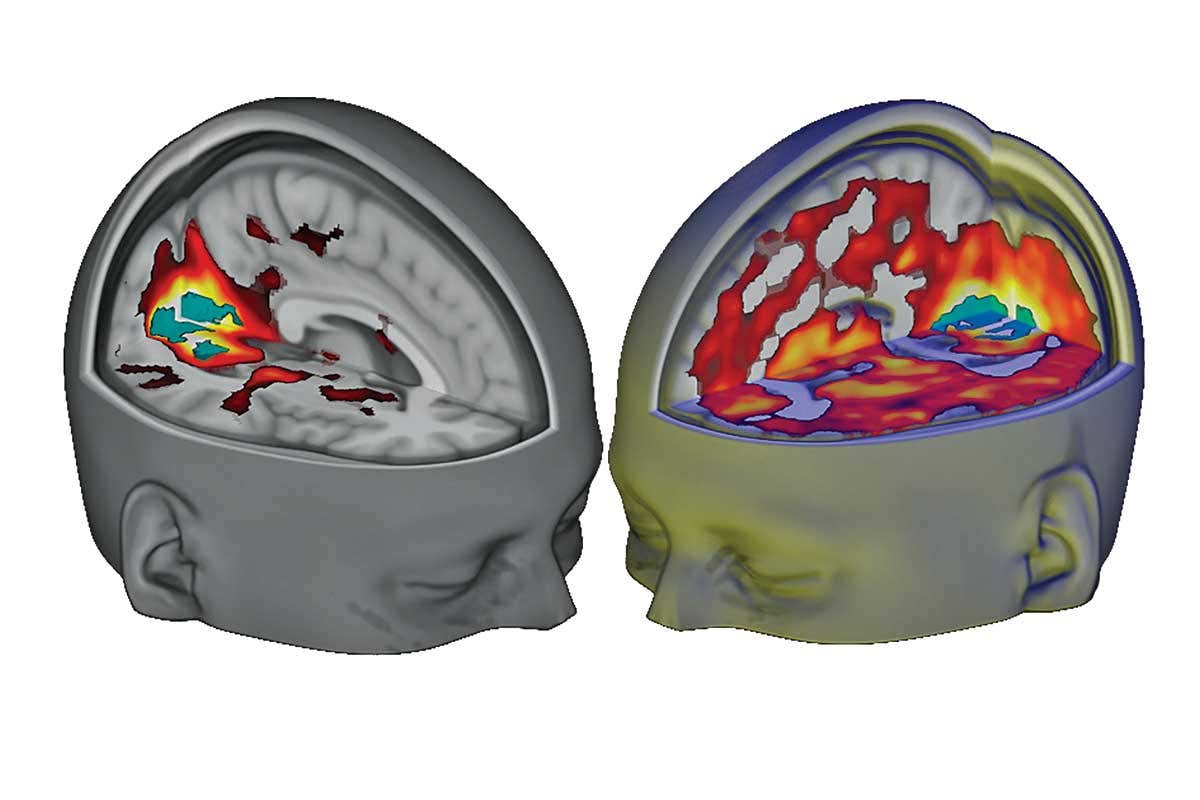
Two papers—one published in PNAS on Monday (April 11) and another in Current Biology today (April 13)—report how brain activity is altered in people given doses of lysergic acid diethylamide (LSD). Using two different brain imaging approaches, the authors of both studies detailed the particular changes in activity that associate with arguably the best-known effects of LSD: visual hallucinations and an increased sense of unity with one’s surroundings—referred to in the Current Biology paper as “ego dissolution.”

“This work is very important with regards to the insights it gives us on how hallucinogens, specifically LSD, affect the brain,” said psychiatrist and behavioral scientist Charles Grob of the University of California, Los Angeles, who was not involved in either study. “Now we have a better understanding of the neurobiological substrate for the psychedelic experience.”

Research into psychedelic drugs, such as LSD and psilocybin—the hallucinogenic component in magic mushrooms—took a nosedive in the 1960s and 70s, following the banning of these substances. “Research with humans was not occurring in the United States and Europe from then on,” said Grob. By the 90s and 2000s, research on these drugs started to slowly pick up, Grob said, reflecting a “greater receptivity on the part of the regulatory agencies to allow this sort of research.”

Previous studies have suggested that LSD, in combination with psychotherapy, could be effective treatments for alcoholism, anxiety, and tobacco addiction, among other things.

Aside from their potential clinical use, the drugs also offer insight into the nature of consciousness itself, said cognitive and computational neuroscientist Anil Seth of the University of Sussex, U.K., who also did not participate in the work. “One of the main ways to try to understand the neural basis of consciousness is to try to induce different kinds of experience and see what happens in the brain,” he said, and “LSD is a very potent way of manipulating somebody’s experience of the world and of themselves.”

To examine LSD’s effects, Imperial College London’s David Nutt and Robin Carhart-Harris together with their colleagues recruited 20 healthy volunteers, all of whom had reported taking a psychedelic drug at least once before. The subjects were given injections of 75 micrograms of LSD—“equivalent to about one blotter of LSD taken orally and recreationally,” said Carhart-Harris—and then their brains were analyzed by functional magnetic resonance imaging (fMRI) and magnetoencephalographies (MEG). In addition, the volunteers were asked to rate various aspects of their experiences and to answer an Altered States of Consciousness questionnaire. As a control, the subjects’ brains were analyzed a couple of weeks before or after the LSD analyses, at which point they were given a saline placebo injection.

Connecting the participants’ ratings and questionnaire answers to the imaging data, the team found that LSD-induced visual hallucinations correlated with an increase in cerebral blood flow to the visual cortex, a pronounced increase in connectivity between the visual cortex and other brain regions, and a decrease in the power of visual cortex alpha waves, which are thought to generally inhibit neural activity. The authors suggested that this reduced alpha power may allow uninhibited visual cortex activity, which—together with the increased connectivity between normally unrelated brain regions—could help explain the subjects’ ability to visualize unusual images even with their eyes closed.

Aside from the increased connections with the visual cortex, LSD induced a global increase in connectivity across the brain, which was correlated with the participants’ sense of ego dissolution. In contrast, connections within specific systems, such as the default mode network, appeared to reduce.

“If you look at connectivity within [known] systems, what you see with both psilocybin and LSD is a weakening of connections,” said Carhart-Harris. “But when you look at the relationships between the different systems . . . they relate to each other much more.” Overall, the result appears to be a “unified, more integrated brain,” he said.

"Understanding the neurobiological basis of ego dissolution is particularly interesting, because this break down of self-referential processing may be the driver of clinical change,” said cognitive neuroscientist Fred Barrett of the Johns Hopkins School of Medicine in Baltimore who was not involved in the work. Put another way, it is this ego-dissolving, mind-expanding aspect of the psychedelic experience that seems to be associated with the drugs’ treatment successes.

"It’s possible that psychedelic drugs offer a re-equilibration of connectivity,” said Grob. “Patterns of a [psychiatric] disorder are often entrenched,” he added, “and there maybe some value in loosening things up.”

*From the articles here :
 
Top