• Psychedelic Drugs Welcome Guest
    View threads about
    Posting RulesBluelight Rules
    PD's Best Threads Index
    Social ThreadSupport Bluelight
    Psychedelic Beginner's FAQ
  • PD Moderators: Esperighanto | JackARoe |

Esoteric HOSPICE

mr peabody

Bluelight Crew
Joined
Aug 31, 2016
Messages
5,943
Location
Frostbite Falls, MN
25937084-25937084.jpg


New law gives critically ill people the 'Right to Try' psychedelics

by Reilly Capps | 22 Jun 2018

So long as patients are trying a drug of their own volition and free will, no government should stand in their way.

The Right to Try Act lets people with life-threatening illnesses try experimental drugs, some lawyers assert. That includes mushrooms, LSD and ecstasy. One guy's already doing it.

With tumors in his spine that spread into his brain, unable to work and doctors unsure how long he has to live, Jerry (not his real name) is taking psilocybin mushrooms to deal with it.

Jerry tells Rooster Magazine that psilocybin helps him with the physical pain as well as the anxiety and PTSD that comes from the fear of dying.

And he's doing it legally, he believes.

This is an untested legal theory, but one that could open up a new front in the battle to legalize drugs.

And it's all based on a new law called the Right to Try Act. President Trump signed the bill in late May, which says that people who have a "life-threatening" illness can try drugs that aren't fully approved by the FDA.

Trump signed it surrounded by folks with cancer and a kid with a rare disease.

But psilocybin, MDMA (ecstasy) and LSD are also experimental drugs, that also have also been through the first phase of clinical trials at the FDA — and so are seemingly eligible for the Right to Try law.

Jerry's assertion that tripping for him is legal is supported by Denver for Psilocybin, which is pushing to legalize the drug in Denver. The Nowak Society, a Colorado nonprofit promoting responsible use of drugs, believes this as well after consulting with the cannabis law firm Vicente Sederberg.

Jerry isn't using his real name because while he believes what he's doing is legal, he's still afraid to go public. There have been no test cases on Right to Try. And he has to be vague about where he gets his mushrooms. But Jerry got the psilocybin approved by his doctor, as the law requires.

This fight mirrors one that happened during the early stages of the movement to legalize marijuana, when cancer and AIDS patients used weed to soothe their worst symptoms. Society listened, and carved out exemptions in the laws for them.

For Nowak board member Shannon Hughes, this is personal. In 2013, when her husband Teno — a former Marine with a charismatic personality — was 37, a stomach ache turned out to be colorectal cancer. He would be dead within a year and a half.

Teno was terrified. Searching online, he came across studies from Johns Hopkins Universities on psilocybin and death. Hopkins had 51 cancer patients take psilocybin. 80% of them said it helped them feel more optimistic and less scared of death. "He wanted to have an experience like that," Hughes said.

Back then, Hughes had no idea where to get mushrooms or how to do them. Today, thinking about the missed opportunity, Hughes tears up.

"What a gift this would have been for him," Hughes said.

Armed with the conviction that they've found a new legal way forward for folks like Teno — a way to let grass grow from a crack in the concrete, they say — The Nowak Society is working to build a network of people interested in testing the Right to Try law, so that more people besides Jerry can take advantage of the new law.

Interested parties are starting to line up.

Kim Mooney, for example, has been working in hospices for 22 years and runs a business called Practically Dying. She's sort of a death coach. After hearing from the Nowak Society about Right to Try, and attending an information session this week in Boulder, Colorado, she plans to tell her clients about the possibility.

"Most of them are saying, how do I get out of this without being afraid?" Mooney said. "This could easily be the step that could help people to transition."

For Jerry, the man with the life-threatening tumors, psilocybin works. He says Xanax and Valium just mask the symptoms of his end-of-life anxiety, while he feels the psilocybin is actually rewiring his brain. This is making it easier for him to live, which could make it easier for him to die.​

The Right to Try Act lets people with life-threatening illnesses try experimental drugs, some lawyers assert. That includes mushrooms, LSD and ecstasy. One guy's already doing it. With tumors in his spine that spread into his brain, unable to work and doctors unsure how long he has to live...
 
Last edited:
This is quite an old article now.

Things have evolved significantly all around the world.

In Australia, psilocybin and mdma have been already approved for use with a doctors prescription.

Additionally, my general sense is that the world has mostly moved on with the drug war.

You can see this by the sheer abundance, purity and ease of availability of most controlled drugs via darknet markets.

Most countries are preparing for a rather difficult future where less people need to cover the costs of an aging population.
 
First-ever-study-launched-to-explore-benefits-of-microdosing-LSD-730x410.jpg


Specialists investigate psychedelic therapy for those facing death

By Luke Slattery | The Age | Jun 22 2019

Palliative care, Building A, St Vincent's Hospital Melbourne, is not a place you want to be; not, at least, for any length of time. The terminally ill, bedridden for the most part when I visit on a grey autumn afternoon, are fighting for their lives and, at the same time, contending with the unimaginable fear of imminent death. Circling discreetly around them are specialists, clinicians and nurses in light blue uniforms, with clipboards and cannulas in hand.

I'm waiting for psychologist Margaret Ross and psychiatrist Justin Dwyer, who walk swiftly along the palliative care unit's sixth-floor corridor to greet me. Ross and Dwyer are at the centre of the country's first clinical trial of psychedelic drugs for treating severe depression in the terminally ill. Within a month, they will begin recruiting 40 depressed and incurable patients in an attempt to relieve their distress with a novel treatment: between one and two 25-milligram doses of synthetic psilocybin, the psychedelic ingredient found in "magic mushrooms", accompanied by intensive psychotherapy sessions.

The trial is part of a revolutionary shift in attitudes towards psychedelic drugs believed to have therapeutic benefits for treatment-resistant depression, post-traumatic stress disorder, and even commonplace addiction to alcohol or tobacco. Half a century after Woodstock, several illegal recreational substances are being recast as drugs of last resort, from psilocybin, marijuana and MDMA to ayahuasca, a psychedelic plant-based tea from the Amazon. LSD administered in high doses has lost favour among neuroscientists and therapists for largely practical reasons: its effects are too powerful, too unpredictable and too protracted.

Psilocybin, with its famed capacity to induce mystical experiences, is the focus of worldwide clinical trials. This compound, found in more than 100 species of fungi and once revered by the Aztecs who named it "flesh of the gods", is at the vanguard of attempts to tackle the despair and anguish of imminent death among the terminally ill. The depression many experience often makes it impossible to connect to family, friends, society, memory – self.

"Depression and anxiety in some cancer patients can be treated by meds, and others by talking therapy, but there are those who still face death with overwhelming fear," says Ross, who speaks rapidly, in sure-footed sentences, while her dark hair twists and falls over her shoulders. "We can't touch it. Some try to do it tough and you eventually discover huge reservoirs of fear, hidden beneath the surface. Many withdraw from friends and family, depriving themselves and their loved ones of this precious time."

Within palliative care wards, antidepressants have not been particularly useful in treating the dying. "Antidepressants tend to make people feel a little less awful," explains Dwyer, who has been working for 12 years at the intersection of psychology and palliative care and heads St Vincent's Department for Psychosocial Cancer Care. "One of the psychological problems is that when you get cancer, you are defined by cancer," he says as we pass by a pod of nurses. "What is happening to your body never leaves your mind."

"But with psilocybin, you can have an experience that enables you to reflect on the important things in life, to see life itself differently, and to have experiences where you no longer feel so tethered to suffering and to the body."

Forty-five-year-old Dwyer, who's wearing round-framed glasses and is clad
entirely in Melbourne black, describes the effect on patients as a "resetting" of the brain.

We cross from the palliative care unit to the oncology and haematology wards, where some patients are receiving high-risk chemotherapy that knocks out benign as well as malignant cells, lowering their ability to fight infection – fatally in some cases. "I see a lot of death," says Ross, as we head to the nearby lifts that will take us to their office. "Every one of the dead leaves a mark. I have a little essence of every one of them." A psychologist since 2004, Ross turns to me with a flash of steel behind her bright gaze: "You carry that. It's harrowing. Like ghosts," adds Dwyer.

Ross and Dwyer show me their office, a small reclaimed space personalised by the psych staff as a bulwark of normality against the reality of their daily work with the terminally ill. "We got a run-down sty and just tried to make the best of it," says Ross.

It's from here that the psychedelic drug trial will be planned, administered and assessed. There are shelves loaded with coffee, tea, chocolate and gifted bottles of wine. Three guitar cases and a portable synthesiser stand propped in a corner, alongside a taxidermied owl picked up at a flea market, a poster illustrating several species of fungi, from the edible to the downright deadly, a bottle of Moët, a bar fridge and a book of Freud's lectures with a doodled thought bubble floating beside the ear of the father of psychoanalysis that says, hip-hop style: "Tell me 'bout yo mama …" The doodle turns out to be Ross's work.

A 2006 study of 30 healthy volunteers at Johns Hopkins University in Baltimore came to the conclusion that psilocybin, when administered "under supportive conditions", could promote mystical and euphoric experiences. Roland Griffiths, the university's wiry, silver-haired professor of psychiatry and behavioural sciences, explains that most volunteers – none had prior experience of the drug – felt a mystical sense of "unity with all people and things" on their assisted psilocybin trip, along with a sense of the "sacred" and a "deeply felt" apprehension of "ultimate reality". Most rated their trip as one of the most significant events of their life, on par with the birth of a child or the death of a parent.

A decade later, Professor Griffiths again shook the medical and psychiatric communities when he published results from a similar trial involving 51 cancer patients suffering acute despair. The study showed that 80 per cent of volunteers who received psychological counselling together with a high dose of psilocybin – 25 milligrams – had significant reductions in death-related anguish. The remaining 20 per cent reported no significant lessening of their symptoms, but no worsening. Adverse side-effects were in some cases physical – hypertension, headache and nausea – and in some psychological: fleeting anxiety and paranoia. "But all these symptoms were temporary," Ross says. "No rescue medication was required."

This 2016 study, and another the same year reporting similar results from New York University (NYU), was the catalyst for Ross to act. She and Dwyer, specialists in the treatment of psychological trauma among cancer patients, hope that the drug's mystical ego-dissolving effects will help release the terminally ill from depression's grip in order that they might face death with equanimity.

"I could see from these studies that after one dose of psilocybin, death anxiety declined," says 42-year-old Ross. "Optimism rose. And the benefits were sustained for at least six months. Nothing in psychology comes close to that!" she adds, her voice vaulting an octave. It's a view echoed by Griffiths, who describes the results as "unprecedented within the field of psychiatry".

At the hub of the brain's hardware is a "Default Mode Network" (DMN), Ross explains. It appears to be most active when people are both sedentary and reflective – as the ill tend to be – and is deeply involved with story-telling. Stories can, as writers so often attest, take on lives of their own. And this is especially true of the brain, the primal author. "When you have depressive ruminations and anxiety, you can get into some very rigid patterns of thinking," Ross says. "And rigid, pessimistic self-talk is a hallmark of depression."

Psilocybin stills this network, lulls it to sleep, promoting what Ross calls "the possibility of new ways of thinking, new perspectives." When the DMN is quietened, the doors of perception are unlocked and flung open. "It is deeply personal and allows reflection that's a little more free and profound, and that's perhaps why they've had to date such phenomenal results in the overseas trials," she says.

Experiments with a synthetic version of psilocybin began in earnest in 1960 at Harvard University under psychologist Timothy – "Turn on, tune in, drop-out" – Leary. Three years later, Leary and his assistant were sacked by Harvard, following concerns that their methods were slipshod and undergraduate volunteers were at risk. But the psychedelic genie had been released from the lab. Within a few short years, cannabis, psilocybin, LSD, violent war protests, generational disaffection and Leary himself – who had by then become a high priest of the counter-culture – were one and the same problem.

Banned in the US in 1968, psilocybin was added to a list of drugs prohibited by the 1971 UN Convention on Psychotropic Substances. Researchers had by then concluded that its risks, which include paranoia and anxiety, outweighed any potential benefits. In Australia, it's classified as a Schedule 9 substance; an illicit drug. Over time, however, researchers with an interest in the treatment of mental illness have picked up Leary's abandoned thread, and there is a powerful move afoot to make peace with the outlaw drug.

In last year's bestseller How to Change Your Mind: The New Science of Psychedelics, Michael Pollan writes of his own modest psychedelic journeys – three recent trips on different drugs are detailed in the book – as a wide-angle lens "through which we can glimpse the subject-hood – the spirit! – of everything, animal, vegetable, even mineral … Spirits, it seems, are everywhere."

I reach Pollan in San Francisco, where the journalist and food writer is preparing for an Australian tour next month to promote the paperback edition of How to Change Your Mind. The book is part science journalism, part autobiography, part cultural history and part advocacy: it proclaims a "renaissance" of psychedelic research that might heal mental illness and unravel the mysteries of consciousness. "There hasn't been much good news about psychedelics for the past 40 years," Pollan tells me. "But the new cycle of scientific tests has changed that."

The book might not have been written if he hadn't spoken to the volunteers of the 2016 Johns Hopkins and NYU psilocybin trials, his curiosity piqued by word of a new wave of psychedelic research. "Many of them had terminal diagnoses, while some had a terrifying fear of recurrence of their cancer, which had been treated," he says. "But they all had paralysing levels of anxiety and depression, and in about two-thirds of them this was lifted by the drug experience. I ended up talking to people who had completely lost their fear of death. It was quite remarkable."

While the patients in these trials had experiences as various as their own individual dispositions, the cancer patients shared a similar inward trajectory. "They would travel into their body imaginatively and encounter their cancer, and, in the particular case of one woman, her fear. She had had ovarian cancer and was terrified of recurrence, and during her trip, she travelled into her body and saw a black mass under her ribcage; she knew it wasn't her cancer because it wasn't in the right place, but she recognised it as her fear. So she screamed at it."

"She screamed
'Get the f... out of my body!' And as soon as she did, the black cloud evaporated and so did her fear, and she has not been fearful since. She said that while she couldn't control her cancer – it was either going to come back or not – she could from that day control her fear. And it was exactly what she needed."

Pollan believes this kind of visual, or symbolic, encounter is something the cancer patients in the St Vincent's trial can expect. Ross describes her proposed 25-milligram dose as a "decent measure; we don't want it to be overwhelming but neither do we want it to be underwhelming." With this relatively high dose, Pollan predicts, "the mind is going to go where it wants to go, and you're going to have visions and memories and encounters with people and literally travel in your head to places."

The more conventionally religious among the patients may have imagined encounters with their personal deity, Pollan says, while others may have a powerful sense that a part of them will survive their death. In his own experience, "I had a feeling of a very strong connection with nature and other people," he says, "a powerful current of love." He suspects that the mystical experiences reported in the earlier US trials were, in part, coloured by cultural background. "The American therapists who started all this had a more spiritual orientation," he says. "The English are kind of allergic to spirituality. I'm looking forward to seeing what happens to the Australians."

Pollan is aware that sceptics accentuate negative drug-induced experiences such as panic attacks, hallucinations, nausea and irrational behaviour: a 12-year-old boy in Britain was found running in front of passing cars after taking magic mushrooms. But Pollan points to the difference between a precisely measured dose of psilocybin administered in a hospital, and magic mushrooms taken at a party or a rock concert. He recalls his own recent experiences: "Was I seeing things that weren't there? Yes. Were my senses confused? Yes. I felt I could touch musical notes." But he emerged from the experience with an intense sensation of oneness with the world. "I came out of it feeling that consciousness was much more evenly distributed over species than I had thought," he says.

Pollan is not, on the other hand, dismissive of the dangers. "Of course, there is a dark side. People do have terrifying experiences. They can run up against existential despair and a sense of nothingness. But when people are adequately prepared, the dark experiences can even be productive. Researchers tend to use the word 'challenging', rather than 'bad', trip; and I think they really mean it. But if you're alone and you're thrown into this hellish underworld, it can induce a panic attack and leave you really rocked. You shouldn't mess around with these drugs."

Atmosphere, mood and setting are all important. As is music. For Pollan, listening to a Bach cello suite performed by Yo-Yo Ma "had the unmistakable effect of reconciling me to death … I felt as if I'd passed beyond the reach of suffering and regret."


chronic-pain.jpg


On the day I visit Ross and Dwyer at St Vincent's, they admit to a delay in the trial as they await a shipment from the UK of synthetic psilocybin in tablet form. Ross jokes about the fun she'll have furnishing the most chilled space in Melbourne – the only one dedicated to the legal exploration of psychedelics – with stuff from Ikea and Ishka. Two qualified therapists – Ross and Dwyer in the first instance – will assist and monitor them for the entire six-hour trip.

"We'll be as unobtrusive as possible," says Dwyer. "It's not like we'll be saying every few minutes, 'Soooo, how are you feeling?' The patients lead and we follow. A critical part of the treatment, he says, "is that the experience is supported with psychological therapy before and after. This may be the most important part."

Ross nods enthusiastically. "Think of the psychotherapy as the secret sauce," she says. "People often think that it's just the psilocybin that creates lasting change, but it's actually the psychotherapy scaffolding the dose sessions. There are three standard preparatory sessions, the dose day and three integrative sessions post that dose session." The follow-up psychotherapy is designed to integrate the experiences in meaningful ways that "help leverage more enduring changes in mood, thinking and behaviour. The psilocybin facilitates it; the psychotherapy weaves it into their psyche in a lasting way."

Ross worked in clinical trials prior to her doctorate, and afterwards was a research fellow in the Department of Psychiatry at the University of Melbourne. A specialist in complex trauma, psycho-oncology and palliative care, she takes both the nuances and the ethics of data collection and analysis with the utmost seriousness. But the trial is not without its reputational risks, and colleagues have warned her that researching a psychedelic compound might spell career death. "I consoled myself with the thought," she says with an impish smile, "that a career in floristry wouldn't be so bad."

In Australia the psychedelic "renaissance", to use Michael Pollan's term, has really only begun with this year's psilocybin trial at St Vincent's. But last year, the US Food and Drug Administration (FDA) cleared the way for a global study of MDMA (the main ingredient in ecstasy) for the treatment of trauma. Meanwhile, psilocybin-assisted therapy has been given "breakthrough" status by the FDA, accelerating, legitimising and extending research efforts. Trials involving 400 patients have begun in Europe and North America into the use of psilocybin for drug-resistant depression.

The Australian Medical Association, meanwhile, is keeping a close eye on the psychedelic trials abroad – and now at home. "There's emerging evidence that looks promising," says the body's spokesman on psychiatry, University of Queensland professor of psychiatry Steve Kisely. "We need more work on it."

Also sounding a cautionary note is Dr Gillinder Bedi, head of substance use research at Orygen, the National Centre of Excellence in Youth Mental Health in Victoria. Orygen is a not-for-profit company specialising in youth mental health and Bedi, a clinical psychologist, warns that some advocates for psychedelic therapy lack experience with mental health research.

"Mental ill health is very complicated and we need to investigate a full range of responses to this kind of suffering," she says. "I really worry about the sense coming from some quarters that the psychedelic approach is going to be a panacea to modern society's ills, and will shift the paradigm in mental illness. It strikes me as quite similar to the previous approach, that these drugs are totally bad – a few years back, we were being told that ecstasy puts holes in your brain – just from the other side. It'd be really nice to have a more middle-ground approach."

She is not an opponent, she adds, of the St Vincent's trials. On the contrary, she is calling for "bigger studies on a broader scale", and at the same time a strong focus on the "potential risks" for the young.

Ross and Dwyer are acutely aware that their trial needs to be clinically rigorous and above reproach. Patients will be carefully selected, screened and profiled before they go anywhere near the drug, and afterwards they will be thoroughly monitored. Those with a history of psychosis, bipolar disorder, a familial history of schizophrenia, or complex trauma will be turned away. "And we don't know enough about the impact of psilocybin on adolescents, so for safety reasons we can't include patients under 18," says Ross. "Even under medical supervision, these drugs aren't for everyone." Some patients in the first stage of the trial will be given a placebo.

Already, 100 terminally ill people have made contact with Ross, seeking help. She shares with me an edited email from a woman who writes of her cancer metastasising and her poor prognosis, her daily struggle with "death anxiety", and her use of medication to "manage panic episodes". The unnamed patient has read about the possible benefits of psilocybin, but is "too cautious" to try it outside a hospital.

Clinical trials have found that the psilocybin experience is enhanced by eyeshades – focusing the attention inward – and music. The hospital has compiled a playlist to match the drug's lift-off stage, its peak and its taper.

"White Rabbit is a must-have," I suggest, referring to the classic Woodstock song by Jefferson Airplane. Dwyer shakes his head. "More ambient stuff," he says. "Everything from German electronic music to classical. Some world music, too. We've been looking for things that are unlikely to trigger memories or associations."

So "eye-wateringly good" were the results from Johns Hopkins and NYU, along with a smaller study at Imperial College, London – these revealed clear changes in brain activity among depressed people after a single dose of psilocybin – that Ross assumed that the trials would soon be replicated in Australia. She waited. But nothing happened. Meanwhile, non-profit body PRISM (Psychedelic Research in Science and Medicine), established in 2011 in the hope of contributing to the burgeoning international research in the field, made a couple of attempts to sponsor trials, one at Deakin University. They failed. Progress stalled.

In December 2017, the organisation's president, research scientist Martin Williams, spoke about the state of play in psychedelic research at a conference in Melbourne, and in the audience that day was Ross. Afterwards, she emailed Williams, a post-doctoral research fellow in medicinal chemistry at Monash Institute of Pharmaceutical Sciences, to talk about the possibility of a local trial.

Williams has a clear recollection of Ross's email. "She said, 'Look, I'm a clinician. I've seen the research, I want to research this here in Australia for my terminally ill patients. Can you help me?'" The two met the next day over coffee, and then worked on the trial protocol for eight months. When it received ethics approval from St Vincent's, Williams recalls, "nobody was more surprised than we were. But we worked hard and made it bloody difficult for them to say 'No'."

PRISM provided funding to kickstart the trial – most of the money is coming from the hospital itself – and things started to move. State and federal government approval followed. But Ross wonders if she'd have managed to push her proposal forward without the release, last year, of Pollan's book. "I'm not sure this would have happened without Pollan," she says. "His book started to be widely read just as the decisions were being made. I owe that guy."

It may be premature to talk, as Pollan does, about a "renaissance" in psychedelic science that might heal mental illness and redefine our understanding of consciousness itself. The test results to date have been promising, but the volunteer groups remain small. Any long-term negative impacts need to be fully gauged. Unless psychedelics prove effective in the treatment of depression in all its varieties – something that even Pollan doubts – a psilocybin pill to banish the everyday blues seems a long way away.

Ross is keen to stress that she is investigating the effects of the drug, not presupposing an effect. "I need to underline the fact," she cautions, "that we're doing trials. We need to be level-headed."

 
Last edited:
I saw Margo Ross present on the findings of some of the research that they had done a few times and when she presented at garden states everyone in the room was really moved by how some of the peoples transformations about their fear of dying by the time they were on there death bed and also showed how succesful their research was along with how important pre and post work with psychedelics can be important to get the best integrated result.
 
10890267204_bddaaf7b77_c.jpg


Psychedelics and end-of-life anxiety


Few things are as frightening interesting as facing ones own mortality, and the challenges of grappling with the existential make the everyday problems of sickness and pain even more challenging. Terminally ill patients with advanced cancer or other diseases are understandably prone to depression and anxiety, which makes difficult circumstances considerably more difficult for them and their families. To ease this end of life transition, doctors have been researching the therapeutic value of psychedelics as a catalyst for emotional catharsis and acceptance that can allow patients to better come to peace with their situation. Such research gives us a chance at a major and meaningful breakthrough.

This research first started in the 60s with psychiatrist and psychedelic therapy pioneer Stanislav Grof who found very promising results before the cultural backlash against psychedelics made further study impossible. Today, this research is continuing under the guidance of leading edge Swiss and US researchers who are using psilocybin and LSD in clinical trials with terminally ill patients.

Psilocybin

Dr. Charles Grob, researcher and psychiatrist at the UCLA Medical Center, has studied the effects of psilocybin or magic mushrooms in end of life treatment for terminal cancer patients. The study involved 12 subjects who were dying of end-stage cancer. Grob's process involved the double-blind administration of either the psilocybin or a placebo, and gave the patients 7 hours to go on an inward journey in a safe environment with regular checkups by trained staff. After the session, patients were asked to describe their experiences and their levels of anxiety were measured.

The results of Grob's study were highly encouraging. While many of the patients underwent challenging moments during their psychedelic journey, they were cathartic and therapeutically valuable parts of the experience. Grob concluded that psilocybin was safe to administer in such an environment, and that it lead to a significant reduction in anxiety at 1 and 3 months after treatment. He further asserted that the results support the need for more research in this long-neglected field.

LSD

Another psychedelic being studied for end of life care is LSD. Swiss scientist Dr. Peter Gasser recently completed the first controlled trial of LSD in over 40 years, and it too produced very encouraging results. Like the psilocybin study, Dr. Gasser's LSD study involved 12 terminally-ill patients who underwent psychedelic journeys in a controlled and safe environment. Gasser's patients described emotional roller coasters and mystical experiences that put their end of life transition in a new light. For those patients who received full doses of LSD, their anxiety went down, and stayed down for a year or more after treatment.

New hope for the hopeless

Gasser and Grobs research on psilocybin and LSD should be a wake up call for doctors, caregivers, and families that are dealing with terminal illness. Their studies illustrate that these psychedelics are safe to administer in a proper environment, and they offer highly valuable introspective journeys that lead to measurable positive benefits, such as anxiety reduction.

Caring for those who are facing the end of their life and easing their stress is incredibly important both for the individual and their family. It is universal, and every culture has worked to ease this transition and to make it more understandable. End of life therapy is potentially entering an exciting new stage. It is wonderful news that we are once again studying and embracing psychedelics as important healing tools in these scenarios.​

https://psychedelictimes.com/psyched...-life-therapy/
 
Last edited:
Electronics hacked and psychological

Abuse leading to me having a heart attack and unable to be allowed to see doctor.

And I’m sure smoke and mirrors
 
07-3__07329.1486682863.jpg


The people turning to psychedelics on their deathbeds*

by Kevin E G Perry | The Independent | 5 Nov 2021

Research from Johns Hopkins and NYU suggests that psychedelic drugs can significantly reduce pain and distress for those with terminal illnesses. As the British government faces calls to reschedule these substances, Kevin E G Perry talks to some of those who’ve already chosen to take the trip.

Thomas Hartle is an unlikely psychedelics adventurer. The 53-year-old father of two from Saskatoon, Canada, describes himself as being “about as ordinary and boring as white bread.” Until a few years ago, he had never even considered taking any sort of illegal substance. “I grew up in the ‘This is your brain on drugs’ generation,” he tells me when we speak over a video call, referring to the notorious anti-drugs campaign launched in 1987 that featured that memorable slogan over the image of an egg frying on a skillet. “I considered that whole class of drugs as not just unhelpful, but as something that ruins people’s lives.”

In 2016, Hartle was diagnosed with stage four colon cancer. He went through multiple rounds of chemotherapy and radiation treatment, but the cancer returned in August 2019. Faced with the very real prospect of death, he decided to seek out new ways of coping. It was then he remembered research he’d come across online, published by Johns Hopkins Medicine in 2016, which suggested (via a small sample of 51 patients) that therapeutic use of psilocybin – the active ingredient in magic mushrooms – could help decrease depression and anxiety in patients with life-threatening cancer.

Last year, Hartle wrote to Canada’s Ministry of Controlled Substances to ask for a legal exemption to try psilocybin for himself. He was one of four patients in the country to be granted permission and became the first Canadian to legally experience a psychedelic therapy session on 12 August 2020. The results were immediate, and measurable. The day before, Hartle had registered 36 on the Beck Anxiety Inventory, on which any score above 25 is considered ‘severe anxiety’. The following day, using the same metric, he scored six, considered ‘minimal’. “I knocked 30 points off my standing level of anxiety,” says Hartle, “And that really lasted for a very long time.”

For Hartle, the benefits of psilocybin therapy went far beyond simply reducing his fear and anxiety over dying. He says he found the experience itself to be a profound one, and that it gave him new belief in the possibility of life after death. “My views on death have really changed tremendously,” he says. “Before, life after death was a sort of academic, intellectual concept, whereas now it feels tangible. I’ve physically experienced states of consciousness that have nothing to do with this life or anything that I would identify with ‘Thomas’.”

Hartle is not alone in reporting this kind of positive response. Laurie Brooks, a 53-year-old from Abbotsford, British Columbia, was another of the original group of four patients granted permission to try psilocybin therapy in Canada last year. She also has colon cancer, and in August 2019 her doctors told her she may only have six months to a year to live. It was then she became interested in psychedelic therapy. “If this was it for me, I didn’t want to be crying and depressed,” she says. “So I did my trip, and it was such a profound change. I went from feeling desperate, alone and grief-stricken to the next day feeling as if I were able to see my cancer in a box beside me on the floor. I felt in control, rather than it controlling me, and that made a huge difference. A lot of healing has come from that.”

Psilocybin was banned globally as part of the UN Convention on Psychotropic Substances in 1971, primarily for political reasons as psychedelics were considered a destabilising influence which threatened established cultural norms. Very little research was done into the potential of psychedelics for the next two decades, but since the early Nineties there have been a resurgence in clinical trials and the approach to psilocybin is now more lenient in some other countries. As well as the compassionate use allowances that gave Hartle and Brooks access to psychedelic therapy in Canada, several areas of the United States have already relaxed legislation around psilocybin. City councils in Denver, Colorado and Oakland, California have both decriminalised magic mushrooms, while in November last year Oregon became the first state to legalise the use of psilocybin for a two-year window for both recreational and therapeutic use.

Psilocybin is a Class A drug in the UK. It is also listed as a Schedule 1 drug under the Misuse of Drugs Regulations (along with substances like MDMA and LSD), which means it cannot be lawfully possessed or prescribed and that a Home Office licence is needed before it can be used in research. Despite the optimistic results of some recent research, sample sizes have been small. Although it is not considered an addictive drug, the potential for a “bad trip” remains, during which users may experience disturbing hallucinations, panic, delirium and psychosis. Some users may even experience Hallucinogen Persisting Perception Disorder (HPPD), often referred to as flashbacks, involving perceptual changes lasting weeks or months which can require medical attention.

But pressure is growing on governments around the world to allow greater research into psychedelic therapy in general. Campaigners like Conservative MP Crispin Blunt are calling for psilocybin to be moved to Schedule 2, which would enable the drug to be used in scientific and medical research. Last month, Mr Blunt called on Boris Johnson to “cut through the current barriers to research into psilocybin and similar compounds” in the UK.

In response, the Prime Minister said only that his government will “consider the Advisory Council on the Misuse of Drugs’ recent advice on reducing barriers to research with controlled drugs such as the one he describes, and we will be getting back to him as soon as possible.” British government pronouncements on this subject often resemble a classic Catch-22: They will allow further research only once further research has been done.

"I’ve interviewed patients who have used psychedelics and what I hear from them is that it allowed them to talk about scary things." - Dr Anthony Back, Director of Palliative Care at the Seattle Cancer Care Alliance

These developments have been welcomed by medical professionals like Dr Anthony Back, the director of palliative care at the Seattle Cancer Care Alliance and a professor of medicine at the University of Washington. Dr Back has spent years studying the way that doctors communicate with patients who are at the end of their lives, and believes the current system often fails both parties. After reading the psilocybin research from Johns Hopkins, as well as a similar study at NYU, Dr Back decided to investigate for himself.

“I arranged to have an underground experience with psilocybin. That experience made me think: ‘Wow! There is really something to this. It really is a game changer.” His own positive experience has been mirrored by the patients he’s spoken to. “I’ve now interviewed a bunch of patients who have used psychedelics, both in studies and underground, and what I hear from them is that it allowed them to talk about scary things,” he says. “Usually, our defences go up when we try to talk about these subjects. It turns out, unlike what our egos normally think, that actually we aren’t destroyed if we talk about death. In fact, something really important and even beautiful can happen.”

iStock-1200558585.jpg


Dr Back offers some insight into how psychedelics are able to have such a transformative impact on brain function. One important aspect is that they physically reduce blood flow to what’s known as the ‘default mode network’. “The default mode network is where all of our stories about ‘me’ are created. ‘I’m the kind of person who likes this’, ‘I’m not the kind of person who does that’,” explains Dr Back. “What psychedelics do is disrupt all those usual little stories that we have about ourselves. All of a sudden, we’re able to make connections between things that are already in our brains but that aren’t usually connected. Psychedelics give you a window of time when you can make all these different connections that are outside of your usual habits of thinking.” This description rings true to Thomas Hartle, who offers a metaphor. “It’s the equivalent of fresh, fallen snow,” says Hartle. “Where all the old pathways used to be, there’s now this fresh covering.”

"It’s the equivalent of fresh, fallen snow. Where all the old pathways used to be, there’s now this fresh covering."
- Thomas Hartle

Part of the reason some doctors and patients are so intrigued by psychedelic therapy is that they believe it provides a form of treatment which conventional medicines simply can’t offer, as the San Francisco-based physician Dr Shoshana Ungerleider explains. “As MDs, when we see somebody anxious or distressed, we prescribe them medicine like a benzo [Benzodiazepines, drugs used to treat anxiety and depression] or an opiate to calm them down or dull their senses], she points out. “We’ve been doing that for a long time, because those are the sorts of tools we have, but what that also does is blunt your ability to live fully and be present.”

Hoping to open conversations about the best ways to improve end-of-life care, Dr Ungerleider founded the non-profit End Well in 2017. She was so impressed by the potential of psychedelics to transform the field that earlier this month she organised The End In Mind, a virtual conference dedicated specifically to the use of psychedelics. “From my point of view, the power of these medicines is that we can not only reduce physical pain symptoms, but also the emotional distress that so many people have around this time of life,” she says, urging politicians like the Prime Minister to remove the barriers that still stand against further research. “I think we have an obligation as a society to really investigate this fully.
 
Le_poeme_de_lAme-16-Louis_Janmot-MBA_Lyon-IMG_0499.jpg
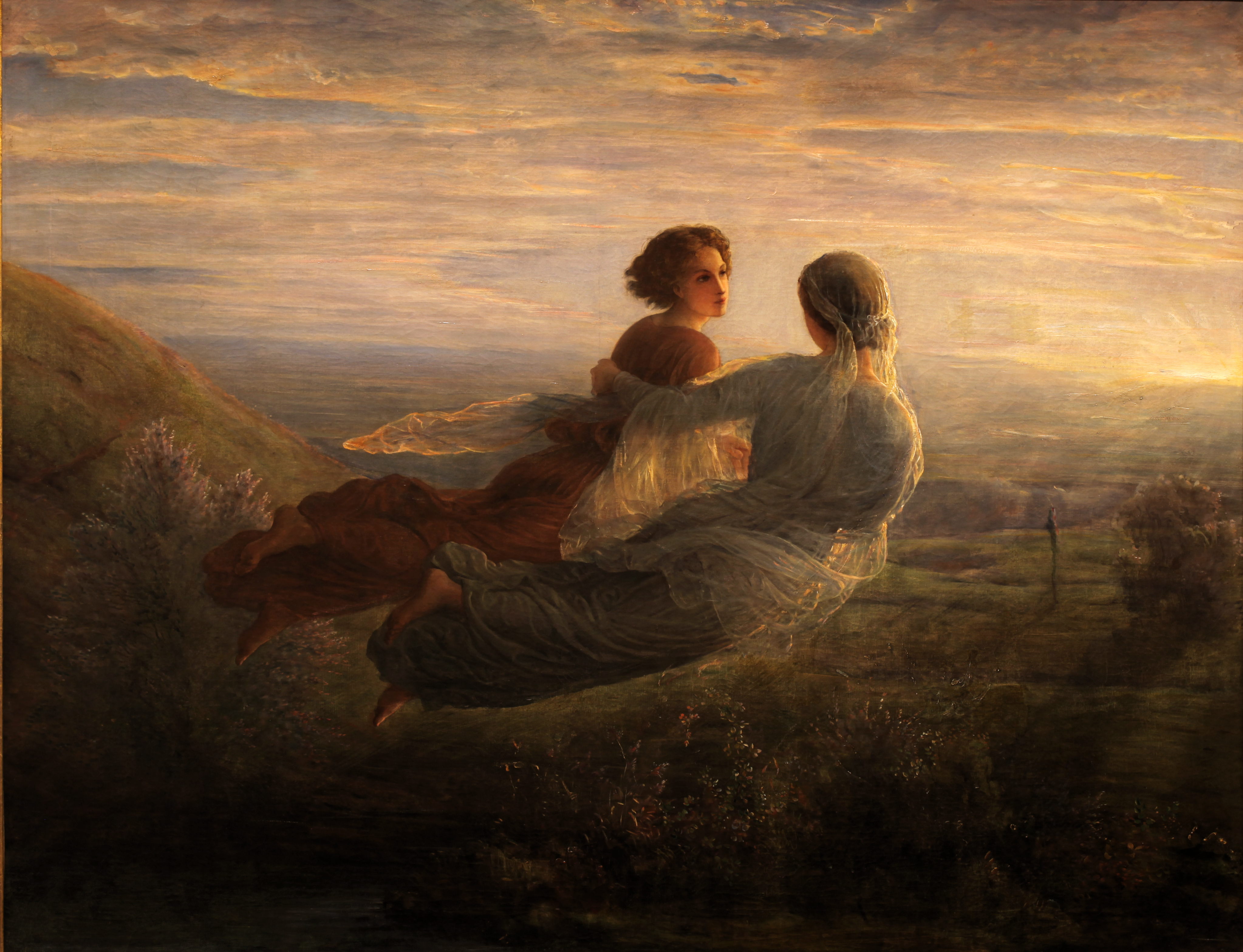
The Flight of the Soul (1850) by Louis Janmot


The Ultimate Journey

by David Jay Brown

In 2008, Swiss psychiatrist Peter Gasser, M.D., became the first medical researcher in the world to obtain government approval to do therapeutic research with LSD. This was the first government-approved LSD study since Stanislav Grof was forced to shut down his research in 1972. Gasser’s LSD/end-of-life anxiety study was sponsored by MAPS.

David: Can you talk a little about how you started doing LSD research, and what it feels like to be the first researcher to receive government approval to do human studies with LSD in thirty-five years?

Peter: In January, 2006–around the time that we held the symposium for Albert Hofmann’s 100th birthday celebration–Rick Doblin and I were walking through the snowy Swiss mountains. While we were walking, Rick said that he thought that it would be great to do research with LSD again, as MAPS had just successfully launched studies with MDMA. After speaking with Rick, I began the process of gaining approval and meeting all the requirements. Getting a license to work with LSD felt like a great honor. It also filled me with a sense of hope, as this means the end of a thirty-five year Ice Age, where all therapeutic research with LSD was totally blocked.

David: What have you learned from Stanislav Grof’s work that helps you conduct your own research?

Peter: When some friends of mine discovered that I would be working with people who were seriously ill, or possibly dying, they gave me a warning. They told me that they thought that this would be too heavy of an emotional burden for me. However, one friend also recommended that I read Stan Grof’s book The Ultimate Journey, which I wasn’t familiar with at the time. Grof’s book taught me to have an open, natural, and interested attitude towards the patients in this study. At that time I had no special training in psycho-oncology [the psychological aspects of cancer], although I had had some experience over the years working with people suffering from life-threatening diseases.

From Grof’s book The Ultimate Journey, I learned that the issues that people faced in his studies were basically the same issues of our common human condition, only in a different intensity and priority. Grof’s book is a rich treasure chest, filled with cultural, historical, philosophical, and religious links that help us to understand the individual psychological process. Like Carl Gustav Jung, Grof is an author with an extremely broad background of knowledge about the history of mankind, in all it’s shapes. He is capable of linking the individual process with the collective process–which may be a great comfort and relief, especially for dying people.

David: What kind of process and struggles did you have to go through to get your LSD study approved?

Peter: During the approval process for the study, there were two critical questions that needed to be addressed. The first one was: Is it possible to convince the Ethics Committee that the potential risk of LSD-assisted psychotherapy is not higher than in other drug research studies, and that the potential benefits that could be gained from this study make it worth doing? As you can imagine, the answer to this questions can’t be obtained with any kind of mathematical precision, and rather depends upon the attitudes and prejudices of the members of the committee. Ethical decisions are always decisions of personal judgment, even if they rely on a clear and rational decision process. Fortunately, the Ethics Committee was able to discuss the question of LSD-assisted therapy in an open manner, and after much discussion, finally, it was decided that yes, such work could be done.

The second question was: Will the authorities at the Ministry of Health be influenced by political processes that might inhibit an approval of our study? It was satisfying to learn that their work was based on legal, ethical, and scientific requirements. I am convinced that Kairos, the Greek God of the opportune moment, was lending a hand, as something that brings together and orchestrates so many factors, and results in a success like this, must have played a role. It was greatly satisfying for everyone involved in this study that Albert Hofmann was still alive when the research began. He witnessed that steps were being taken to help develop LSD into what it only sometimes was, a medicine.

David: Can you share an anecdote or two from your studies, and talk a little about how your subjects are responding to the LSD-assisted psychotherapy?

Peter: Since we have a placebo-controlled design–and because of the obvious inherent difficulties involved with giving inactive placebos to subjects in psychedelic drug studies–the placebo patients also receive a very low dose of the active drug, which is 20 micrograms of LSD. Albert Hofmann said that he was convinced that even a low dose of 20 micrograms was enough to create a psychic effect in people–and he was right. One patient (who received placebo) reported that he had a very realistic impression that the floor of the room we were in opened up and the devil appeared. Although this scene was quite short, it was very naturalistic.

Of course, the 200 microgram verum dose that the experimental subjects get is much more powerful and longer lasting. I was very touched when one subject, a 57 years old man suffering from metastatic gastric cancer, reported his LSD session. It was his first session in the study, as well as the first experience with psychedelics in his life. He went out of his body, and had the experience of flying like a bird, which was very fulfilling for him. Then he flew up higher and higher, until he met his dead father. The patient had had a difficult relationship with his father, who withdraw from conflictual situations in the family, leaving the patient alone with his overwhelming mother.

Although his father had died a long time ago, the patient was full of criticism and reproach towards him. However, his encounter on LSD was very different. He felt free. It was just two men meeting at the same level, without any father/son dynamics. The patient loved feeling the closeness, and there was no longer any feeling of building up an inner wall when he thought of him. Later the subject said that he thought that in his process of dying it was very important for him to meet with his father at his place, where the dead people are, and to feel their vicinity without any fear or negative feelings.

David: Have you seen anything in your sessions that influenced your understanding of, or perspective on, death?

Peter: For me, one of the most satisfying aspects of my work in this study comes from my encounter with the patients. People who are going to die automatically put more emphasis on the “here and now.” They search and long for intensity and open awareness right now, not in some distant future which might not exist. This is what makes working with these people so rich.

David: What sort of promise do you see for the future of LSD research?

Peter: My mission is to show that LSD-assisted psychotherapy is safe and effective, so that we can plan further studies based on that result. This is not something new for insiders, but it would be new to much of the world. I absolutely believe that LSD has broad potential for healing and relief.​

https://www.maps.org/news-letters/v20n1/v20n1-42to43.pdf
 
Portal_of_the_Sun%2C_Pfeiffer_Beach%2C_Big_Sur%2C_California.jpg


Can psilocybin reduce fear of death in terminal cancer patients?

Reality Sandwich | 5 Jan 2022

Psilocybin, an active ingredient in magic mushrooms, has been a prodigious interest in the US with several clinical trials on its effectiveness to treat and reduce symptoms of depression, anxiety, and other mood disorders. The results from these clinical trials have been impeccable, and a possible breakthrough treatment for various ailments in the pharmaceutical industry. People all over the world are having mystical experiences and discovering some deep truths that perhaps, couldn’t have been grasped before. The inherent possibilities that psilocybin provides are beyond scientific understanding, and still, a discovery to be deliberately studied.

Does the magical ingredient, psilocybin, have the ability to reduce fear in cancer patients? What can we learn from these clinical trials?

Benefits of psilocybin

With the number of clinical trials, personal breakthroughs, and mushroom retreats claiming psilocybin’s positive benefits to treat many ailments to humanities suffering — the benefits are becoming boundless. After a psilocybin trip, many have reported feeling personal freedoms like never before, positive shifts to their personalities, and more connected to others. Folks seeking treatment for substance abuse suddenly stopped harmful habitual patterns and discovered healthier alternatives for themselves through just one dose. During these spiritual experiences and breakthroughs, people become conscious of the unconscious helping them understand their triggers, habits, and toxicities.

Psilocybin can also help reduce fear, anxiety, and depression in many people suffering from traumatic events, or existential fear. Through a psychedelic experience, brain cells are stimulated, and new brain cells are regenerated: this is called neuroplasticity. Neuroplasticity gives people the ability to expand the mind into new possibilities, and help with mental cognition such as learning, relearning, and memorization.

“The science behind psilocybin treating depression is, depressed individuals typically have overactive medial prefrontal cortex regions of the brain, and psilocybin eases this and makes the brain function normally here."

Despite its harmlessness, amazing medical potential, and ability to produce phenomenal spiritual/mystical experiences, governments across the world have nearly all banned Psilocybin Mushrooms. Dangerous pharmaceutical pills can’t compete with the toxic cell purging benefits of cannabis and the positive mental state that shrooming promotes.” the Third Monk.

Psilocybin's effects on cancer patients

The psychoactive compound, psilocybin, paired with psychotherapy is the new propitious alternative for hundreds of thousands of cancer patients suffering from severe existential dread. Cancer is the world’s 2nd leading cause of death — about 10 million people die each year. After the psilocybin trials, cancer patients reported remarkably positive results — such as connection, self-acceptance, and a deeper meaning to life. When describing these coruscating encounters, some patients were brought to tears, claiming it to be one of the most personally meaningful and spiritually significant experiences of their lives. Breakthroughs that, perhaps, take years to attain happened within hours.

“It was very surprising and very moving to see somebody terminally ill with cancer feeling like their life is over, scared out of their mind, disconnected from family and friends and their spirituality to suddenly just be out of that terrible place and feeling so much better.” - Stephen Ross, associate professor and psychiatry researcher at NYU

Clinical trials

Some of the first clinical trials began in 1964 — during these trials 341 cancer patients reported that psychedelic-assisted therapy has the potential to improve cancer-related depression, anxiety, and existential dread. To this day, clinical trials continue to prove their ability and potential for treatment on various illnesses. A study done at NYU Langone Perlmutter Cancer Center had women aged 22-75 who were diagnosed with severe anxiety and depression due to their disease, consumed one dose of psilocybin. They worked closely with trained therapists, psychologists, and nurses who evaluated all side effects.

“Our study showed that psilocybin facilitated experiences that drove reductions in psychological distress,” says Bossis. “And if it’s true for cancer care, then it could apply to other stressful medical conditions.” Anthony Bossis, Ph.D., a clinical assistant professor of psychiatry at NYU Langone.

After the clinical trials, 80 percent of participants reported severe reductions in anxiety, depression, and fear of death. After one single dose, the spiritual breakthroughs and after-effects lasted years — participants reported feeling more connected to themselves thus those around them, higher energy levels, and more in love with life.

“Adding to evidence dating back as early as the 1950s, our findings strongly suggest that psilocybin therapy is a promising means of improving the emotional, psychological, and spiritual wellbeing of patients with life-threatening cancer”

“This approach has the potential to produce a paradigm shift in the psychological and existential care of patients with cancer, especially those with a terminal illness.”
says the 2016 parent study’s lead investigator, Stephen Ross, MD, an associate professor in the Department of Psychiatry at NYU Langone Health.

What’s next?

Clinical trials are still underway within the U.S for depression, emotional distress, and anxiety which can be beneficial for cancer patients. Time, money, and recruitment are postponing FDA’s approval on therapy. FDA approval for psilocybin-assisted therapy can open many doors within psychiatry as cancer affects about 40% of the globe, which can cause many people to develop serious mental distress.

“I feel like there’s needless suffering going on right now where people could be helped.”, Inverse

Unfortunately, there are folks out there that don’t have time. FDA regulations are imperative and necessary to assist in the reduction of suffering, as so many clinical trials have proven.

“It seems really odd that we’ve legalized the ability to end your life for pain and suffering, but we won’t let people access other therapies that are obviously far less invasive than ending one’s life for pain and suffering,” Verbora tells Inverse.​
 
Last edited:
soul_ship-14408f7e-c7ce-436a-a263-98789d4ae5e6.jpg


Swiss LSD study yields incredible results for terminally ill patients

by Victoria Kim | MIC

The Journal of Nervous and Mental Disease published the results of an innovative study measuring LSD's effects on end-of-life anxiety. The study marks the first controlled trial of LSD in over 40 years. It tested the use of LSD as a complement to talk therapy for a group of 12 people nearing the end of life.

After about two months of weekly therapy, the eight participants who received full doses of LSD improved by about 20% on standard measures of anxiety. The four subjects who took a much weaker dose got worse. Overall, after following up with the group a year after the trial's conclusion, Dr. Peter Gasser, who conducted the therapy, said the patients anxiety went down and stayed down.

The drug caused no serious side effects other than temporary and therapeutically valuable times of distress. One of the subjects, a 50-year-old Austrian social worker named Peter, told the New York Times that he was worried about having a bad trip, but ended up having a mystical experience. "I had what you would call a mystical experience, I guess, lasting for some time, and the major part was pure distress at all these memories I had successfully forgotten for decades," he said. "These painful feelings, regrets, this fear of death. I remember feeling very cold for a long time. I was shivering, even though I was sweating. It was a mental coldness, I think, a memory of neglect."

One 67-year-old patient said he met his dead, estranged father somewhere out in the cosmos, who nodded to him in approval.

Switzerland is known for their progressive, harm reduction approach to drug policy. Their national heroin treatment program, for example, provides drug addicts with free methadone and clean needles. This policy has seen reduced deaths and crime rates, which is a marked turnaround from what was once the site of Zurich's infamous Platzspitz park, dubbed needle park in the 1980s.

It's been just over 70 years since Swiss chemist Albert Hofmann discovered LSD's mind-altering qualities when he absorbed some through his fingertips. But research about the drugs therapeutic qualities are just making a resurgence, along with mushrooms and ecstasy. Since the Controlled Substances Act of 1970 (CSA) came into effect 44 years ago, these psychedelics were labeled as Schedule I drugs, which are defined as having no medical benefit and a high potential for abuse, making them more difficult to conduct studies with. Marijuana is also considered a Schedule I drug.

Before the CSA, close to 700 studies took place, and the research suggested that psychedelics offered significant benefits in treating alcoholism, easing end-of-life anxiety and treating many complex psychiatric illness such as obsessive-compulsive disorder.

The scientific community has researched psychedelics for the treatment of PTSD, alcoholism and drug addictions, and their findings have been promising. The Johns Hopkins School of Medicine, for example, found that psilocybin, an active component of magic mushrooms that trigger transformative spiritual states, may have lasting medical and spiritual benefits when taken in the right dosage. The study researchers were able to reliably induce transcendental experiences in subjects. These experiences offered long-lasting psychological growth and helped people find peace in their lives without negative side effects.

With Switzerlands progressive approach to drug policy, scientists are able to conduct studies with drugs that are still very controversial in the U.S. While countries like Switzerland and Israel are ahead of the game in propelling research of the medical benefits of psychedelics, the U.S. is falling behind by limiting research of these substances.​

https://mic.com/articles/84383/swis...esults-for-terminally-ill-patients#.5Ex7THR9S
 
Interesting stuff. I absolutely believe in peoples "right to choose" .... any drug (anything involving they body) at any point in life after 25 maybe (yea id raise the drinking and pot buying age if anything -- maybe less pot but to be unbias I'll say all -- frontal lobes fully developed)

Of course I am also against drafting and really recruiting under 25. You should get a developed brain before you are asked to throw your life away for any cause IMO.
 
Last edited:
Dreamland.jpg


How psychedelics help you “die before you die”

by Derek Beres | BIG THINK

The heart of the religious ritual is mysticism, argues Brian Muraresku in "The Immortality Key."

After a 20-year ban on clinical psychedelics research, the U.S. government approved trials on DMT in 1990. At first, Rick Strassman, a clinical associate professor of psychiatry at the University of New Mexico School of Medicine, only wanted to study the physiological strain of injecting DMT: heart rate, blood pressure, and so on. Given that psychedelics had been contentiously demonized for a generation, he wondered if physical consequences were as dangerous as advertised.

Over the next five years, Strassman administered 400 doses of N,N-dimethyltryptamine (DMT) to over 50 volunteers. It turned out that DMT, the fast-acting psychoactive ingredient in ayahuasca—the “soul vine” persists for hours only when blended with MAOIs to slow the breakdown of enzymes in your gut—has few negative effects. A longtime Zen Buddhist practitioner, Strassman noticed something else going on when over half of participants reported having profound religious experiences.

They were dying before dying.

Well, some of them were being visited by alien creatures, a phenomenon MAPS founder Rick Doblin possibly attributes to the “setting” part of “set and setting”: tripping out in a sterile hospital room surrounded by clinicians in white lab coats certainly felt foreign, perhaps otherworldly. Other volunteers saw a beautiful light at the end of a tunnel and returned—a sensation noted in the ayahuasca literature for as long as we have records.

DMT is chemically related to serotonin and melatonin. The latter hormone is produced by the pineal gland, which is symbolically called the “third eye”—Descartes famously called it the “seat of the soul.” Since every mammal that’s been tested (including humans) produce endogenous DMT, could our third eye possibly release this structural analog of tryptamine at death? Is it a coincidence that the pineal gland, according to Strassman, appears in fetuses at 49 days, the exact duration of the “passage” of souls described in The Tibetan Book of the Dead?

Strassman admits this is speculation. The anecdotes are irrefutable, however. His clinical work led to Charles Grob’s government-approved research on ayahuasca and MDMA in the 1990s, which opened the door to Johns Hopkins researchers studying psilocybin to treat the existential dread hospice patients encounter, which opened the floodgates to the psychedelic revolution occurring today.

That initial Johns Hopkins study, which found that psilocybin (structurally similar to DMT) eases distress by helping initiates die before they die, helped give form to Brian Muraresku’s 12-year journey while writing his debut book, “The Immortality Key: The Secret History of the Religion With No Name.”

Muraresku has been getting a lot of press since the book’s publication, in part boosted by his appearance on Joe Rogan’s podcast. The classicist speculates that the Christian Eucharist is rooted in the Eleusinian Mysteries, which may have involved the ceremonial ingestion of wine spiked with psychedelic ingredients. The idea of a psychedelic Christianity is not new, but Muraresku brings a detailed level of scholarship and compassion to the topic.

As he told me in a recent interview, the “immortality key” is not psychedelics, but the concept of dying before dying. He opens his book with a Greek inscription: “If you die before you die / You won’t die when you die.” Muraresku, a devout Catholic raised in the Jesuit tradition, kicks off the discussion with an atheist from the Johns Hopkins trial. Despite her lack of faith, she felt an “overwhelming, all-encompassing love” that helped her deal with the inevitable consequences of mixed-cell ovarian cancer—really, the inevitable consequences of being an animal bound to die.

The Hopkins study went mainstream when Michael Pollan wrote about it in the New Yorker. The results were stunning: 70 percent of participants felt a single dose of psilocybin produced the most meaningful (or among the top five) experience of their lives. Interestingly, the same result occurred after the famous Marsh Chapel experiment, when Timothy Leary and friends dosed Harvard Divinity School grad students with psilocybin; a quarter-century later, all but one rated the event in their top five.

Not only do you die before you die while under the influence of psychedelics, but you also gain a new perspective on life. The ego death that occurs during the ritual changes their orientation about existence. And what good is a religious experience if it can’t be applied to living?

psychedelic.jpg


As Muraresku told me,

“Psychedelics is one tool in the Spiritual Toolkit. What I mean by ‘the key’ is in Greek, which is preserved at St. Paul’s monastery: if you die before you die, you won’t die when you die. That’s the actual key. It’s not psychedelics, it’s not drugs; it’s this concept of navigating the liminal space between what you and I are doing right now, and dreaming and death. In that state, the mystics and sages tell us, is the potential to grasp a very different view of reality.”

Muraresku taps into a growing consensus that humans are “wired” for mystical experiences. He points to lead Johns Hopkins researcher, Roland Griffiths, who believes that mysticism is included in our operating system at birth. You just have to turn it on. While the effects of psychedelics can be replicated through the more arduous path of meditation, in the right set and setting anyone can tap into mystical states of consciousness. Psychedelics provide a shortcut to these states.

Western religious leaders, especially those in Christianity and Islam, treat their prophets as standalone figures. The best you can hope for is being granted access to some special place after you die. Gnostics and Sufis—sects within those faiths that attempt to replicate their prophet’s mysticism—are considered outcasts by mainstream religious figures. In some circumstances, they’re outlawed, threatened, or even killed for their supposed heresy.

Sufis might spin for hours in ecstatic rapture to reach this mystical state, but as Muraresku’s extensive research shows, psychedelics also tap into this “secret” knowledge that he believes to be at the heart of Christian—and if we extrapolate, religious—tradition. And to him, this is the essence of the religion, not a byproduct of the real faith.

“I didn’t write this book to be anti-organized religion. In some cases, it’s the exact opposite. In the intro, I mentioned Brother David Steindl-Rast, a Benedictine monk who is a hero of mine. He talks about the tension between mystics and the dogma and doctrine of organized faith. I don’t think you can have one without the other. The balance, as Brother David says, is to rediscover that original visionary power and live in it as a lived experience. This is what Joseph Campbell says of religion being a lived experience. We’re talking about emotional potential. That’s how the great anthropologist Clifford Geertz defines religion: these powerful, pervasive, long-lasting moods and motivations. That only happens when you’re talking about something that gets inside of people’s bones. That’s what the mystical experience is; it’s how these religions are born. Brother David says it’s virtually impossible to start a religion without mystical experience, like Moses in the burning bush, Paul on the road to Damascus, or Peter, in Acts, caught up in a trance.”

Campbell’s conversation with Bill Moyers in “The Power of Myth” nicely ties together this idea:

“People say that what we’re all seeking is a meaning for life. I don’t think that’s what we’re really seeking. I think that what we’re seeking is an experience of being alive, so that our life experiences on the purely physical plane will have resonances with our own innermost being and reality, so that we actually feel the rapture of being alive.”

The mythologist also advocated for a reformation of religion every generation so that the faith speaks to the times. This is effectively what Muraresku advocates for in “The Immortality Key”: an honest conversation regarding the historical circumstances that birthed the world’s most-followed religion in the hopes of applying the foundational lessons to our current reality. If that means a psychedelic ritual that shows you how to die before you die so that you may better know how to live, then it’s time to rethink the role of the sacrament.

Mysticism is a universal phenomenon. The “eternal return” Mircea Eliade wrote about has been experienced throughout history in disparate regions of the world. As Strassman’s and Griffiths’s work shows, we retain the capability of dying before dying. In fact, current research on psilocybin, LSD, iboga, DMT, and ayahuasca show that these substances are helping people gain a perspective of their lives, be it in depression treatment, addiction recovery, or easing the pain of hospice care. A little mysticism goes a long way.

Let’s move beyond this notion that mysticism only applies to a chosen few. In fact, let’s reconsider the role of consciousness in general. Every religion has its own take on what happens after we die. Yet we have tools at our disposal to show us how to exist now: a living religion that speaks to the entire planet.​
 
Top